
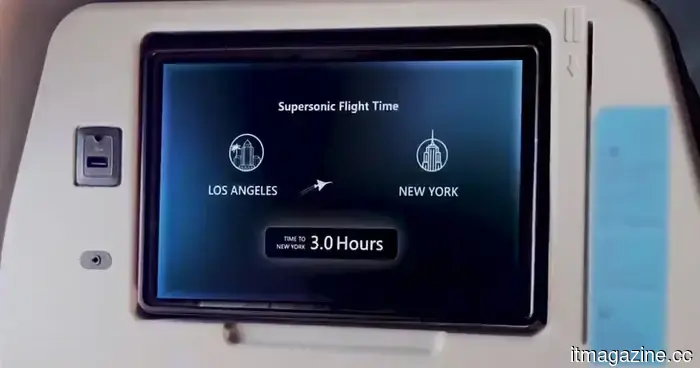
The FAA has approved Mach flights, which have the potential to reduce travel times by nearly 50%.
New regulations have the potential to significantly shorten travel times while managing sonic booms effectively.
Secretary Sean Duffy / The White House
The aspiration of flying faster than sound has just made a significant advancement. The Federal Aviation Administration (FAA) has introduced a proposed regulation that would establish the initial noise-based certification criteria for a new class of supersonic passenger aircraft, eliminating a major regulatory barrier to commercial flights exceeding Mach 1.
The objective is straightforward: travel quicker without the boom.
For many years, supersonic flights over land have faced stringent limitations due to the disruptive sonic boom that occurs when aircraft exceed the sound barrier. The FAA now states that progress in aerospace engineering, materials science, and noise reduction technologies means that future aircraft might operate at supersonic speeds without generating the conventional sonic boom at ground level. This development allows regulators to reconsider rules that have been in place since the 1970s.
🚨COMING SOON: SUPERSONIC FLIGHTS ✈️The @FAANews is paving the way for supersonic technology to take to the skies at MACH 1 SPEEDS ‼️Air travel is about to become quicker… Welcome to the Golden Age of Travel 👇 pic.twitter.com/GK59TPQknR— Secretary Sean Duffy (@SecDuffy) June 30, 2026
Additionally, the agency plans to unveil a second set of regulations later this year that will address noise during takeoff and landing, providing manufacturers with a clearer certification pathway for upcoming supersonic aircraft. The FAA aims to finalize both sets of regulations by mid-2027.
Flights could eventually be halved in duration.
If these aircraft achieve commercial viability, the benefits could be substantial. The FAA points out that Mach 1 aircraft can fly at approximately 770 mph or faster, compared to the cruising speed of today's commercial airliners, which is around 550–600 mph. This implies that journeys currently taking six hours could potentially be completed in about three, significantly reducing travel times for both passengers and cargo.
Nils Nedel / Unsplash
It is important to clarify that this announcement does not mark the debut of a new airplane, nor does it mean that supersonic flights will be available immediately. What the FAA has introduced is the regulatory framework necessary to enable such flights. If manufacturers can adhere to these new safety and noise standards, the next generation of air travel could appear and sound quite different from today's skies.
Varun is a seasoned technology journalist and editor with over eight years of experience in consumer tech media. His work encompasses…
NotebookLM’s 60-second videos transformed my doomscrolling habit into something beneficial.
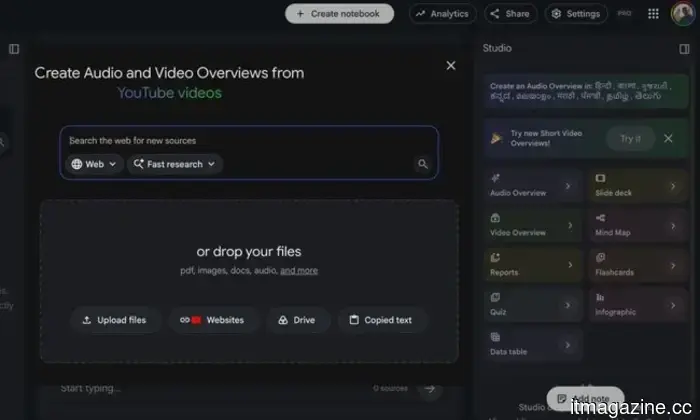
Short videos have become ubiquitous across nearly every app we use. You scroll through them on X, lose track of time on Instagram, watch them on YouTube, and now even Netflix features its own bite-sized feed. Therefore, when I learned that Google was integrating this format into NotebookLM, it felt both unexpected and entirely foreseeable. Google has introduced Short Video Overviews for NotebookLM, a feature that converts complex documents and intricate sources into 60-second vertical videos that summarize key concepts. Instead of poring over pages of notes, you get a quick visual guide to the idea you’re trying to grasp.
Read more
You can now create images with Gemini’s memory without any cost.
Google has made one of Gemini’s most intriguing AI capabilities much easier to access. The company is rolling out its personalized image generation feature to eligible U.S. users at no charge, removing the paywall that had previously restricted it to Gemini's premium tiers. Powered by Google’s Nano Banana image model, this feature goes beyond simply creating attractive images; it utilizes Gemini’s understanding of you, allowing the AI-generated images to feel remarkably personal.
Read more
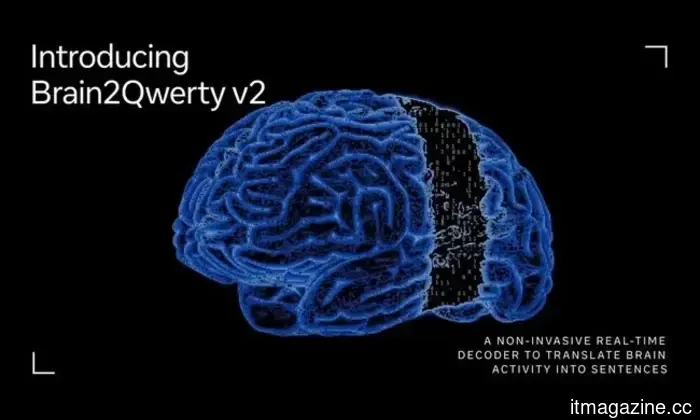
Meta’s Brain2Qwerty v2 converts thoughts into text, without requiring brain implants.
Artificial intelligence is increasingly adept at interpreting human communication. Now, Meta aims to extend this understanding to our brains. The company has introduced Brain2Qwerty v2, an enhanced AI system capable of converting brain activity into complete sentences, all without the need for implants or surgical procedures. The objective isn't to enable mind reading for everyone; instead, it’s to assist individuals who have lost the capacity to speak in regaining their ability to communicate.
How a brain-powered keyboard operates.
Read more


Other articles
 BMW unveils the revamped X5 featuring petrol, hybrid, electric, and hydrogen variants.
BMW has unveiled the completely redesigned X5, featuring petrol, diesel, plug-in hybrid, electric, and upcoming hydrogen powertrains, signifying the most significant update in the SUV's history.
BMW unveils the revamped X5 featuring petrol, hybrid, electric, and hydrogen variants.
BMW has unveiled the completely redesigned X5, featuring petrol, diesel, plug-in hybrid, electric, and upcoming hydrogen powertrains, signifying the most significant update in the SUV's history.
 The captive portal economy: how hotel WiFi login pages turned into both a security risk and a discreet advertising medium.
KeepSolid CEO Vasyl Ivanov describes how hotel WiFi captive portals have changed into a security risk as well as a programmatic advertising channel, and what actions VPN clients should take in response.
The captive portal economy: how hotel WiFi login pages turned into both a security risk and a discreet advertising medium.
KeepSolid CEO Vasyl Ivanov describes how hotel WiFi captive portals have changed into a security risk as well as a programmatic advertising channel, and what actions VPN clients should take in response.
 Anthropic introduces Claude Sonnet 5, a more affordable agent model.
Claude Sonnet 5 offers performance similar to Opus 4.8 at a mid-range price, starting from $2 to $10 per million tokens until August 31. Here are the new features.
Anthropic introduces Claude Sonnet 5, a more affordable agent model.
Claude Sonnet 5 offers performance similar to Opus 4.8 at a mid-range price, starting from $2 to $10 per million tokens until August 31. Here are the new features.
 Claude's Sonnet 5 is designed to accomplish more independently while being more affordable for you.
Claude Sonnet 5 reduces the difference with Anthropic's leading Opus 4.8, achieving similar results on essential benchmarks while being notably cheaper per token.
Claude's Sonnet 5 is designed to accomplish more independently while being more affordable for you.
Claude Sonnet 5 reduces the difference with Anthropic's leading Opus 4.8, achieving similar results on essential benchmarks while being notably cheaper per token.
 TikTok resolves its second addiction lawsuit, leaving Meta and Snap to stand trial by themselves.
TikTok has arrived at a confidential agreement with a Florida teenager prior to a July trial, following YouTube in the second bellwether addiction lawsuit.
TikTok resolves its second addiction lawsuit, leaving Meta and Snap to stand trial by themselves.
TikTok has arrived at a confidential agreement with a Florida teenager prior to a July trial, following YouTube in the second bellwether addiction lawsuit.
 Anthropic has introduced Claude Sonnet 5, an economical agent model.
Claude Sonnet 5 offers performance similar to Opus 4.8 at a mid-range price, starting at $2/$10 per million tokens until August 31. Here are the new updates.
Anthropic has introduced Claude Sonnet 5, an economical agent model.
Claude Sonnet 5 offers performance similar to Opus 4.8 at a mid-range price, starting at $2/$10 per million tokens until August 31. Here are the new updates.
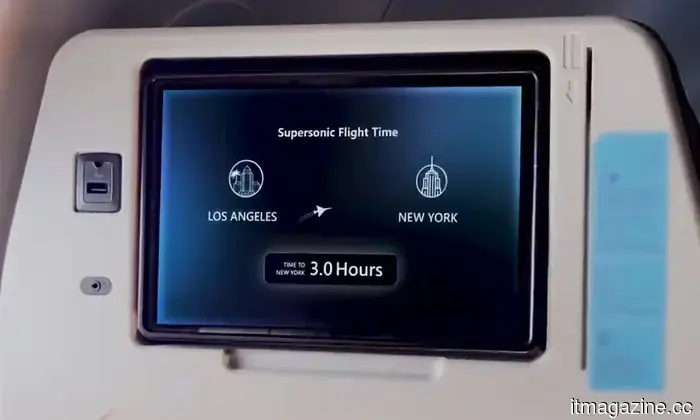
The FAA has approved Mach flights, which have the potential to reduce travel times by nearly 50%.
The FAA has proposed new regulations to allow supersonic passenger flights in the U.S., creating opportunities for aircraft that could significantly reduce travel durations.