
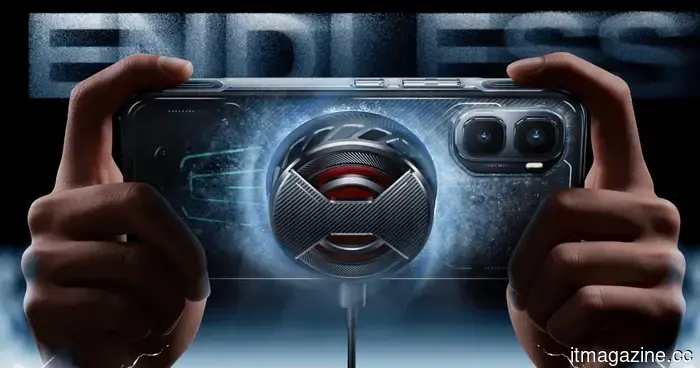
Infinix revealed the details about its liquid-cooled phone, indicating that there is more to it than what is initially apparent.
I’ve spent many years observing gaming phones that make grand promises but fall short when it comes to their performance. Consequently, I've learned to expect a disclaimer every single time. The processor is fast, the display boasts an impressive refresh rate, but then, just twenty minutes into a ranked match, the experience begins to deteriorate, heat accumulates, and frame output drops significantly. Throttling is practically a universal issue in mobile gaming.
So, when Infinix invited me to meet with the product manager behind the latest model in its GT Series, I entered the conversation with a crucial question that truly mattered to me. Has a brand finally designed a phone with the heat issue in mind instead of sidestepping it? As it turns out, this is the central theme of the GT 50 Pro, and credit to the team for not missing the point.
Starting Hot
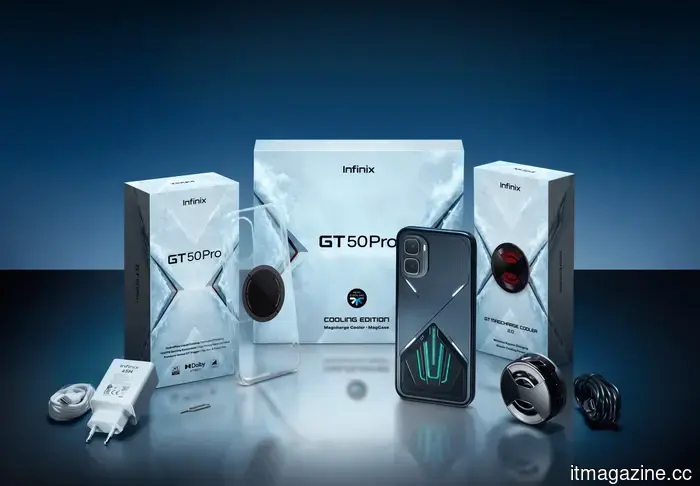
The standout feature of the Infinix GT 50 Pro is its HydroFlow Liquid Cooling system. It’s the main accomplishment, and the team takes pride in engineering what they claim is the industry’s first system offering 100% coverage of core heat sources. While most phones cool just a specific area and hope the rest remains manageable, Infinix takes an active circulation approach. When I inquired about the engineering challenges involved in fitting this system into a slim chassis, the manager described it as the boldest endeavor the series has undertaken.
“The integration of the HydroFlow Liquid Cooling system represents our most ambitious engineering achievement in the Infinix GT Series thus far,” the Infinix GT Series Product Manager stated. I was impressed that they considered it a design challenge rather than a marketing gimmick. They noted that a powerful chipset can throttle after only fifteen or twenty minutes of intense gaming, forcing users to choose between visual quality and frame stability.
Nobody wants to make that choice during a match. I don’t want to deal with that limitation either; however, it’s a reality with mainstream phones. The remarkable aspect of this phone is how Infinix has prioritized cooling in its design. Rather than treating the thermal system as an extra feature added later, the team designed the chassis around it from the outset. It’s a bold assertion, and when I pressed for proof, I observed the engineering backing it up effectively.
HydroFlow Liquid Cooling Architecture is the bold secret
Though HydroFlow may sound like an extravagant term, it accurately reflects the technology at play. Essentially, it’s a liquid mechanism that dissipates heat, helping the phone maintain a cool temperature. The conversation turned technical at this juncture, which I appreciated as it provided insight into the thermal engineering involved. Instead of merely cooling a specific area, Infinix employs active circulation.
“The liquid cooling system precisely targets and mitigates thermal stress right at the source.”
At the core of the system is a piezoelectric-driven ceramic micro-pump that moves specially formulated coolant at a rate of 6.5ml per minute across a 6,437mm² diaphragm, which they assert is the largest available in the market. The channels transporting the coolant are laser-etched with micron-level precision, allowing heat to be drawn directly from the components generating it.
Over the years, I've encountered numerous brands making cooling claims, but what made this one resonate was the durability data. Infinix shared that they conducted over 720 hours of accelerated aging tests, including demanding scenarios at 75°C and 85% humidity. Under those conditions, the ceramic pump can operate continuously for hours with minimal degradation. They provided a real-world example that resonated with mobile gaming enthusiasts.
“During intense team fights, a sudden performance surge can drive total power consumption to a peak of 9W. Without efficient thermal management, rapid SoC overheating could lead to immediate frame rate drops and severe stuttering,” the Infinix executive explained. “The liquid cooling system precisely targets and mitigates thermal stress right at the source.” In essence, that distinction highlights the difference between bold claims and tangible engineering that users can actually experience.
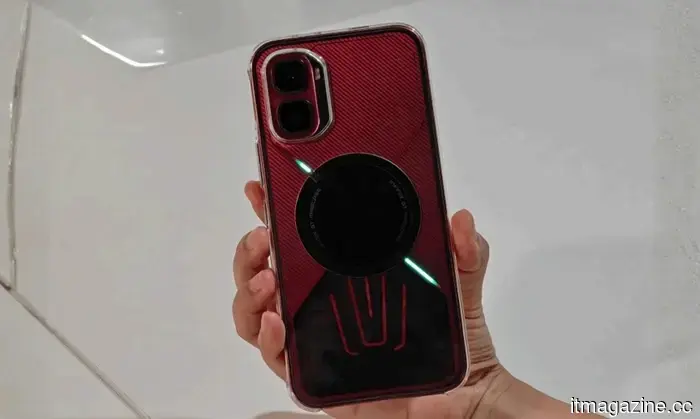
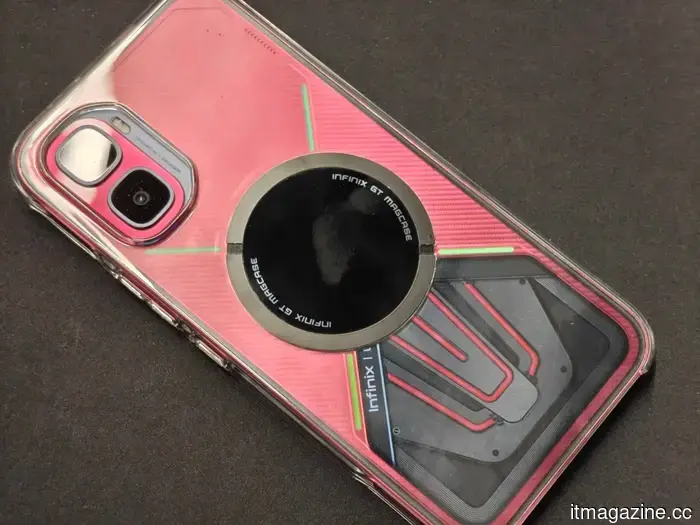
There’s also a showy aspect, which I personally appreciate. Instead of concealing the intricate liquid cooling mechanism, the Infinix GT 50 Pro features a transparent Pipeline Window on the back, allowing users to observe coolant fluid flow in real-time. The design channels a hypercar aesthetic with Kevlar and carbon-fiber-inspired textures and aerodynamic contours, reportedly inspired by hypercar wind tunnel tests to enhance grip during extended gaming sessions. When I commented on the bold design, Infinix pointed out that the stylish evolution from the GT 10 Pro was intentional, moving away from the overt “gamer” look towards a more sophisticated performance machine.
The inside look
It’s obvious that cooling is fundamental for any performance-focused phone, and the Infinix GT 50 Pro exemplifies that. However, a phone also requires the proper silicon to support the excitement. Infinix’s latest device is powered by the MediaTek Dimensity


Other articles
 WhatsApp is finally introducing usernames, so make sure to claim yours now.
WhatsApp usernames will be introduced later this year, but reservations are currently available, and with three billion users on the platform, the desirable names are getting taken quickly.
WhatsApp is finally introducing usernames, so make sure to claim yours now.
WhatsApp usernames will be introduced later this year, but reservations are currently available, and with three billion users on the platform, the desirable names are getting taken quickly.
 XChat has finally arrived on Android, offering encrypted messaging features beyond X.
X has officially released XChat for Android, introducing its standalone encrypted messaging application to Google's mobile platform.
Developers believe that Microsoft's three-year support window for .NET is insufficient for enterprises.
A GitHub issue contends that Microsoft’s .NET LTS support period is insufficient for enterprise upgrade timelines, leading to 50% of deployments using unsupported versions.
XChat has finally arrived on Android, offering encrypted messaging features beyond X.
X has officially released XChat for Android, introducing its standalone encrypted messaging application to Google's mobile platform.
Developers believe that Microsoft's three-year support window for .NET is insufficient for enterprises.
A GitHub issue contends that Microsoft’s .NET LTS support period is insufficient for enterprise upgrade timelines, leading to 50% of deployments using unsupported versions.
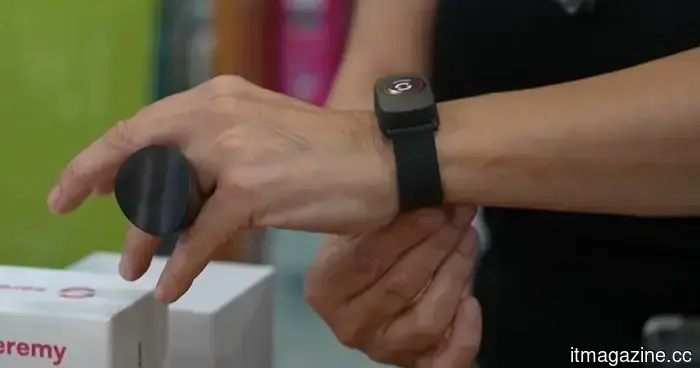 Wearable devices are assisting the elderly as extreme heat sweeps through Europe.
Rome is utilizing smart bracelets to keep track of elderly citizens amid Europe’s heatwave, transforming wearable technology into a remote safety measure for those at risk.
Wearable devices are assisting the elderly as extreme heat sweeps through Europe.
Rome is utilizing smart bracelets to keep track of elderly citizens amid Europe’s heatwave, transforming wearable technology into a remote safety measure for those at risk.
 Google has made the personalized image generation feature of Gemini available for free to all users in the United States.
Google is making Gemini's Nano Banana image generation available to free-tier users in the US, eliminating the paywall for AI images generated using data from Gmail, Photos, and Search.
Google has made the personalized image generation feature of Gemini available for free to all users in the United States.
Google is making Gemini's Nano Banana image generation available to free-tier users in the US, eliminating the paywall for AI images generated using data from Gmail, Photos, and Search.
 Amazon is exploring more affordable AI options as Anthropic transitions to a token-based pricing model.
Amazon is considering OpenAI as an option to replace Claude following a renegotiated contract with Anthropic that will increase expenses due to token-based pricing.
Amazon is exploring more affordable AI options as Anthropic transitions to a token-based pricing model.
Amazon is considering OpenAI as an option to replace Claude following a renegotiated contract with Anthropic that will increase expenses due to token-based pricing.
Infinix revealed the details about its liquid-cooled phone, indicating that there is more to it than what is initially apparent.
For years, I've observed gaming phones consistently make the same claims, only to falter during routine tasks. It's safe to say I've become accustomed to the disclaimers each time. The processor is quick, the display refresh rate boasts impressive numbers, yet, just twenty minutes into a competitive match, the performance begins to deteriorate, overheating…