

Google has made the personalized image generation feature of Gemini available for free to all users in the United States.
TL;DR: Google is now offering Gemini’s Nano Banana image generation for free to all eligible users in the US, rather than limiting it to paid subscribers. This change, announced on Sunday, allows any US user aged 13 or older to generate images based on their Google account data, although editing features still require users to be 18 or older. Previously available only to Plus, Pro, and Ultra subscribers since its launch in April, this feature opens up to a wider audience, as the app had 900 million monthly active users during Google I/O last month.
Utilizing Nano Banana, Google's in-house image generation model, the feature connects to a user's Gmail, Google Photos, YouTube, Search, and other first-party apps through the Personal Intelligence framework. Users can request images that reflect their preferences and context without needing to detail every aspect in their prompts. Google states that opting in for app connections is voluntary, and the AI does not learn from personal data.
Nano Banana was first introduced in April, primarily available to paid subscribers in the US before being expanded to India and Japan. The transition to a free offering eliminates the last barrier between Google's extensive data resources and the millions of Gemini users who previously only had access to text-based personalization. Users on the free tier will receive limited quotas before switching back to the original Nano Banana model, according to Google.
The underlying competitive strategy is evident. ChatGPT has seen increased engagement with its image generation capabilities, while Apple Intelligence integrates on-device AI throughout its iPhone ecosystem. Google’s approach capitalizes on its unique advantage: the vast amount of personal data from Gmail, Photos, Drive, Calendar, Maps, Search, and YouTube.
Combining this data with an effective image generator creates a personalization edge that’s hard for competitors like OpenAI and Apple to duplicate unless they develop or acquire similar data integrations. However, privacy concerns continue to pose challenges. Europe was left out of the initial Personal Intelligence launch and has yet to be included, signaling potential regulatory issues under GDPR and the AI Act. For users who opt in, a "sources" button indicates which personal data was used to create each image.
Eliminating the paywall is part of a larger strategy Google discussed at I/O 2026, where it also revealed the Spark autonomous agent, the Daily Brief morning digest, and a price reduction for the Ultra tier from $250 to $100 per month. The consistent approach appears to be expanding the free tier to increase the user base, followed by upselling power users on enhanced features and higher quotas. Whether personalized AI image generation remains appealing enough to justify the data access it demands will depend on whether users find value in images tailored to their identities, or if the interest wanes after the initial excitement.
Other articles
 Why Quicker Software Is Leading to Slower Issues
The true difficulty begins once the code has been completed. The most noticeable aspect of the AI surge is straightforward to identify. A developer inputs a prompt, and a functional result emerges on the screen. A feature is assembled more swiftly than before, or a product progresses without the similar setbacks that previously characterized initial development. That [...]
Why Quicker Software Is Leading to Slower Issues
The true difficulty begins once the code has been completed. The most noticeable aspect of the AI surge is straightforward to identify. A developer inputs a prompt, and a functional result emerges on the screen. A feature is assembled more swiftly than before, or a product progresses without the similar setbacks that previously characterized initial development. That [...]
 Infinix revealed the details about its liquid-cooled phone, indicating that there is more to it than what is initially apparent.
For years, I've observed gaming phones consistently make the same claims, only to falter during routine tasks. It's safe to say I've become accustomed to the disclaimers each time. The processor is quick, the display refresh rate boasts impressive numbers, yet, just twenty minutes into a competitive match, the performance begins to deteriorate, overheating…
Infinix revealed the details about its liquid-cooled phone, indicating that there is more to it than what is initially apparent.
For years, I've observed gaming phones consistently make the same claims, only to falter during routine tasks. It's safe to say I've become accustomed to the disclaimers each time. The processor is quick, the display refresh rate boasts impressive numbers, yet, just twenty minutes into a competitive match, the performance begins to deteriorate, overheating…
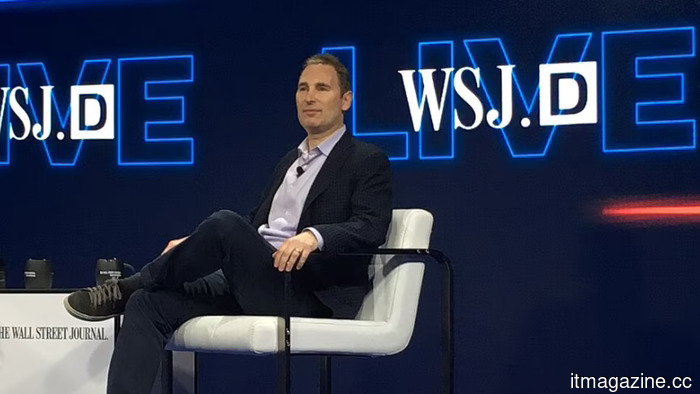 Amazon is exploring more affordable AI options as Anthropic transitions to a token-based pricing model.
Amazon is considering OpenAI as an option to replace Claude following a renegotiated contract with Anthropic that will increase expenses due to token-based pricing.
Amazon is exploring more affordable AI options as Anthropic transitions to a token-based pricing model.
Amazon is considering OpenAI as an option to replace Claude following a renegotiated contract with Anthropic that will increase expenses due to token-based pricing.
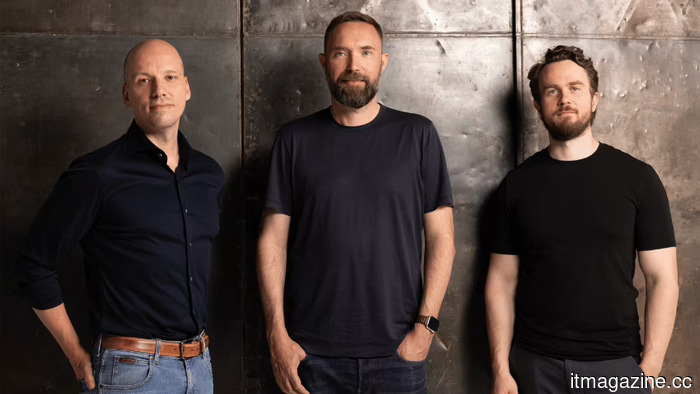 Helsing secures Germany's €580 million combat-cloud contract.
Germany is preparing a €580 million contract with the AI defense company Helsing to develop the CFSN combat-cloud software, which was repurposed from the unsuccessful FCAS fighter project.
Helsing secures Germany's €580 million combat-cloud contract.
Germany is preparing a €580 million contract with the AI defense company Helsing to develop the CFSN combat-cloud software, which was repurposed from the unsuccessful FCAS fighter project.
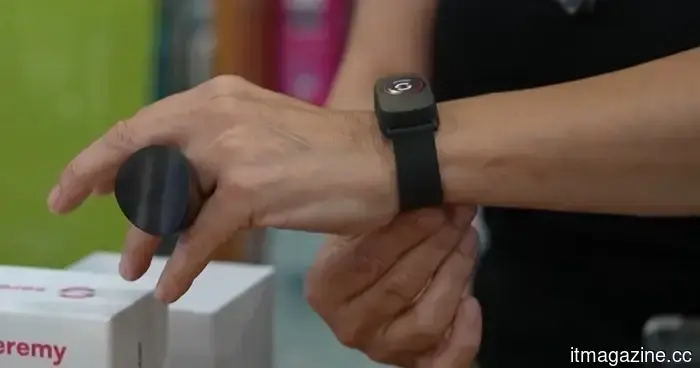 Wearable devices are assisting the elderly as extreme heat engulfs Europe.
Rome is utilizing smart bracelets to keep track of elderly residents amidst Europe's heatwave, transforming wearable technology into a safety net for those in need.
Developers believe that Microsoft's three-year support window for .NET is insufficient for enterprises.
A GitHub issue contends that Microsoft’s .NET LTS support period is insufficient for enterprise upgrade timelines, leading to 50% of deployments using unsupported versions.
Wearable devices are assisting the elderly as extreme heat engulfs Europe.
Rome is utilizing smart bracelets to keep track of elderly residents amidst Europe's heatwave, transforming wearable technology into a safety net for those in need.
Developers believe that Microsoft's three-year support window for .NET is insufficient for enterprises.
A GitHub issue contends that Microsoft’s .NET LTS support period is insufficient for enterprise upgrade timelines, leading to 50% of deployments using unsupported versions.
Google has made the personalized image generation feature of Gemini available for free to all users in the United States.
Google is making Gemini's Nano Banana image generation available to free-tier users in the US, eliminating the paywall for AI images generated using data from Gmail, Photos, and Search.