
Developers believe that Microsoft's three-year support window for .NET is insufficient for enterprises.
Summary: Developers argue that the three-year long-term support (LTS) for .NET is insufficient, with many deployed versions lacking support, while Java offers five years or more. A developer has raised concerns on GitHub about Microsoft's support policy, stating that the three-year timeframe does not accommodate enterprise upgrade cycles. Currently, even-numbered versions receive three years of free support, while odd-numbered ones only get 18 months. The legacy .NET Framework, which has much longer support tied to Windows, is being phased out by the ecosystem.
The primary issue highlighted is that upon the release of a new LTS version, two years of support from the previous version will have already passed, leaving enterprises with about a year to upgrade, which is a tight timeframe even for well-resourced teams. Additionally, the developer mentioned that potential clients tend to be hesitant to adopt software nearing its end-of-life.
Another developer noted that telemetry indicated around 50% of their software versions were running on unsupported versions by Microsoft. They mentioned a preference for the legacy .NET Framework due to its alignment with Windows support cycles, although this is becoming more challenging as libraries drop support for it.
This complaint isn’t new—similar concerns were raised in 2023, to which Microsoft program manager Richard Lander responded, explaining the need to balance support windows with innovation capabilities. Although Microsoft considered extending support periods and providing paid support options, they decided to stick with the existing free plan.
Microsoft's support timeframe is shorter compared to some rivals; for instance, Oracle offers five years of premium support for Java LTS versions, and Python provides five years of security updates for each release. This discrepancy has led to tension for businesses using .NET that operate on different upgrade schedules than Microsoft’s annual releases.
This issue re-emerged when a Microsoft engineer suggested discontinuing legacy .NET Framework support in a database library, leading a developer to emphasize the legacy framework's support timelines are crucial for enterprises. The proposal was marked as not planned, recognizing the legacy platform's extended support is still significant for many users.
The central question remains whether Microsoft’s focus on speed and AI can align with enterprise needs for prolonged platform stability. This discussion arose shortly after the company’s Build developer conference, where AI initiatives were prioritized but the support-lifecycle issue was not addressed. The GitHub discussion is still active.
Other articles
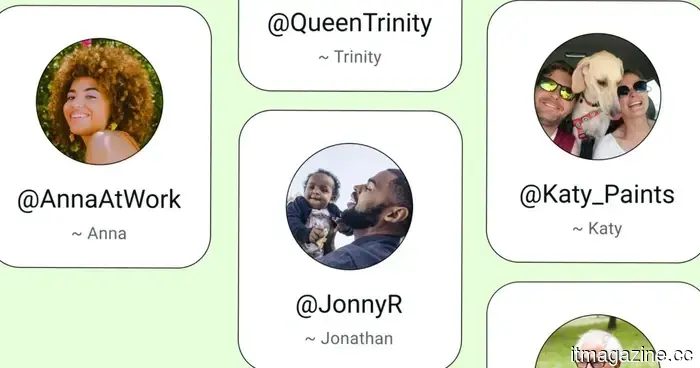 WhatsApp is finally introducing usernames, so be sure to claim yours as soon as possible.
WhatsApp usernames will be introduced later this year, but you can reserve them now. With three billion users using the platform, desirable names are being taken quickly.
WhatsApp is finally introducing usernames, so be sure to claim yours as soon as possible.
WhatsApp usernames will be introduced later this year, but you can reserve them now. With three billion users using the platform, desirable names are being taken quickly.
 In a time of extremely expensive smartphones, the Samsung Galaxy M47 emerges as an affordable solution.
Samsung's Galaxy M47 5G features a 120Hz AMOLED display, a 6,000mAh battery, a Snapdragon 6 Gen 3 processor, and offers 6 years of updates, all at an affordable price.
In a time of extremely expensive smartphones, the Samsung Galaxy M47 emerges as an affordable solution.
Samsung's Galaxy M47 5G features a 120Hz AMOLED display, a 6,000mAh battery, a Snapdragon 6 Gen 3 processor, and offers 6 years of updates, all at an affordable price.
 Why Quicker Software Is Leading to Slower Issues
The true difficulty begins once the code has been completed. The most noticeable aspect of the AI surge is straightforward to identify. A developer inputs a prompt, and a functional result emerges on the screen. A feature is assembled more swiftly than before, or a product progresses without the similar setbacks that previously characterized initial development. That [...]
Why Quicker Software Is Leading to Slower Issues
The true difficulty begins once the code has been completed. The most noticeable aspect of the AI surge is straightforward to identify. A developer inputs a prompt, and a functional result emerges on the screen. A feature is assembled more swiftly than before, or a product progresses without the similar setbacks that previously characterized initial development. That [...]
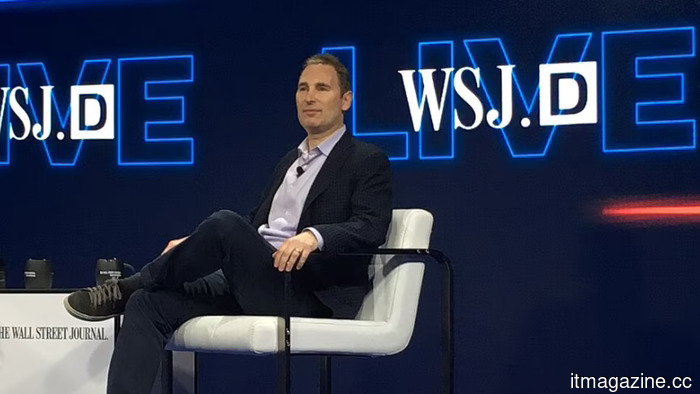 Amazon is exploring more affordable AI options as Anthropic transitions to a token-based pricing model.
Amazon is considering OpenAI as an option to replace Claude following a renegotiated contract with Anthropic that will increase expenses due to token-based pricing.
Amazon is exploring more affordable AI options as Anthropic transitions to a token-based pricing model.
Amazon is considering OpenAI as an option to replace Claude following a renegotiated contract with Anthropic that will increase expenses due to token-based pricing.
 XChat has finally arrived on Android, offering encrypted messaging features beyond X.
X has officially released XChat for Android, introducing its standalone encrypted messaging application to Google's mobile platform.
Developers have expressed that Microsoft's three-year support period for .NET is insufficient for enterprises.
A GitHub issue contends that Microsoft's .NET LTS support duration is insufficient for enterprise upgrade cycles, resulting in half of the deployments operating on unsupported versions.
XChat has finally arrived on Android, offering encrypted messaging features beyond X.
X has officially released XChat for Android, introducing its standalone encrypted messaging application to Google's mobile platform.
Developers have expressed that Microsoft's three-year support period for .NET is insufficient for enterprises.
A GitHub issue contends that Microsoft's .NET LTS support duration is insufficient for enterprise upgrade cycles, resulting in half of the deployments operating on unsupported versions.
Developers believe that Microsoft's three-year support window for .NET is insufficient for enterprises.
A GitHub issue contends that Microsoft’s .NET LTS support period is insufficient for enterprise upgrade timelines, leading to 50% of deployments using unsupported versions.