
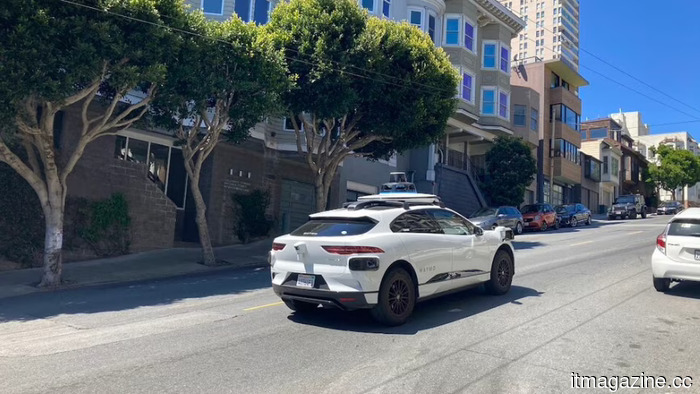
Trump's Department of Transportation suggests eliminating the brake pedal requirement for self-driving cars, paving the way for companies like Tesla and Zoox.
TL;DR: The Department of Transportation (DOT) proposed eliminating brake pedal requirements for vehicles designed solely for autonomous driving, benefiting Tesla's Cybercab and Zoox. On Wednesday, the Trump administration’s DOT suggested removing the federal mandate for brake pedals in vehicles meant to be entirely operated by automated systems. If approved, this adjustment would remove significant regulatory hurdles for companies creating specialized autonomous vehicles without typical human controls.
The proposal modifies Federal Motor Vehicle Safety Standard No. 135, which regulates brake systems, by removing the requirement for hand- or foot-operated brakes in vehicles that won’t have human drivers. Other braking performance standards, like stopping distance, would still apply. The public has 30 days to comment before the DOT makes a decision.
NHTSA Administrator Jonathan Morrison highlighted the significance of the change, stating, “We are on the brink of the greatest technological revolution in vehicle technology since the Model T,” and emphasized that NHTSA aims to eliminate unnecessary barriers while maintaining essential safety requirements.
Tesla stands to gain the most from this change, as the company has developed a two-seat vehicle called the Cybercab, which will operate without a steering wheel or pedals. Production at its Texas factory began in early 2026, and while Tesla currently utilizes retrofit Model Y vehicles with standard controls for its small robotaxi service in Austin, it has not sought exemptions from FMVSS standards but rather awaited regulatory changes.
Amazon's Zoox will also benefit, having received a demonstration exemption from NHTSA in August 2025 for its robotaxi without a steering wheel or pedals, while seeking a separate commercial exemption to charge riders. Currently, the exemption system limits deployment to 2,500 vehicles per year. Removing the FMVSS requirement would lift this cap.
Companies like Waymo, which operate modified conventional vehicles with steering and pedals, do not require exemptions. Waymo provides over 500,000 paid rides per week across ten U.S. cities. The proposed rule does not impact vehicles with manual controls.
This brake pedal proposal is part of a series of FMVSS updates from the Trump DOT, following earlier proposals to remove requirements for windshield wiping systems, transmission shift displays, and tire placards in vehicles with automated driving systems. The Biden administration contributed groundwork in 2022 by finalizing a rule for occupant protection standards for vehicles without steering wheels.
Currently, any company developing an autonomous vehicle that lacks FMVSS-required components must request individual exemptions from the federal government. Even if granted, there are limits on how many exempted vehicles can operate on the road. The trend of eliminating outdated component mandates for driverless vehicles has been ongoing, with the brake pedal being the most notably significant target thus far.
Tesla’s Austin robotaxi service has encountered incidents, with the company revealing two crashes involving teleoperators remotely controlling vehicles at low speeds. Tesla acknowledged to NHTSA that it uses teleoperators to oversee and occasionally maneuver vehicles remotely after incidents or to avoid obstacles.
The rule remains a proposal and may face pushback during the public comment period from safety advocates who argue that removing physical controls decreases fallback options in case of system failures. The decision on whether the DOT finalizes the change will affect how quickly companies like Tesla can deploy their purpose-built robotaxis at scale, bypassing the exemption process for each vehicle.
Other articles
 I discovered two budget laptop deals for Prime Day that are ideal for students, work, and everyday use.
Prime Day has reduced prices on two affordable Windows laptops from ASUS and HP that are suitable for work, school, and daily use.
I discovered two budget laptop deals for Prime Day that are ideal for students, work, and everyday use.
Prime Day has reduced prices on two affordable Windows laptops from ASUS and HP that are suitable for work, school, and daily use.
 Apple has recently increased the prices of its products by several hundred dollars.
Apple endured longer than any other brand. Today, the memory shortage has ultimately prevailed, resulting in an increase in prices for Mac and iPad models across the board.
Apple has recently increased the prices of its products by several hundred dollars.
Apple endured longer than any other brand. Today, the memory shortage has ultimately prevailed, resulting in an increase in prices for Mac and iPad models across the board.
 Apple may bypass the Pro and Max variations for the M6 chip, focusing instead on the M7 for significant enhancements.
Apple might introduce the M6 chip only in a base configuration, completely bypassing the Pro and Max versions, and reserving those enhancements, as well as a new Ultra variant, for the M7 series set to arrive in early 2027.
Apple may bypass the Pro and Max variations for the M6 chip, focusing instead on the M7 for significant enhancements.
Apple might introduce the M6 chip only in a base configuration, completely bypassing the Pro and Max versions, and reserving those enhancements, as well as a new Ultra variant, for the M7 series set to arrive in early 2027.
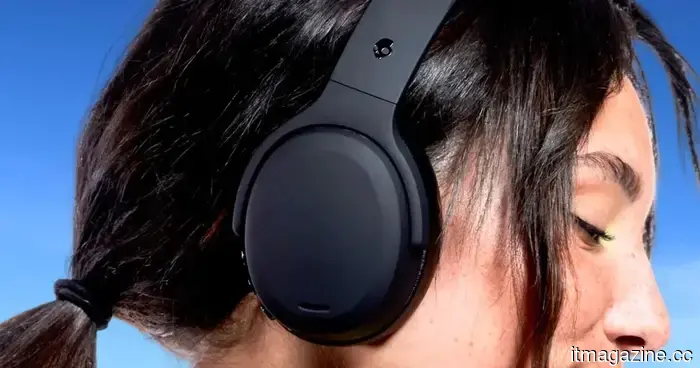 I discovered two Prime Day ANC headphone offers that cut costs without compromising on features.
If your budget for ANC headphones is between $100 and $120, these two Prime Day selections provide all the essentials without the premium price.
I discovered two Prime Day ANC headphone offers that cut costs without compromising on features.
If your budget for ANC headphones is between $100 and $120, these two Prime Day selections provide all the essentials without the premium price.
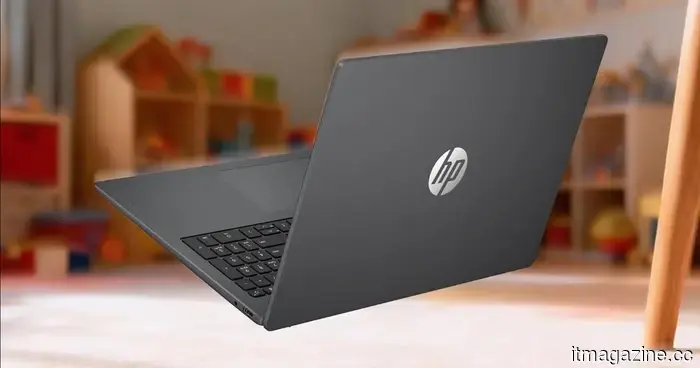 I discovered two Prime Day budget laptop offers that are suitable for students, work, and general use.
Prime Day has reduced prices on two affordable Windows laptops from ASUS and HP that are suitable for work, school, and daily tasks.
I discovered two Prime Day budget laptop offers that are suitable for students, work, and general use.
Prime Day has reduced prices on two affordable Windows laptops from ASUS and HP that are suitable for work, school, and daily tasks.
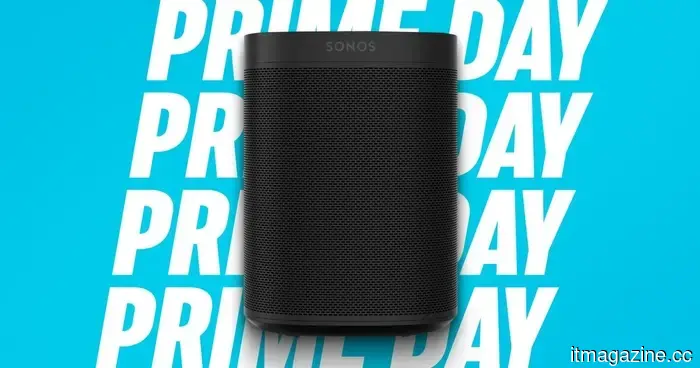 I came across two Prime Day offers on speakers: one designed for travel and the other intended for your smart home.
If you're in the market for a portable Bluetooth speaker or a smart home hub, these two Prime Day offers meet both requirements.
I came across two Prime Day offers on speakers: one designed for travel and the other intended for your smart home.
If you're in the market for a portable Bluetooth speaker or a smart home hub, these two Prime Day offers meet both requirements.
Trump's Department of Transportation suggests eliminating the brake pedal requirement for self-driving cars, paving the way for companies like Tesla and Zoox.
The DOT suggested eliminating the requirement for brake pedals in vehicles designed solely for autonomous driving, smoothing the way for Tesla's Cybercab and Zoox.