
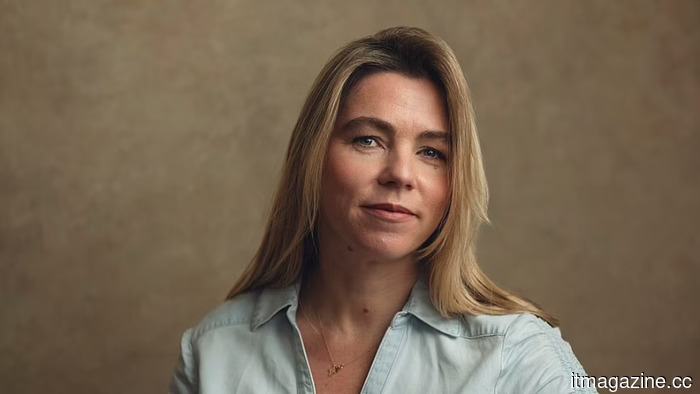
Sarah Wynn-Williams takes legal action against Meta for attempts to silence her.
For over a year, the legal situation surrounding Sarah Wynn-Williams was predominantly one-sided: Meta against its former executive. This dynamic has now shifted. Sarah Wynn-Williams, who authored the Meta memoir *Careless People*, is suing the company for its attempts to silence her, as reported by The Wall Street Journal. The individual whom Meta sought to silence has now become the one taking legal action.
The context includes a gag order that has become a notable story in its own right. On the day *Careless People* was released in March 2025, Meta filed a demand for arbitration, claiming that the book violated a non-disparagement agreement Wynn-Williams had signed upon her departure from the company. An emergency arbitrator sided with Meta, temporarily barring her from promoting the book and from making any “disparaging, critical, or otherwise detrimental” remarks about the company. This order included penalties of up to $50,000 for each violation.
The enforced silence resulted in one of the more memorable events in recent tech-publishing history. At the Hay Festival in late May, Wynn-Williams remained silent onstage for an entire hour, sitting between journalist Carole Cadwalladr and Columbia law professor Tim Wu, after her lawyers cautioned that any public statement regarding Meta could lead to fines. Her silence garnered more attention than a speech might have. Sales of the book surged; it had already debuted at number one on the New York Times nonfiction list and continued to sell well.
What Wynn-Williams describes in her memoir covers a wide range of issues, remaining her personal account rather than universally accepted facts. The book makes allegations of misconduct and sexual harassment involving senior personnel at the company and claims that Meta was willing to collaborate with Chinese censorship measures as part of its long pursuit of entering that market, claims that Meta contests.
Additionally, she has lodged a whistleblower complaint with the U.S. Securities and Exchange Commission regarding similar issues related to the company's activities in China. Throughout the dispute, Meta has maintained a contractual stance. The company asserts that Wynn-Williams signed a severance agreement in 2017, which included a non-disparagement clause, and that it is merely enforcing the terms she agreed to.
Meta has portrayed her exit as a termination due to poor performance and what it termed toxic behavior. Wynn-Williams contends that her 2017 dismissal was in retaliation for reporting sexual harassment by senior executive Joel Kaplan, who is now Meta's chief global affairs officer, a characterization both Kaplan and the company deny.
This dispute has attracted political attention in both the U.S. and the UK. Senator Chuck Grassley, the Republican chair of the Senate Judiciary Committee, reached out to Mark Zuckerberg regarding the claims that the company attempted to silence her, while a UK politician argued that she was being driven towards financial ruin by the mounting arbitration costs.
What makes the new lawsuit noteworthy is that the individual facing $50,000 penalties per breach is now the plaintiff. It is already evident how this situation has unfolded: a non-disparagement clause intended for a quiet resolution has instead led to a bestseller, a letter from the Senate, a silent appearance at a festival, and now a lawsuit. Meta aimed to halt the narrative but has instead found itself with a new chapter.
Other articles
 Sarah Wynn-Williams files a lawsuit against Meta for attempts to silence her.
Whistleblower Sarah Wynn-Williams has initiated a lawsuit against Meta in response to its attempts to silence her, following a gag order that imposed a $50,000 fine for each instance of public criticism directed at the company.
Sarah Wynn-Williams files a lawsuit against Meta for attempts to silence her.
Whistleblower Sarah Wynn-Williams has initiated a lawsuit against Meta in response to its attempts to silence her, following a gag order that imposed a $50,000 fine for each instance of public criticism directed at the company.
 Taktile secures $110 million to entrust AI with banking decisions.
Taktile has secured $110 million in a Series C funding round led by Goldman Sachs, enabling banks and insurers to automate their most critical decisions using AI agents.
Taktile secures $110 million to entrust AI with banking decisions.
Taktile has secured $110 million in a Series C funding round led by Goldman Sachs, enabling banks and insurers to automate their most critical decisions using AI agents.
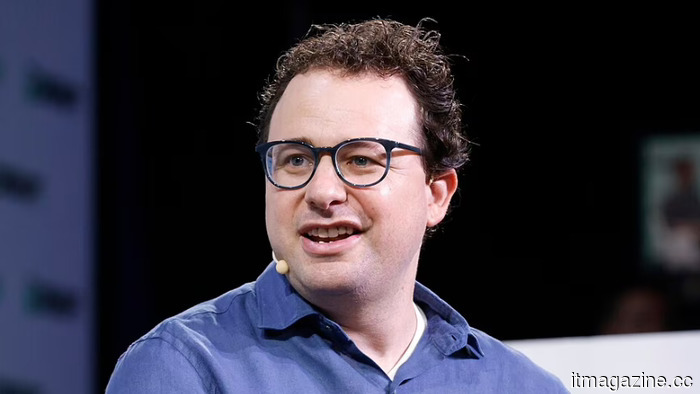 Claude is attracting paying customers in a market that ChatGPT has dominated, according to credit card data.
Claude's consumer base has increased by 75% since January, according to credit card data from Indagari, while DataCamp reports that Claude is now the most searched term.
Claude is attracting paying customers in a market that ChatGPT has dominated, according to credit card data.
Claude's consumer base has increased by 75% since January, according to credit card data from Indagari, while DataCamp reports that Claude is now the most searched term.
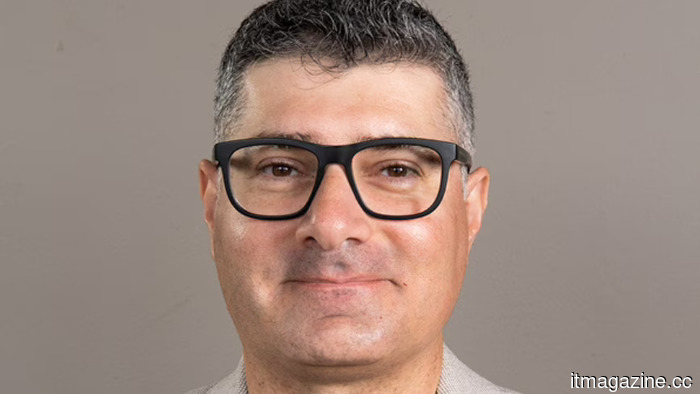 Netris secures $15 million in Series A funding from a16z to streamline the networking processes that hinder GPU cloud performance.
Netris has secured $15 million in funding from Andreessen Horowitz to expand its network automation platform, which is currently operational in over 35 GPU clusters globally.
Netris secures $15 million in Series A funding from a16z to streamline the networking processes that hinder GPU cloud performance.
Netris has secured $15 million in funding from Andreessen Horowitz to expand its network automation platform, which is currently operational in over 35 GPU clusters globally.
 Unconventional AI has launched its initial model, which is designed on an oscillator architecture that has the potential to reduce AI power consumption by a factor of 1000.
Naveen Rao's Unconventional AI has introduced Un-0, an image generation model that operates on a simulated oscillator chip architecture, which it asserts could significantly reduce power consumption.
Unconventional AI has launched its initial model, which is designed on an oscillator architecture that has the potential to reduce AI power consumption by a factor of 1000.
Naveen Rao's Unconventional AI has introduced Un-0, an image generation model that operates on a simulated oscillator chip architecture, which it asserts could significantly reduce power consumption.
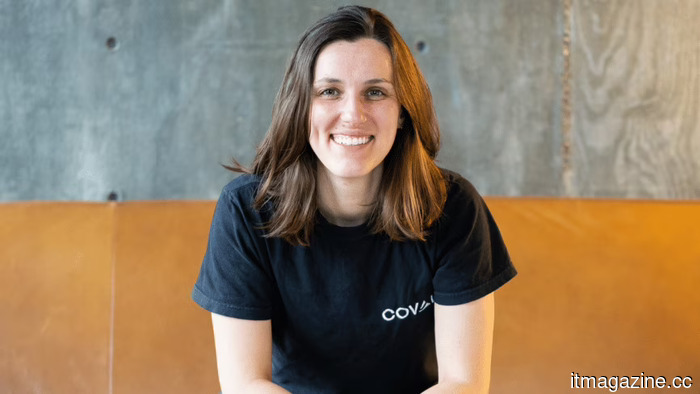 Coval secures $28 million to evaluate the performance of AI voice agents under pressure.
Coval has secured $28 million in funding, led by Norwest, to replicate and evaluate enterprise AI voice agents prior to their performance in actual customer calls.
Coval secures $28 million to evaluate the performance of AI voice agents under pressure.
Coval has secured $28 million in funding, led by Norwest, to replicate and evaluate enterprise AI voice agents prior to their performance in actual customer calls.
Sarah Wynn-Williams takes legal action against Meta for attempts to silence her.
Whistleblower Sarah Wynn-Williams is taking legal action against Meta for its attempts to suppress her, following a gag order that imposed a $50,000 fine for each public criticism of the company.