
BP, Walmart, and 7-Eleven have been sued regarding petrol prices set by AI in California.
A group of drivers in California has filed a lawsuit against six of the nation’s largest fuel retailers, claiming they utilized an artificial intelligence pricing tool to align petrol prices and maintain them at an artificially elevated level. The complaint was submitted on June 22, 2026, in a federal court located in Sacramento and lists BP, Circle K, Marathon Petroleum, 7-Eleven, Walmart, and Albertsons as defendants.
The lawsuit alleges that these companies contributed data to a shared algorithmic pricing software, provided by a company named Kalibrate, which the plaintiffs assert uses competitors’ pricing to suggest the prices each station should set. The drivers claim that this practice constituted a coordinated strategy that increased prices uniformly instead of through typical competitive methods.
The numbers associated with this claim are significant. In regions where a large proportion of stations utilized the tool, the plaintiffs argue that petrol prices increased by approximately 30 cents per gallon compared to what competitive pricing would have generated, as first reported by Bloomberg. The six firms operate over 1,700 gas stations throughout the state, meaning any adjustment to their prices has considerable impact.
These defendants include major fuel brands, convenience store chains, and supermarket fuel stations, which together represent a substantial portion of petrol sales in California, contributing to the plaintiffs' argument that the supposed effects were widely experienced.
The lawsuit is based on two aspects of California law. The first is the Cartwright Act, the state’s primary antitrust legislation, which prohibits agreements that restrict trade. The second is a newer law, Assembly Bill 325, enacted earlier this year to specifically address algorithmic pricing practices.
The plaintiffs contend that inputting competitors' data into a common tool exemplifies the behavior the new law was designed to target, even if no executives convened to agree on a price. This theory is central to a larger legal discussion unfolding across various US markets, from rental properties to hotels: whether software that subtly aligns competitors' decisions can violate antitrust regulations without the typical human agreement that these laws originally intended to govern.
Regulators are becoming more cautious as AI becomes increasingly integrated into commerce, and this California case places a common product, petrol, at the core of the inquiry.
The plaintiffs are seeking unspecified damages; the lawsuit does not state a specific monetary figure for the alleged harm, leaving that to be determined as proceedings advance. The defendants have yet to respond in court, and the claims remain unverified. Kalibrate is mentioned in the lawsuit as the provider of the pricing tool but is not named as a defendant, and the case is established as a proposed class action representing drivers who purchased fuel at the listed stations.
California has historically been one of the most expensive locations in the US for refueling, which is typically attributed to state taxes, environmental regulations, and a relatively isolated network of refineries. The lawsuit introduces a software-related component to this explanation, arguing that part of the discrepancy in prices is due to coordinated pricing rather than merely structural costs.
At this stage, the decision-making responsibilities lie with the court. The companies will need to submit their responses, and the plaintiffs must demonstrate that the shared tool resulted in an action classified as coordination by the law, rather than independent companies reaching similar conclusions based on comparable data. How a judge in Sacramento differentiates between these scenarios could influence the extent of the new law's application beyond fuel stations.
Other articles
 Meta has halted its employee mouse-tracking initiative due to concerns about data security.
Meta has halted its Model Capability Initiative, which monitored employee mouse movements and keystrokes for AI training, following the exposure of sensitive data.
Meta has halted its employee mouse-tracking initiative due to concerns about data security.
Meta has halted its Model Capability Initiative, which monitored employee mouse movements and keystrokes for AI training, following the exposure of sensitive data.
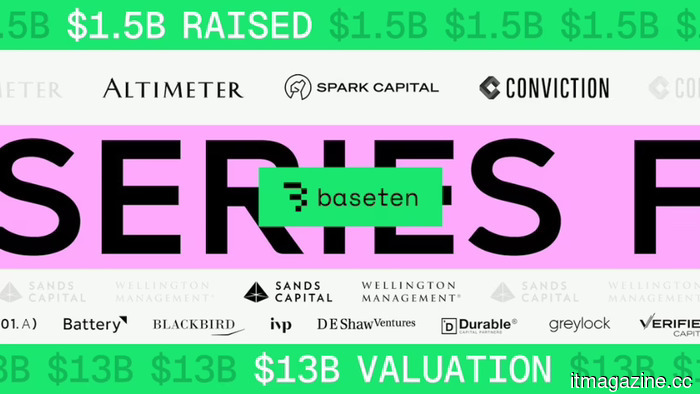 AI infrastructure startup Baseten secures $1.5 billion in funding, reaching a valuation of up to $13 billion.
AI startup Baseten secured $1.5 billion, achieving a valuation of as much as $13 billion, with Sands Capital and Wellington leading the round, while Blackbird VC made its largest investment to date.
AI infrastructure startup Baseten secures $1.5 billion in funding, reaching a valuation of up to $13 billion.
AI startup Baseten secured $1.5 billion, achieving a valuation of as much as $13 billion, with Sands Capital and Wellington leading the round, while Blackbird VC made its largest investment to date.
 Tata Electronics breach reportedly reveals trade secrets of Apple and Tesla.
A ransomware group claims to have stolen 630GB of data from India's Tata Electronics, which supposedly includes component files from Apple and Tesla. Tata has acknowledged a breach, but the authenticity of the files remains unverified.
Tata Electronics breach reportedly reveals trade secrets of Apple and Tesla.
A ransomware group claims to have stolen 630GB of data from India's Tata Electronics, which supposedly includes component files from Apple and Tesla. Tata has acknowledged a breach, but the authenticity of the files remains unverified.
 The UK is considering requiring social media platforms to highlight reliable news sources.
The culture department of Britain is contemplating regulations that would obligate Facebook, YouTube, and TikTok to facilitate the discovery of news from BBC, ITV, and Channel 4 in their feeds and search functions.
The UK is considering requiring social media platforms to highlight reliable news sources.
The culture department of Britain is contemplating regulations that would obligate Facebook, YouTube, and TikTok to facilitate the discovery of news from BBC, ITV, and Channel 4 in their feeds and search functions.
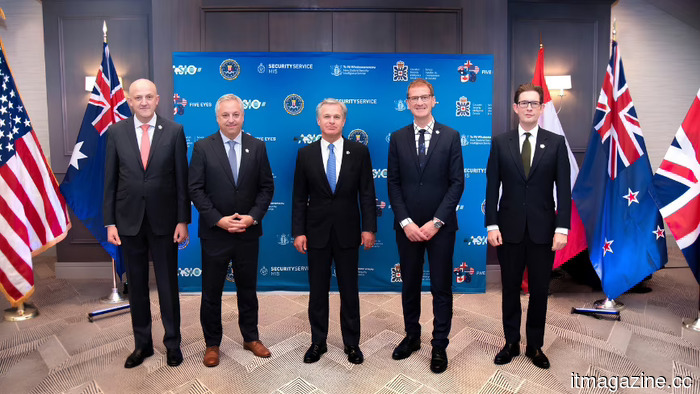 The Five Eyes alliance has issued a warning that cyber threats from frontier AI are just ‘months’ on the horizon.
The Five Eyes intelligence alliance has cautioned that advanced AI, which could significantly enhance cyberattacks, is just months away from being released to the public, rather than years.
The Five Eyes alliance has issued a warning that cyber threats from frontier AI are just ‘months’ on the horizon.
The Five Eyes intelligence alliance has cautioned that advanced AI, which could significantly enhance cyberattacks, is just months away from being released to the public, rather than years.
 Micron and Anthropic have entered into a multi-year agreement for AI memory supplies.
Micron and Anthropic have entered into a multi-year contract that includes the supply of AI memory and storage, the integration of Claude within Micron, and an investment by Micron in Anthropic.
Micron and Anthropic have entered into a multi-year agreement for AI memory supplies.
Micron and Anthropic have entered into a multi-year contract that includes the supply of AI memory and storage, the integration of Claude within Micron, and an investment by Micron in Anthropic.
BP, Walmart, and 7-Eleven have been sued regarding petrol prices set by AI in California.
Drivers in California have filed a lawsuit against BP, Walmart, 7-Eleven, and three other companies, claiming that an AI pricing tool was utilized to synchronize increased fuel prices.