
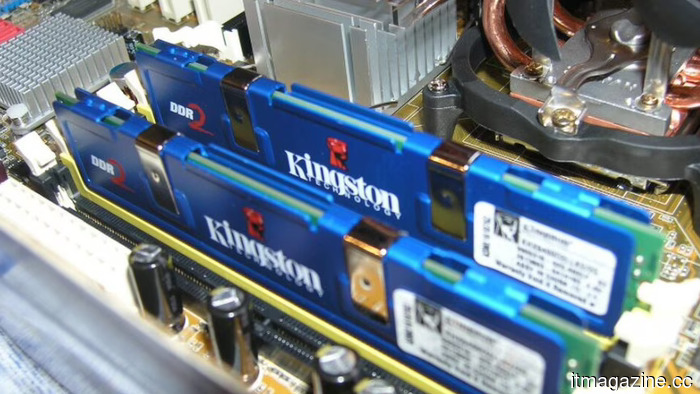
The AI memory crisis has now affected DDR2, a standard established in 2003, resulting in a 60% increase in prices.
In Q2 2026, DDR2 prices experienced a 55-60% increase as the AI-driven DRAM shortage compelled hardware manufacturers to downgrade to older memory generations. According to the Taiwanese market analysis firm TrendForce, contract prices for DDR2 surged by 55 to 60 percent, with forecasts predicting an additional 35 to 40 percent rise in Q3.
This price increase is attributed to hardware producers lowering their memory specifications to ensure supply. TrendForce indicates that some companies are substituting DDR4 with DDR3 components, while others are moving from DDR3 to DDR2, a standard that originated in 2003. These downgrades are a response to ongoing shortages in mainstream DRAM and climbing contract prices across all memory types.
The Register, which initially reported on TrendForce’s findings, has pointed out that it is hard to envision modern PC processors being compatible with such outdated memory types. These changes are likely impacting embedded systems, industrial machinery, networking devices, and other applications where older memory standards are still in use.
The core issue driving this situation is the same one reshaping the memory market since late 2025. Major manufacturers like Samsung, SK Hynix, and Micron have shifted wafer capacity away from consumer and commodity DRAM towards high-bandwidth memory for AI data centers, where profit margins can reach 70% or more. Each wafer dedicated to a high-bandwidth memory stack for an Nvidia GPU translates to one less wafer available for consumer devices like laptops, smartphones, or industrial controllers.
This shortage has trickled down through various memory generations. Initially, prices for DDR5 and DDR4 climbed, prompting buyers to turn to DDR3 as those components became limited. Now that DDR3 supply is also tightening, the pressure has reached DDR2—a product that had largely been regarded as an obsolete low-margin option by the industry.
The supply situation for DDR2 is particularly precarious, as only a few manufacturers continue to produce it. Winbond and ESMT from Taiwan are among the primary suppliers. According to TrendForce, Winbond is gradually reducing its DDR2 production to focus on higher-margin products such as DDR3, DDR4, and LPDDR4. Conversely, ESMT aims to maximize its DDR2 output within its current wafer allocation at foundry partner Powerchip Semiconductor Manufacturing Corporation, attempting to capture demand left by Winbond. This difference in strategy means Winbond is exiting the DDR2 market faster than ESMT can compensate.
The effects of the overall memory crisis are becoming evident in consumer electronics. GoPro issued a warning regarding its financial stability after memory prices surged 80 to 115 percent, and PC prices have risen by double digits. IDC forecasts that the prices of smartphones, PCs, and tablets could increase by 10 to 20 percent by the end of 2026.
Efforts to alleviate the situation are being planned, but they will take time. SK Hynix has set a goal to double its silicon wafer output over the next five years, a timeline announced by its chairman at Computex in June. Micron also anticipates significant new production capacity at its Virginia facility in 2027 and 2028, though these measures do not address the immediate shortage.
Additionally, Chinese manufacturer CXMT has begun providing DDR5 to Western brands like Corsair, which could offer a potential alternative for mainstream memory. However, CXMT is also diverting around 20 percent of its capacity to high-bandwidth memory due to attractive margins, which limits its ability to ease the consumer memory shortage.
The 60 percent quarterly price hikes for 2003-era memory components highlight how significantly the AI-driven reallocation has disrupted the semiconductor supply chain. This shortage extends beyond advanced products, affecting components that the industry expected to remain affordable and plentiful indefinitely.
Other articles
 Kodak Charmera is launching a new $30 keychain camera that features a flip screen for taking selfies.
The Funtastic Keychain Camera from Yashica is a small digital camera featuring a 180-degree flip screen, a 1MP sensor, USB-C charging, and a variety of character-themed designs.
Kodak Charmera is launching a new $30 keychain camera that features a flip screen for taking selfies.
The Funtastic Keychain Camera from Yashica is a small digital camera featuring a 180-degree flip screen, a 1MP sensor, USB-C charging, and a variety of character-themed designs.
 I really like Apple, but this decision regarding watchOS could be the tipping point for me.
My Apple Watch SE 2 is still functioning well. So why does it seem outdated already? Why, Apple, why?
I really like Apple, but this decision regarding watchOS could be the tipping point for me.
My Apple Watch SE 2 is still functioning well. So why does it seem outdated already? Why, Apple, why?
 Google has invested $75 million in A24 as DeepMind initiates a research partnership focused on AI in filmmaking.
Google is investing approximately $75 million in A24, the independent studio responsible for Backrooms, as part of a new collaboration with its DeepMind AI laboratory.
Google has invested $75 million in A24 as DeepMind initiates a research partnership focused on AI in filmmaking.
Google is investing approximately $75 million in A24, the independent studio responsible for Backrooms, as part of a new collaboration with its DeepMind AI laboratory.
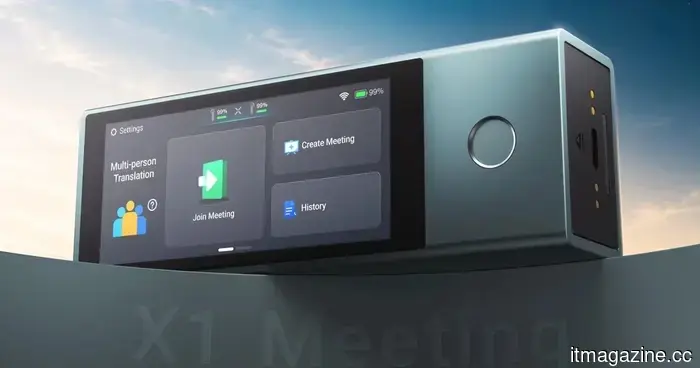 Timekettle's latest X1 Meeting Hub offers real-time translation for up to 50 individuals and is compact enough to fit in your pocket.
Priced at $849 and weighing 199 grams, the Timekettle X1 Meeting Hub aims to serve as a substitute for traditional professional interpretation systems in your upcoming multilingual meetings.
Timekettle's latest X1 Meeting Hub offers real-time translation for up to 50 individuals and is compact enough to fit in your pocket.
Priced at $849 and weighing 199 grams, the Timekettle X1 Meeting Hub aims to serve as a substitute for traditional professional interpretation systems in your upcoming multilingual meetings.
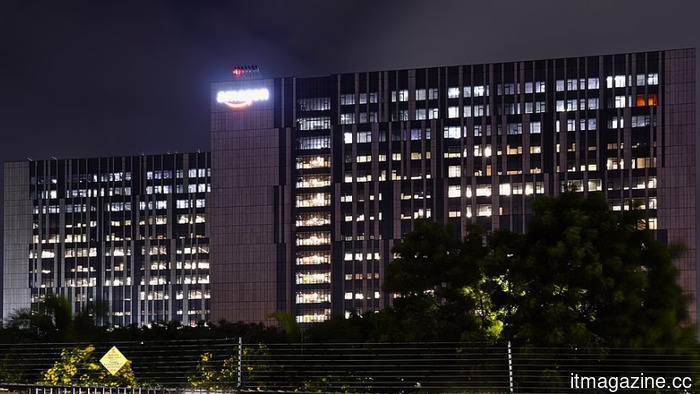 Researchers caution that almost 7,000 counterfeit Amazon domains have been registered in anticipation of Prime Day 2026.
Check Point Research identified 6,843 new domains related to Amazon since December, with one out of every 13 being marked as malicious in just the first week of June.
Researchers caution that almost 7,000 counterfeit Amazon domains have been registered in anticipation of Prime Day 2026.
Check Point Research identified 6,843 new domains related to Amazon since December, with one out of every 13 being marked as malicious in just the first week of June.
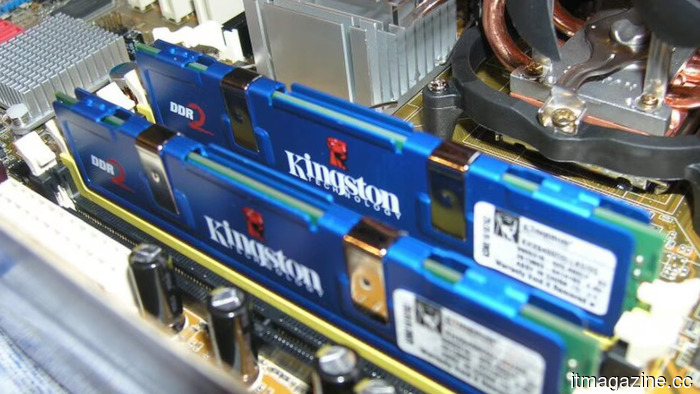 The AI memory crisis has now impacted DDR2, a standard established in 2003, causing prices to rise by 60%.
According to TrendForce, DDR2 contract prices increased by 55-60% in the second quarter as hardware manufacturers shifted to older memory generations in response to AI-driven DRAM shortages.
The AI memory crisis has now impacted DDR2, a standard established in 2003, causing prices to rise by 60%.
According to TrendForce, DDR2 contract prices increased by 55-60% in the second quarter as hardware manufacturers shifted to older memory generations in response to AI-driven DRAM shortages.
The AI memory crisis has now affected DDR2, a standard established in 2003, resulting in a 60% increase in prices.
TrendForce reports that in the second quarter, DDR2 contract prices increased by 55-60% as hardware manufacturers resorted to using older memory generations to address DRAM shortages driven by AI.