
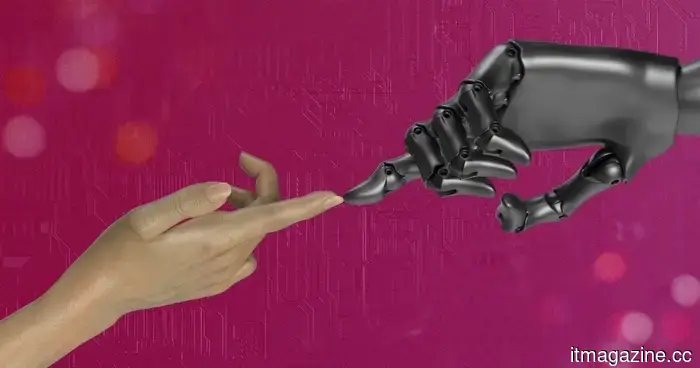
Soft pings will occur, each accompanied by notes.
The house is still, but you’ve begun receiving alerts. Soon, you awaken at 6:43 am.
The sleep tracker indicates inadequate recovery. The watch suggests a lighter day, which is thoughtful, if not particularly insightful. Somewhere within the sensors, last night has been reduced to a judgment. There hasn’t been enough sleep or rest, and the day hasn't even begun to demand tasks yet.
The device isn't being particularly harsh. In 2024, the CDC/NCHS reported that 30.5% of U.S. adults experienced short sleep durations, and only 54.8% felt well-rested upon waking.
It seems the morning now starts with a technological intervention.
When the routine gains a management layer
By the time the front door swings open, your routine has gathered a small team.
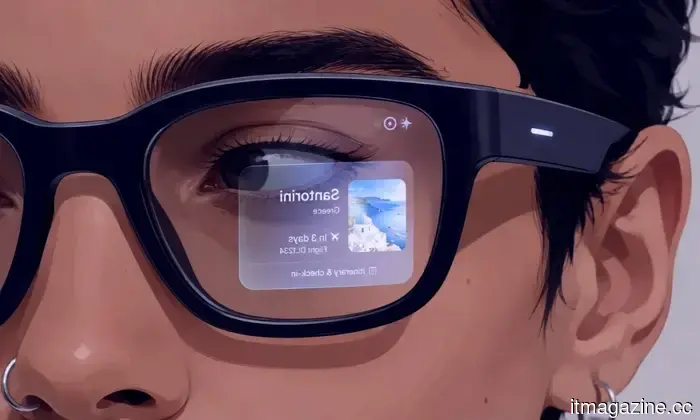
The smart glasses flash messages and appointments at the edge of your vision.
Digital Trends
The AirPods make the commute more bearable.
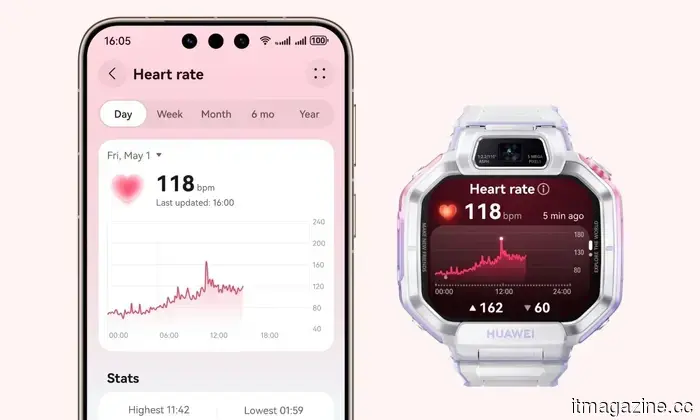
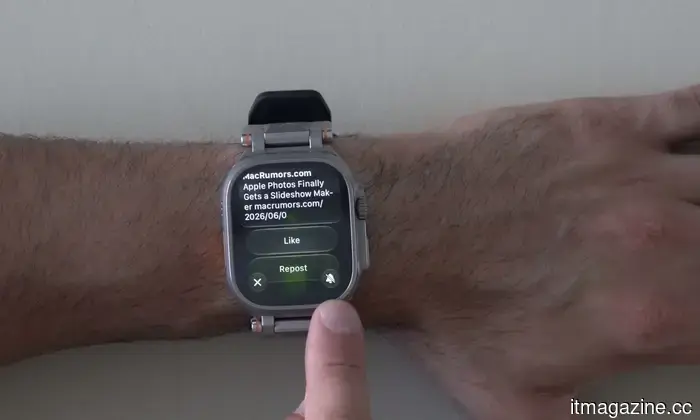
The watch monitors your heart rate, the ring tracks your recovery, the glucose patch waits for lunch like a little food critic, and the posture tracker vibrates when your spine can no longer pretend.
Below, the smart insoles detect a change in your walking pattern.
The market is already shifting in this direction, which is unfortunate for anyone hoping this remains a lighthearted matter. Circana reported that U.S. fitness tracker revenue surged 88% year over year in the first seven months of 2025, while smart ring sales soared 195%. Smart rings accounted for 75% of total fitness tracker revenue for that year.
When lunch can submit a report
Wearables are no longer content with just tracking your steps and giving you a pat on the back for standing up.
The category is evolving toward interpretation: recovery, glucose response, posture, strain, readiness, and the questionable moral state of your body.
The issue was never about whether these devices are useful. Many indeed are.
Glucose monitoring illustrates the trajectory. Ultrahuman recently unveiled M2 Live, a U.S. continuous glucose monitoring service based on Abbott’s Lingo biosensor, requiring no prescription. It costs $99 per month, with sensors priced separately at $129, usable for up to 14 days.
The attraction is clear. The punchline is less amusing: lunch can now issue a report.
Huawei
When every solution becomes another reminder
One device melds into a routine. Seven of them convert your routine into a meeting.
A watch can identify something significant. A glucose patch can highlight a trend. Smart glasses can simplify your day. AirPods can ease the commute.
The discomfort arises from the accumulation. The day continues to demand more: extra messages, additional sitting, quicker meals, growing sleep debt, and more cheerful notifications to engage with before work even begins. Then technology arrives with small adjustments for every harm the day has already inflicted. Take a moment to breathe. Stand up before the next call. Alter your lunch choices. Walk better on the way home. Please consider becoming a slightly enhanced mammal.
HotshotTek (YouTube)
The issue was never about whether these devices are beneficial. Many are. The more pertinent question is what is sacrificed in the process.
The afternoon you spent unproductively yet felt no regret. The version of you that exists outside the metrics. The grief that didn’t resolve into a trend line. None of that creates clean data, and clean data is, increasingly, the most valuable asset you possess.
Your routine persists whether or not you truly feel present.
The future cyborg won’t require a weapon. You’ll just need a nap, and at least three devices will claim credit for suggesting it.
In a data center as vast as a small city, a server records that the nap was 23 minutes too short, flags the cortisol trend, updates your profile, and subtly modifies tomorrow's suggestions.
The house remains quiet. Somewhere on your wrist, finger, spine, or foot, the alerts keep coming.
Other articles
 Apple users are being targeted by a well-known tech support scam.
Following years of scammers pretending to be Microsoft support, reports indicate that Apple users are now experiencing a comparable surge of fraudulent tech support alerts.
Apple users are being targeted by a well-known tech support scam.
Following years of scammers pretending to be Microsoft support, reports indicate that Apple users are now experiencing a comparable surge of fraudulent tech support alerts.
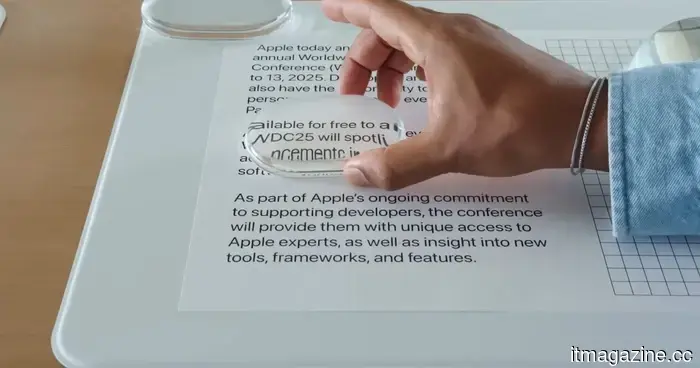 The Liquid Glass slider in iOS 27 may appear straightforward, but it proves to be more functional than I anticipated.
Having used iOS 27 on my iPhone for more than a week, I've discovered that the Liquid Glass slider is one of the most overlooked features of this update. Here’s an explanation of how it functions and why it’s worth giving a shot.
The Liquid Glass slider in iOS 27 may appear straightforward, but it proves to be more functional than I anticipated.
Having used iOS 27 on my iPhone for more than a week, I've discovered that the Liquid Glass slider is one of the most overlooked features of this update. Here’s an explanation of how it functions and why it’s worth giving a shot.
 AirPods didn't eliminate public life; they made it simpler to navigate.
AirPods are often criticized for contributing to social isolation, yet these small earbuds have also turned into a common means of making noisy public environments more bearable.
AirPods didn't eliminate public life; they made it simpler to navigate.
AirPods are often criticized for contributing to social isolation, yet these small earbuds have also turned into a common means of making noisy public environments more bearable.
 Mrs. Dow Jones states that the American dream is "extremely dead" for young Americans.
Financial influencer Haley Sacks states that millennials and Gen Z are moving away from conventional wealth-building methods in favor of gambling and side hustles due to rising housing expenses.
Mrs. Dow Jones states that the American dream is "extremely dead" for young Americans.
Financial influencer Haley Sacks states that millennials and Gen Z are moving away from conventional wealth-building methods in favor of gambling and side hustles due to rising housing expenses.
 A study reveals that almost 60% of TikTok videos presented to new users are low-quality AI-generated content.
A Kapwing analysis of 10,742 TikTok videos revealed that 59% of the content presented to new accounts consists of AI-generated material deemed low quality, which is three times more than what is found on YouTube Shorts.
A study reveals that almost 60% of TikTok videos presented to new users are low-quality AI-generated content.
A Kapwing analysis of 10,742 TikTok videos revealed that 59% of the content presented to new accounts consists of AI-generated material deemed low quality, which is three times more than what is found on YouTube Shorts.
 This complimentary Mac application adds beautiful glass-like widgets to your lock screen.
The Mac lock screen is typically quite bare. WidgetScreen enhances its functionality with free, transparent widgets that vanish as soon as you log in.
This complimentary Mac application adds beautiful glass-like widgets to your lock screen.
The Mac lock screen is typically quite bare. WidgetScreen enhances its functionality with free, transparent widgets that vanish as soon as you log in.
Soft pings will occur, each accompanied by notes.
Smart rings, glasses, earbuds, and glucose patches are transforming everyday life into a series of reminders, alerts, and small adjustments.