
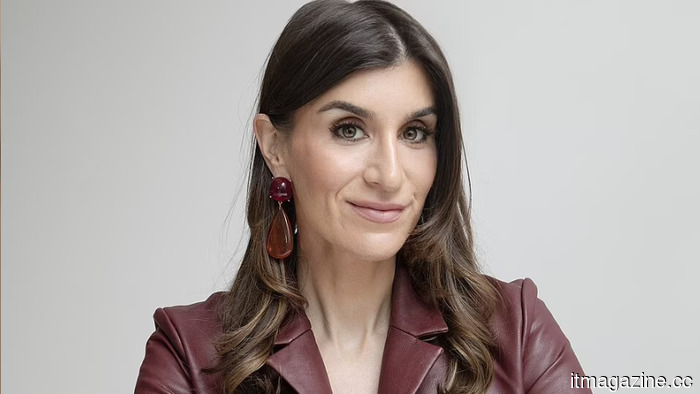
Mrs. Dow Jones states that the American dream is "extremely dead" for young Americans.
**TL;DR**
Haley Sacks, known as Mrs. Dow Jones, claims the American dream is "very dead" for younger generations, as they turn to gambling due to the inaccessibility of traditional pathways to wealth. In a Business Insider interview, she pointed out that essential markers of middle-class success, like homeownership and stable jobs, have become unattainable for many millennials and Gen Z, leading them to seek wealth through gambling and side gigs instead.
This assertion comes amidst record-high figures in the US gambling sector, with the American Gaming Association announcing nearly 79 billion dollars in commercial gaming revenue for 2025—an all-time peak—along with sports betting revenue approaching 17 billion dollars, a 23 percent increase year on year, and iGaming revenue surpassing 10 billion dollars for the first time.
Young Americans are considerably contributing to this growth; a Northwestern Mutual survey in 2026 revealed that 32 percent of Gen Z and 24 percent of millennials engage in or are contemplating sports betting, significantly higher than older demographics.
Sacks, who was recognized in Fortune's 40 Under 40 and founded the financial education business Finance is Cool, argues that this shift towards gambling is rational rather than reckless. She highlights that with starter homes priced far beyond a young worker's yearly earnings and student debts averaging about 33,000 dollars for millennials and 22,000 dollars for Gen Z, gambling appears to be one of the few viable ways to achieve a life-changing financial windfall.
Supporting this notion, a Beyond Finance survey from March 2026 found over 70 percent of Gen Z and millennial respondents described their financial situation as operating in "survival mode," focused on covering essentials with little left for savings or investments. Additionally, economic anxiety is evident as graduates boo commencement speakers discussing AI's potential to reshape their careers while entry-level positions dwindle.
However, the transition from economic frustration to viewing gambling as a wealth strategy presents challenges. A study by researchers from UCLA, USC, and Harvard found that introducing online sports betting in a state correlated with a 10 percent rise in bankruptcy risk among young adults, and mobile betting led to a 25 percent increase.
The ease of phone-based betting, which is available 24/7 and doesn't require casino visits, contributed significantly to financial woes. This trend is particularly prevalent among men under 35, the demographic most heavily targeted by sportsbook advertisements.
Alongside rising revenue, gambling addiction among young Americans is increasing. Reports from NPR indicate a surge in young adults facing gambling-related debt, often initially drawn into sports betting through free-bet promotions and social media marketing that presents gambling as a skill rather than a game of chance.
In her interview, Sacks conceded that gambling lacks a solid financial foundation, yet contended that the trend reflects a disconnect between traditional financial guidance and the economic challenges experienced by those under 40. She emphasized the disparity between advice like saving regularly, investing in index funds, and home buying in a housing market and job environment that render such guidance impractical.
While this conflict between traditional financial principles and modern economic realities isn't new, its magnitude has grown. Job losses in tech due to supposed AI advancements have led to significant cuts in entry-level and mid-career roles since 2024, reinforcing the belief among younger workers that the economic system isn’t designed for them.
The financial services sector has recognized this change, with betting platforms and fintech applications increasingly targeting younger audiences using investment-like terminology, such as “bet portfolios” and “research tools" that blur the lines between investing and gambling. European regulators have begun to take action against prediction markets operating outside legal boundaries, like Spain’s recent block of Polymarket and Kalshi.
In the US, the regulatory landscape is more accommodating, with 38 states and Washington DC now permitting some form of legal sports betting, a rise from just one state in 2018, driven by local governments seeking tax revenue and a Supreme Court decision that overturned the federal ban on sports gambling.
It is important to note some nuances regarding Sacks’ framing. As a financial influencer rather than an economist, her conclusions rely on personal observations and her audience's experiences, not on peer-reviewed data. The gambling industry's record profits do not inherently indicate that young people are choosing to gamble rather than save; they could simply reflect a growing legal gambling market, more states allowing it, or increased spending among bettors of all ages.
While the connection between economic anxiety and gambling behavior is well documented, correlation does not imply causation. Some young adults may gamble out of economic despair, while others view it as entertainment, with significant overlap between these groups that is not easily distinguishable by current data.
What the data clearly indicates is that a generation grappling with soaring housing costs, significant student loan debt, and a shrinking entry-level job market is also gambling at unprecedented rates, with the financial repercussions largely affecting the youngest and most economically vulnerable individuals. Whether this behavior represents a rational response
Other articles
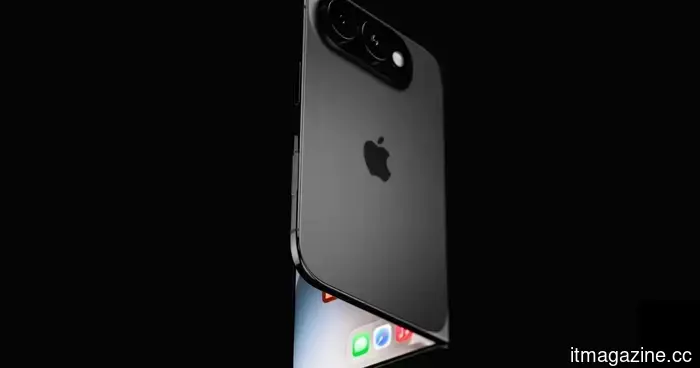 Apple has an impressive array of products planned for release later this year.
Apple might be preparing for one of its most active product cycles in recent years. With potential offerings including a foldable iPhone, AirPods with cameras, and smart glasses, the company's upcoming plans appear to be quite full.
Apple has an impressive array of products planned for release later this year.
Apple might be preparing for one of its most active product cycles in recent years. With potential offerings including a foldable iPhone, AirPods with cameras, and smart glasses, the company's upcoming plans appear to be quite full.
 The issue of AI-generated low-quality content on TikTok is more serious than it appears, and children are being exposed to it the most.
A recent study indicates that AI-generated low-quality content has emerged as a key characteristic of TikTok. Even more concerning is that children and educational material seem to be some of the most adversely affected areas on the platform.
The issue of AI-generated low-quality content on TikTok is more serious than it appears, and children are being exposed to it the most.
A recent study indicates that AI-generated low-quality content has emerged as a key characteristic of TikTok. Even more concerning is that children and educational material seem to be some of the most adversely affected areas on the platform.
 The modern Media Player in Windows 11 is somehow inferior to the version that was released 17 years ago.
The modern Media Player for Windows 11 from Microsoft has undergone an Insider Preview update; however, tests indicate that it still consumes more memory and launches videos more slowly compared to the classic version from the Windows 7 era.
The modern Media Player in Windows 11 is somehow inferior to the version that was released 17 years ago.
The modern Media Player for Windows 11 from Microsoft has undergone an Insider Preview update; however, tests indicate that it still consumes more memory and launches videos more slowly compared to the classic version from the Windows 7 era.
 Soft pings will occur, each accompanied by notes.
Smart rings, glasses, earbuds, and glucose patches are transforming everyday life into a series of reminders, alerts, and small adjustments.
Soft pings will occur, each accompanied by notes.
Smart rings, glasses, earbuds, and glucose patches are transforming everyday life into a series of reminders, alerts, and small adjustments.
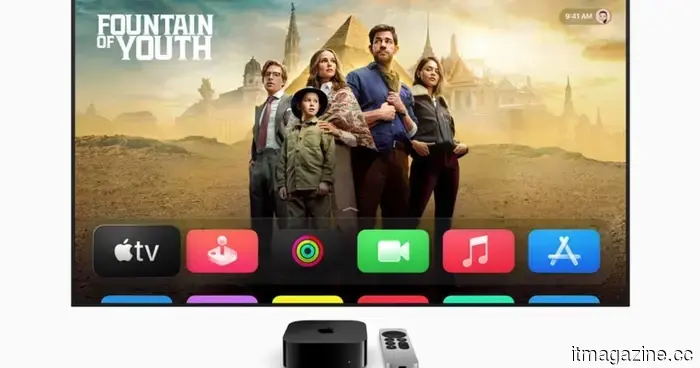 The Apple TV and HomePod mini featuring Apple Intelligence might arrive in 2027.
Apple's aspirations in AI might soon extend to the living room. A recent report indicates that revamped models of the Apple TV and HomePod mini are currently undergoing extensive testing, with the most significant modifications likely occurring internally rather than in their exterior design.
The Apple TV and HomePod mini featuring Apple Intelligence might arrive in 2027.
Apple's aspirations in AI might soon extend to the living room. A recent report indicates that revamped models of the Apple TV and HomePod mini are currently undergoing extensive testing, with the most significant modifications likely occurring internally rather than in their exterior design.
 A study reveals that almost 60% of TikTok videos presented to new users are low-quality AI-generated content.
A Kapwing analysis of 10,742 TikTok videos revealed that 59% of the content presented to new accounts consists of AI-generated material deemed low quality, which is three times more than what is found on YouTube Shorts.
A study reveals that almost 60% of TikTok videos presented to new users are low-quality AI-generated content.
A Kapwing analysis of 10,742 TikTok videos revealed that 59% of the content presented to new accounts consists of AI-generated material deemed low quality, which is three times more than what is found on YouTube Shorts.
Mrs. Dow Jones states that the American dream is "extremely dead" for young Americans.
Financial influencer Haley Sacks states that millennials and Gen Z are moving away from conventional wealth-building methods in favor of gambling and side hustles due to rising housing expenses.