
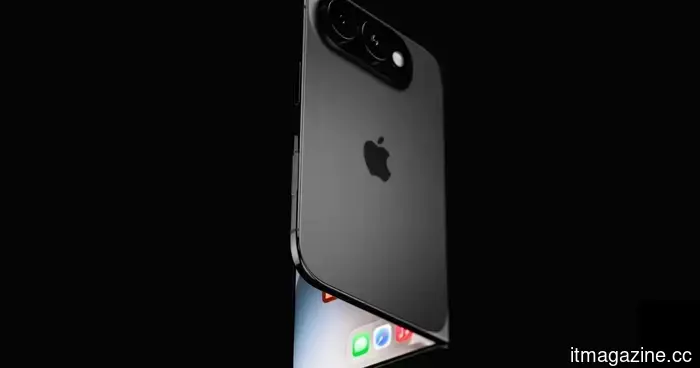
Apple has an impressive array of products planned for release later this year.
Front Page Tech / YouTube
Apple has spent a significant portion of the last year trying to catch up in the AI discussion, but if a recent report is to be believed, the company is gearing up to demonstrate that it still excels at hardware production. According to Bloomberg’s Mark Gurman, Apple has an exceptionally ambitious product plan that spans into late 2026 and 2027. While yearly iPhone updates are standard, the array of devices in development suggests the company is attempting to reinvent several product categories simultaneously. And honestly? It’s about time.
For years, Apple's product launches have largely adhered to a predictable pattern: faster chips, marginally improved cameras, and incremental enhancements to already leading products in their categories. This isn't necessarily a critique; those products continue to sell remarkably well. However, it hasn't exactly been a thrilling time for those eager to see Apple make bolder moves.
Apple's lineup appears to be exceptionally full
The initial wave of products is anticipated to launch later this year. Gurman states that Apple is set to unveil the iPhone 18 Pro and Pro Max, along with what could be its first foldable iPhone. This foldable device, referred to as the iPhone Ultra and aimed at the premium segment, would signal Apple’s long-awaited entry into a space that competitors like Samsung have explored for years.
MacRumors / MacRumors
The company’s wearables division may also see some updates. New Apple Watch models, including refreshed versions of the standard and Ultra models, are expected. In addition, Apple is reportedly developing revamped Macs, a new entry-level iPad that supports Apple Intelligence features, and possibly a new smart home hub. Gurman also highlights that updated versions of the Apple TV and HomePod mini are undergoing advanced testing. Each year, we expect new iPhones, Apple Watches, and Macs. What sets this year apart is the substantial number of products in the pipeline, making Apple’s upcoming roster appear unusually crowded.
From foldables to smart glasses, Apple is expanding its vision
The most exciting developments may not emerge until 2027, the year marking the iPhone’s 20th anniversary, for which Apple plans to celebrate in style. Gurman indicates that the company is preparing special anniversary-themed iPhone models to coincide with a second-generation foldable device. Moreover, Apple is reportedly working on AirPods equipped with built-in cameras that could transmit visual information for AI-driven experiences. The company is also said to be making strides towards introducing its first smart glasses—a product seen as Apple’s eventual answer to devices like Meta’s Ray-Ban smart glasses. If that wasn't enough, Gurman mentions that Apple is investigating a robotic tabletop device for home use and future iterations of its Vision headset platform.
Apple Glasses Gemini AI
Some of these products might still change, be delayed, or not launch at all, which is the nature of long-term planning. However, collectively, they indicate that Apple is preparing for a period that diverges significantly from the relatively cautious product strategies of recent years. The key question isn’t whether Apple can release all these devices but whether any of them could become the next iPhone, Apple Watch, or AirPod—a product category that truly revolutionizes how people interact with technology. That’s a high standard. But if Apple’s roadmap unfolds as Gurman suggests, the company will undoubtedly have many opportunities to meet it.
Shimul is a contributor at Digital Trends, bringing over five years of experience in the technology field.
iOS 27’s Liquid Glass slider appears straightforward, yet it's more beneficial than I anticipated
Let’s face it: few design changes in iOS have ignited as much debate as Liquid Glass. When Apple first rolled it out in iOS 26, it quickly divided the internet into two factions. Some users adored the fresh, translucent aesthetic, while others disliked it, claiming it hampered readability in some interface areas. Personally, I found myself in the first group. While using an iPhone 14 Pro Max, updating to the new design was one of my first actions. I loved how the updated look made iOS feel more contemporary and dynamic. The transparency effects provided the interface with depth, rejuvenating the overall experience.
Nevertheless, it’s understandable why not everyone shared my enthusiasm. After months of feedback, screenshots, hot takes, and ongoing discussions online, Apple eventually responded by allowing users greater control. Rather than imposing a single design, the company introduced options for users to select between a clearer glass effect and a more tinted version. With iOS 27, Apple gives you complete control over the Liquid Glass debate. A new slider allows you to customize the effect to your liking, whether you prefer a crystal-clear appearance or something gentler on the eyes. Here’s how it works and how to make the most of it on your iPhone.
Apple users are being targeted by a recognizable tech support scam
Apple users are encountering a new surge of fake iPhone and i


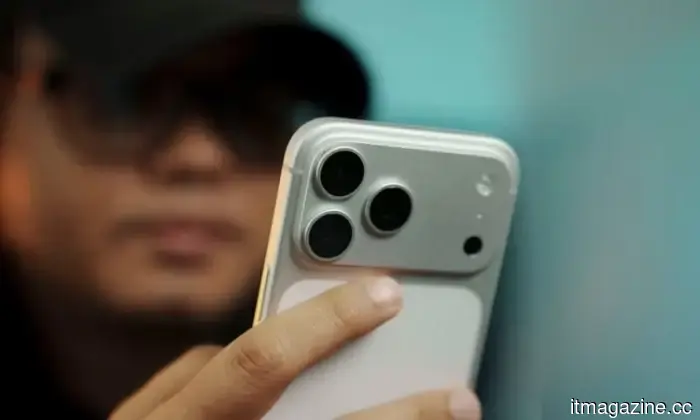

Other articles
 This complimentary Mac application adds beautiful glass-like widgets to your lock screen.
The Mac lock screen is typically quite bare. WidgetScreen enhances its functionality with free, transparent widgets that vanish as soon as you log in.
This complimentary Mac application adds beautiful glass-like widgets to your lock screen.
The Mac lock screen is typically quite bare. WidgetScreen enhances its functionality with free, transparent widgets that vanish as soon as you log in.
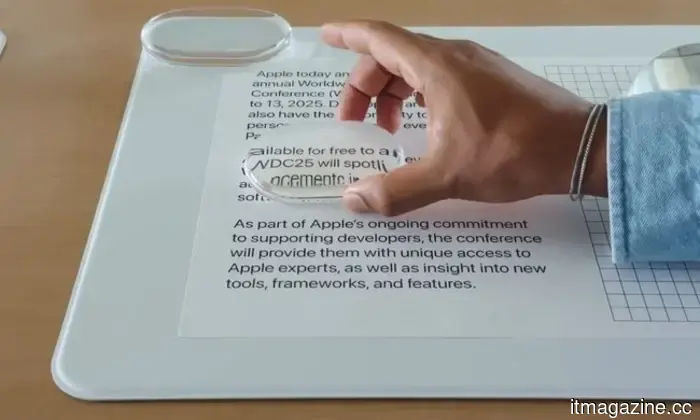
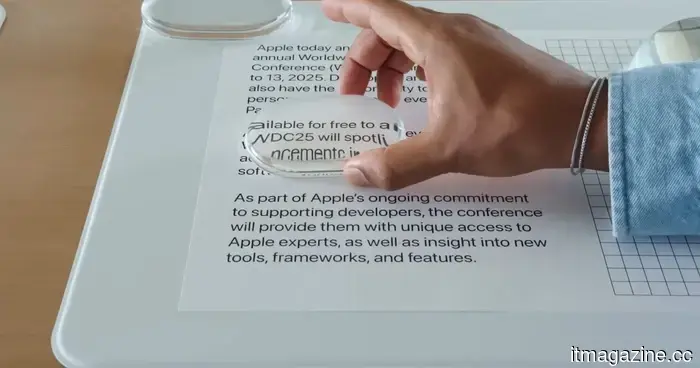 The Liquid Glass slider in iOS 27 may appear straightforward, but it proves to be more functional than I anticipated.
Having used iOS 27 on my iPhone for more than a week, I've discovered that the Liquid Glass slider is one of the most overlooked features of this update. Here’s an explanation of how it functions and why it’s worth giving a shot.
The Liquid Glass slider in iOS 27 may appear straightforward, but it proves to be more functional than I anticipated.
Having used iOS 27 on my iPhone for more than a week, I've discovered that the Liquid Glass slider is one of the most overlooked features of this update. Here’s an explanation of how it functions and why it’s worth giving a shot.
 If you own a Mac, you ought to check out this free and aesthetically pleasing disk space utility.
Radix is a free and open-source application for Mac that analyzes folders or drives and displays storage utilization using an interactive sunburst chart.
If you own a Mac, you ought to check out this free and aesthetically pleasing disk space utility.
Radix is a free and open-source application for Mac that analyzes folders or drives and displays storage utilization using an interactive sunburst chart.
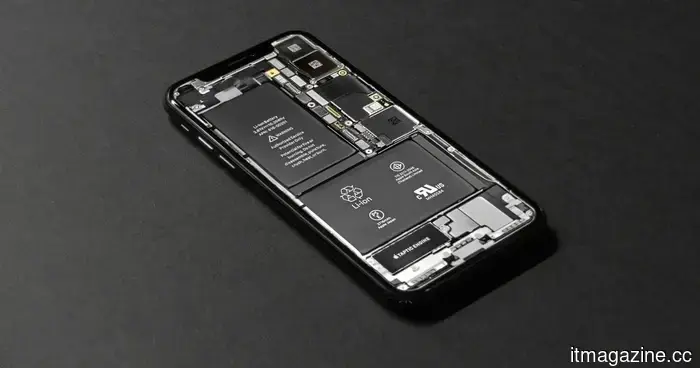 3D printed batteries may alleviate battery anxiety for your devices.
A fresh surge of startups is employing 3D printing to produce batteries that can conform to nearly any shape, which could revolutionize drones, wearable devices, electric vehicles, and upcoming technologies.
3D printed batteries may alleviate battery anxiety for your devices.
A fresh surge of startups is employing 3D printing to produce batteries that can conform to nearly any shape, which could revolutionize drones, wearable devices, electric vehicles, and upcoming technologies.
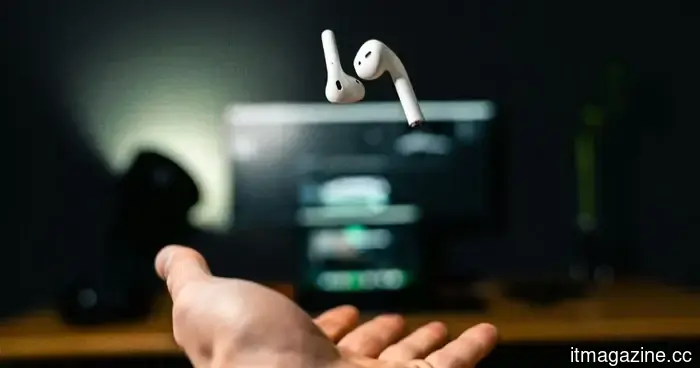 AirPods didn't destroy public life; they made it simpler to navigate through it.
AirPods are often criticized for contributing to antisocial behavior, yet these small earbuds have also become a common method for making noisy public environments more tolerable.
AirPods didn't destroy public life; they made it simpler to navigate through it.
AirPods are often criticized for contributing to antisocial behavior, yet these small earbuds have also become a common method for making noisy public environments more tolerable.
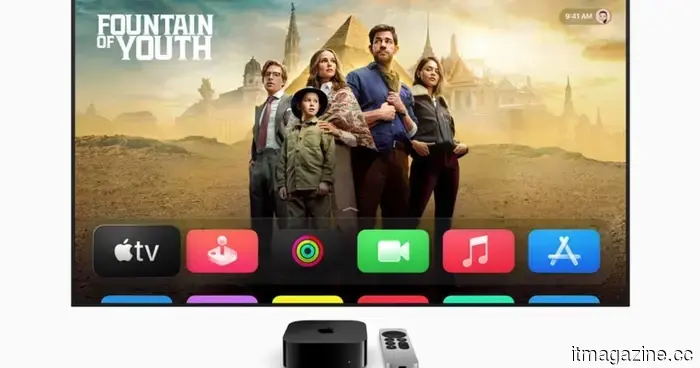 The Apple TV and HomePod mini featuring Apple Intelligence might arrive in 2027.
Apple's aspirations in AI might soon extend to the living room. A recent report indicates that revamped models of the Apple TV and HomePod mini are currently undergoing extensive testing, with the most significant modifications likely occurring internally rather than in their exterior design.
The Apple TV and HomePod mini featuring Apple Intelligence might arrive in 2027.
Apple's aspirations in AI might soon extend to the living room. A recent report indicates that revamped models of the Apple TV and HomePod mini are currently undergoing extensive testing, with the most significant modifications likely occurring internally rather than in their exterior design.
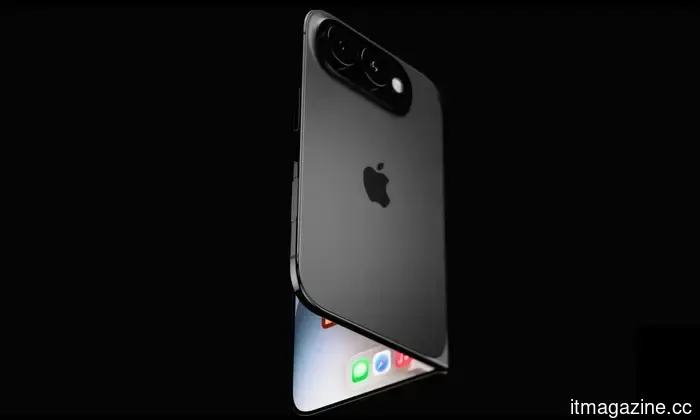
Apple has an impressive array of products planned for release later this year.
Apple might be preparing for one of its most active product cycles in recent years. With potential offerings including a foldable iPhone, AirPods with cameras, and smart glasses, the company's upcoming plans appear to be quite full.