
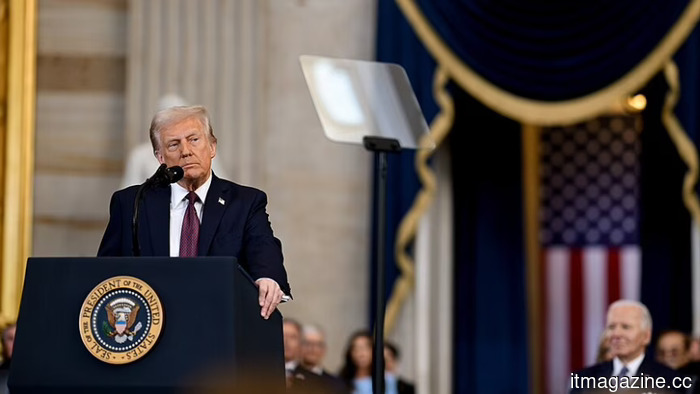
Trump stated that he no longer considers Anthropic a national security risk following his G7 meeting with the CEO.
TL;DR: Trump told Axios that Anthropic has “behaved very responsibly” and indicated he might relax restrictions on its Fable 5 and Mythos 5 AI models. In a pre-recorded interview with Axios, President Donald Trump stated he no longer considers Anthropic a national security threat, a significant change from the previous aggressive stance of his administration towards the AI company over the last three months. When asked if he sees Anthropic as a threat, Trump responded, “Well, not now. But a week ago, maybe,” adding that the company has “behaved very responsibly.”
These remarks come shortly after the Commerce Department issued a directive on June 12, requiring Anthropic to obtain US government approval before allowing foreign nationals to access its Fable 5 and Mythos 5 models, the company's most advanced AI systems. This order followed months of increasing tension between the administration and Anthropic due to the company's refusal to remove specific safety measures from its military products, which led to crisis-level discussions between Anthropic and Commerce officials last week.
Trump met with Anthropic CEO Dario Amodei on Wednesday during the G7 Summit in Évian-les-Bains, France, an interaction that seems to have influenced the president’s viewpoint. This meeting followed earlier discussions between Anthropic's senior technical staff and Trump administration officials earlier in the week. Trump told Axios that he would consider easing the restrictions, stating, “I would, but I’m not sure I have to do that,” in response to a question about potential rollbacks.
The origins of the dispute date back to March 2026 when the Pentagon identified Anthropic as a supply-chain risk after the company declined to remove guardrails associated with surveillance and autonomous weaponry from military products. Commerce Secretary Howard Lutnick subsequently sent a letter threatening criminal charges against the company, which drew criticism from tech industry groups and prompted lobbying from allied governments, including the UK, for exemptions.
The timing of Trump's conciliatory approach is crucial as Anthropic confidentially filed for an initial public offering in early June, with a valuation reported by Fortune at around $965 billion. The existing federal restrictions had created uncertainty regarding the IPO, and any indication of de-escalation from the White House could help stabilize investor confidence prior to the offering.
Trump characterized the situation as creating “tremendous liability” for the administration, acknowledging that the crackdown had faced backlash from both industry and allies. While he stated he would not shut down Anthropic, he did not commit to a specific timeline for lifting the Commerce Department's directive.
This shift does not eliminate the underlying conflict, as the Pentagon’s supply-chain designation still stands, and the June 12 order from the Commerce Department has not been officially rescinded. Anthropic has not publicly indicated whether it intends to change its guardrail policies to meet military demands.
What has changed is the political signal from the top: Trump seems open to negotiation rather than escalation. Amodei has been exploring various avenues to resolve the standoff. At the G7 summit, he and Google DeepMind CEO Demis Hassabis jointly proposed a US-led AI coalition to G7 leaders, framing Anthropic as a collaborative partner in American technology diplomacy rather than a regulatory adversary. This approach seems to have provided Amodei with direct access to Trump during a time when the president was more amenable.
Whether these positive comments will lead to policy changes remains uncertain. The Commerce Department operates with significant autonomy concerning export controls, and reversing a formal directive involves bureaucratic processes that a single interview cannot expedite. For Anthropic, the Axios interview represents a political victory, but the legal and regulatory constraints will persist until the administration takes action.
Other articles
 The number of AI tools that assist students in cheating is increasing, and the detectors are struggling to keep pace.
A surge of new applications is assisting students in submitting AI-generated homework to teachers without being noticed. Even the firms that produce AI detection tools are caught in this same dilemma.
The number of AI tools that assist students in cheating is increasing, and the detectors are struggling to keep pace.
A surge of new applications is assisting students in submitting AI-generated homework to teachers without being noticed. Even the firms that produce AI detection tools are caught in this same dilemma.
 AI agents require more than just reasoning abilities; they need to actively utilize the web.
A company launches an AI customer service assistant. The underlying model is modern and adequately equipped for the task. The assistant becomes operational. However, within a week, the support tickets worsen instead of improving. The issue does not lie with the model; rather, it’s the company's own website. The return policy that the assistant has to reference is located in [...]
AI agents require more than just reasoning abilities; they need to actively utilize the web.
A company launches an AI customer service assistant. The underlying model is modern and adequately equipped for the task. The assistant becomes operational. However, within a week, the support tickets worsen instead of improving. The issue does not lie with the model; rather, it’s the company's own website. The return policy that the assistant has to reference is located in [...]
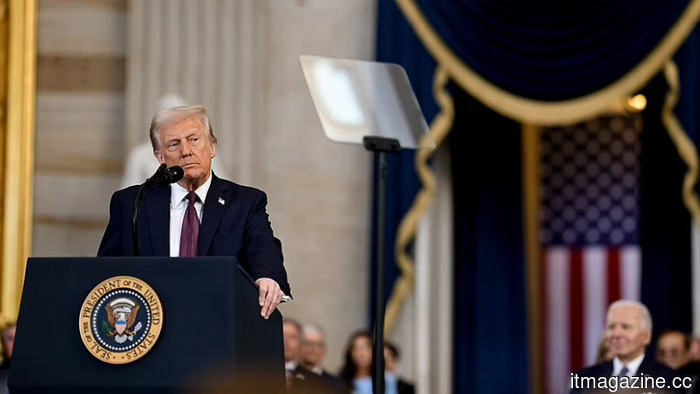 Trump states that he no longer considers Anthropic a national security risk following his G7 meeting with the company's CEO.
Trump mentioned to Axios that Anthropic has "acted very responsibly" and indicated that he might relax restrictions on its Fable 5 and Mythos 5 AI models.
Trump states that he no longer considers Anthropic a national security risk following his G7 meeting with the company's CEO.
Trump mentioned to Axios that Anthropic has "acted very responsibly" and indicated that he might relax restrictions on its Fable 5 and Mythos 5 AI models.
 The most recent leak of the iPhone Ultra reveals almost everything and features an eagerly anticipated iOS capability.
Prosser's latest video on the iPhone Ultra showcases what appears to be the final design and introduces the iOS feature that foldable users have been anticipating since it was introduced on Android in 2016.
The most recent leak of the iPhone Ultra reveals almost everything and features an eagerly anticipated iOS capability.
Prosser's latest video on the iPhone Ultra showcases what appears to be the final design and introduces the iOS feature that foldable users have been anticipating since it was introduced on Android in 2016.
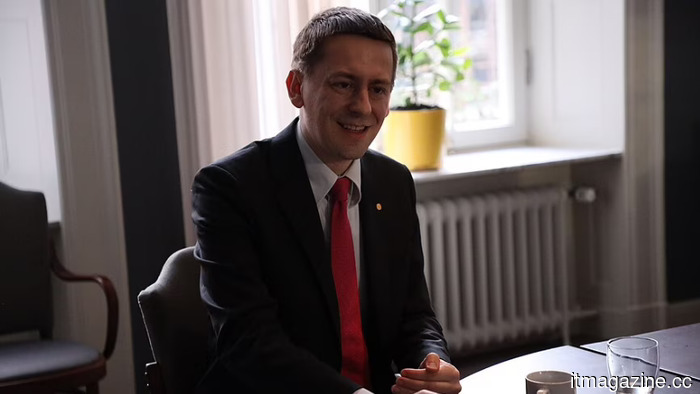 Nobel Prize winner John Jumper is departing from Google DeepMind to join Anthropic after almost nine years.
John Jumper, who received the 2024 Nobel Prize in Chemistry for AlphaFold, is departing from Google DeepMind to join Anthropic, just one day after Shazeer made his move to OpenAI.
Nobel Prize winner John Jumper is departing from Google DeepMind to join Anthropic after almost nine years.
John Jumper, who received the 2024 Nobel Prize in Chemistry for AlphaFold, is departing from Google DeepMind to join Anthropic, just one day after Shazeer made his move to OpenAI.
 This free application allows your photos to have the classic appearance of the Game Boy Camera, without requiring a cartridge.
Epilogue's latest Flashback app mimics the grainy, low-resolution photographic style of the Game Boy Camera, utilizing your phone's camera.
This free application allows your photos to have the classic appearance of the Game Boy Camera, without requiring a cartridge.
Epilogue's latest Flashback app mimics the grainy, low-resolution photographic style of the Game Boy Camera, utilizing your phone's camera.
Trump stated that he no longer considers Anthropic a national security risk following his G7 meeting with the CEO.
Trump informed Axios that Anthropic has "acted very responsibly" and indicated that he might relax restrictions on its Fable 5 and Mythos 5 AI models.