

A city halted the establishment of AI data centers, while Amazon investigated its engineers.
The backlash against AI data centers originally appeared to be an issue of local zoning. This week, it evolved into a conflict within Amazon. Three engineers from Amazon—Patrick Schloesser, Darius Irani, and Liesl Wigand—claim the company initiated an investigation against them after they testified before Seattle’s city council in support of regulating data centers. They have lodged a civil rights complaint alleging that Amazon retaliated against them for exercising their political speech, which is safeguarded by a Seattle ordinance. They assert that the inquiry started on June 10, just a day after the council enacted a moratorium halting new data center construction in the city.
The opposition has rapidly intensified. Grassroots organizations have obstructed or postponed 75 data center projects valued at a total of $130 billion in the first quarter of 2026 alone, and the number of active campaign groups has surged to 833 across 49 states. The grievances are tangible: increased electricity costs, extensive water consumption, and a persistent low-frequency noise that residents near some sites claim is disrupting their homes.
Moreover, opposition is no longer limited to the left. Here’s the twist: a conservative group in the US is now organizing a “Nationwide Day of Protest against the unchecked and unwanted expansion of AI data centers.” When both climate activists and the populist right express their dissatisfaction with the same development, it transitions from a NIMBY issue to a significant political force.
Not everyone is opposed, however. A community in southern Ohio is embracing what is promoted as the world’s largest AI data center, even though locals point out the minimal number of permanent jobs that will remain once construction is complete. This divide between towns that seek investment and those that feel overwhelmed reflects the true narrative.
Meanwhile, the federal government is heading in the opposite direction. As local communities resist, regulators have taken steps to expedite data center grid connections, targeting a turnaround of power requests within approximately 90 days, with the energy secretary emphasizing the urgency of maintaining competitiveness with China. Consequently, a grassroots, increasingly bipartisan backlash is colliding with a federal fast-track process. A resolution is necessary.
The Amazon situation is particularly significant. This case is crucial to observe because it shifts the struggle within the company itself. Large tech firms are familiar with internal dissent regarding their AI initiatives. However, launching an investigation against engineers for speaking at their local city council would represent a marked escalation.
The implications are clear. If the investigation proceeds, it sends a message to all other employees to remain silent. Conversely, if the complaint is successful, it provides the movement with a framework to follow. Either outcome signifies the conclusion of an era characterized by affordable land and unopposed approvals. The infrastructure that fuels the AI boom must now engage in discussions and debates at city councils, state legislatures, and increasingly, within its own corporate environments.
Other articles
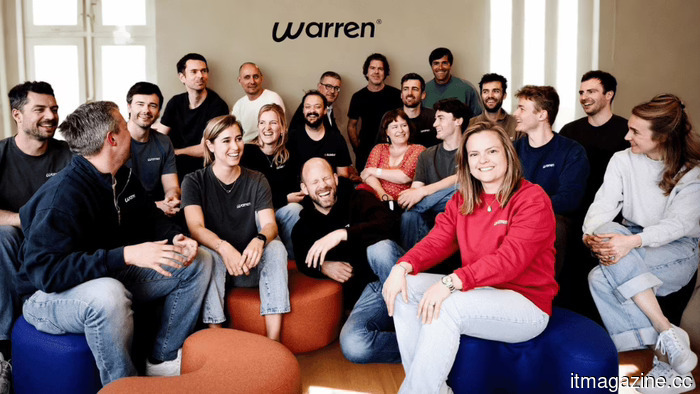 Warren secures €10 million to reform Belgium's workplace pension system.
Warren, a fintech company located in Ghent, has secured €10 million in funding, spearheaded by Motive Ventures, to address Belgium's workplace pension issues through a no-fee ETF fund and an AI coaching system.
Warren secures €10 million to reform Belgium's workplace pension system.
Warren, a fintech company located in Ghent, has secured €10 million in funding, spearheaded by Motive Ventures, to address Belgium's workplace pension issues through a no-fee ETF fund and an AI coaching system.
 macOS 27 Golden Gate: What we know about the upcoming features arriving on your Mac.
Apple's macOS Golden Gate update introduces Siri AI, Visual Intelligence, enhanced Apple Intelligence features, improvements to Liquid Glass, and a significant compatibility change for Mac users. Here's all the information you need.
macOS 27 Golden Gate: What we know about the upcoming features arriving on your Mac.
Apple's macOS Golden Gate update introduces Siri AI, Visual Intelligence, enhanced Apple Intelligence features, improvements to Liquid Glass, and a significant compatibility change for Mac users. Here's all the information you need.
 This research uncovered an unexpected benefit for mental health lurking in your game collection.
A recent study discovered that adults who engage in open-world games or casual titles feel less lonely and exhibit greater emotional resilience compared to those who do not play games at all.
This research uncovered an unexpected benefit for mental health lurking in your game collection.
A recent study discovered that adults who engage in open-world games or casual titles feel less lonely and exhibit greater emotional resilience compared to those who do not play games at all.
 The global consensus is that China is leading in the AI competition.
A Public First survey of 18,000 individuals across 15 nations revealed that a majority now perceives China as surpassing the US in AI capabilities, although China remains behind in terms of trust.
The global consensus is that China is leading in the AI competition.
A Public First survey of 18,000 individuals across 15 nations revealed that a majority now perceives China as surpassing the US in AI capabilities, although China remains behind in terms of trust.
 Gemini Live can now retain information from previous conversations.
Gemini Live can now remember information from earlier conversations, bridging a gap that has existed since the introduction of memory in standard Gemini over a year ago.
Gemini Live can now retain information from previous conversations.
Gemini Live can now remember information from earlier conversations, bridging a gap that has existed since the introduction of memory in standard Gemini over a year ago.
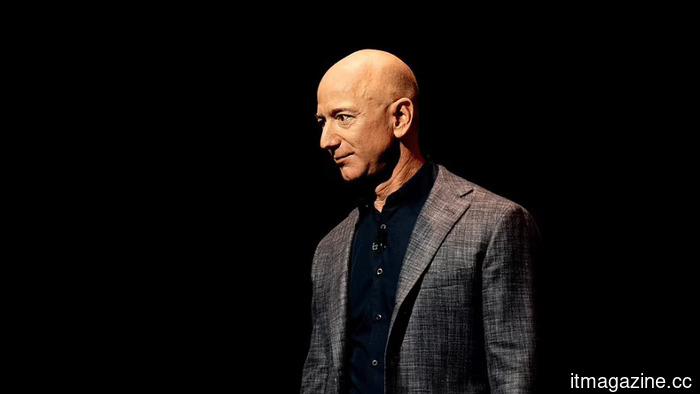 Big Tech claimed that AI would replace your job. Now employers are saying otherwise.
Jeff Bezos predicts that AI will lead to a shortage of labor, while Sam Altman expresses his pleasure in being mistaken about job losses. The layoffs and the timing of the IPO add complexity to the situation.
Big Tech claimed that AI would replace your job. Now employers are saying otherwise.
Jeff Bezos predicts that AI will lead to a shortage of labor, while Sam Altman expresses his pleasure in being mistaken about job losses. The layoffs and the timing of the IPO add complexity to the situation.
A city halted the establishment of AI data centers, while Amazon investigated its engineers.
Three Amazon engineers report that they were subjected to an investigation following their support for limits on Seattle's data centers. The opposition to the AI expansion has now gained bipartisan support and has become an internal matter.