

Samsung Display recently demonstrated that the future of XR might hinge on the development of improved small screens.
AWE USA's lineup integrates high-brightness OLEDoS, MR demonstrations, and glasses-free 3D concepts into a larger venture.
Samsung Display is leveraging AWE 2026 to promote RGB OLEDoS as a fundamental element for the forthcoming generation of XR devices. The exhibit focuses on displays designed specifically for mixed reality headsets and augmented reality smart glasses, where factors like brightness, size, and efficiency converge.
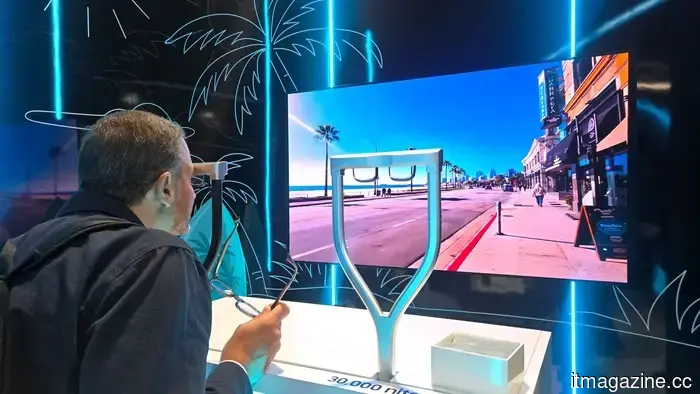
A key feature is a 1.3-inch RGB OLEDoS panel with a rating of 40,000 nits. Samsung Display is showcasing this panel in a dark-room installation called Big Dipper, where only two out of seven panels utilize this ultra-bright technology to highlight the disparity in brightness and color. This booth demonstration conveys a sharper underlying message.
The importance of brightness in user experience
XR displays face significant challenges. They must maintain vividness and accuracy while contending with factors like optics, battery life, heat, and weight.
Samsung Display's 40,000-nit panel directly targets these challenges. For headset or glasses-type devices, the display cannot merely be large and bright; it needs to deliver impressive visuals through compact optical systems without becoming cumbersome.
Additionally, Samsung Display's smaller 0.62-inch RGB OLEDoS panel also points toward addressing similar needs for smart glasses. The company is demonstrating this panel in a prototype that displays augmented reality information like translations, navigation, and weather against a backdrop of Long Beach.
Can RGB OLEDoS reduce hardware size?
Samsung Display is also presenting a case for production efficiency. RGB OLEDoS incorporates OLED on a wafer and employs a single-panel structure, which according to the company, can simplify manufacturing relative to alternative microdisplay methods.
This could support smart glasses manufacturers in pursuing slimmer designs since optical complexity is a significant hurdle between impressive demonstrations and practical wearable products. Additionally, Samsung Display notes that RGB OLEDoS eliminates the color filter used in white OLEDoS, enhancing light efficiency, lifespan, brightness, and color quality.
The understated engineering perhaps carries the most significance. XR devices become easier to wear when the display stack is simplified.
What's next after the showcase
Beyond headset and glasses panels, Samsung Display is expanding its exhibition. It's also introducing a stretchable display that can emerge from a flat surface, and a Light Field Display that produces 3D-like visuals without the need for glasses or a headset.
While these demonstrations clearly reflect the company’s ambitions, the commercial aspect remains incomplete. Samsung Display has not disclosed product timelines, customer identities, pricing, or availability details regarding the technologies showcased.
AWE USA serves as a preview rather than a launch. The real challenge will be whether Samsung Display can transform these RGB OLEDoS panels into production-ready components for headset and smart glass manufacturers aiming to enhance the XR experience.
Paulo Vargas transitioned from an English major to reporter to technical writer, maintaining a career path that has consistently led him back to…
Xreal Aura glasses aim to deliver Android functionality in a wearable format and are expected to be priced under $1,500.
Xreal Aura is progressing towards becoming a wearable device. The company has opened reservations for Xreal Aura, its Android XR-powered smart glasses developed in collaboration with Google. Previously known as Project Aura, this device is poised to be a critical early evaluation for Android XR beyond traditional headset technology.
Xreal positions Aura as a portable spatial computing device designed in a glasses format. It comprises lightweight glasses paired with a dedicated computing unit, allowing the more substantial processing and battery components to remain off the face.
Get ready to participate in a study measuring how the World Cup impacts your heart if you own a smartwatch.
Your emotional experiences during the World Cup could translate into valuable data for your smartwatch.
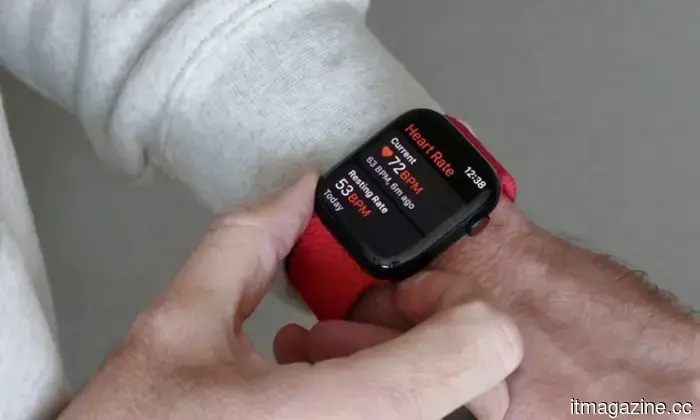
Experiencing the World Cup can be both thrilling and emotionally intense, often causing heart rates to rise. Now, your smartwatch could document just how much excitement your favorite team's victories or defeats evoke. Researchers at Bielefeld University invite football fans to take part in the World Cup Fever Study, which aims to leverage smartwatch and fitness tracker data to assess fans' physical reactions to matches in the 2026 FIFA World Cup.
The research will track heart rate, stress levels, movement, and sleep patterns to analyze how key football events like goals, victories, losses, and tense moments manifest physically.
Beats Studio Buds receive a significant update to rectify a concerning microphone vulnerability.
The security update addresses a Bluetooth-related issue that poses a risk concerning the earbuds' microphone before pairing is finalized.
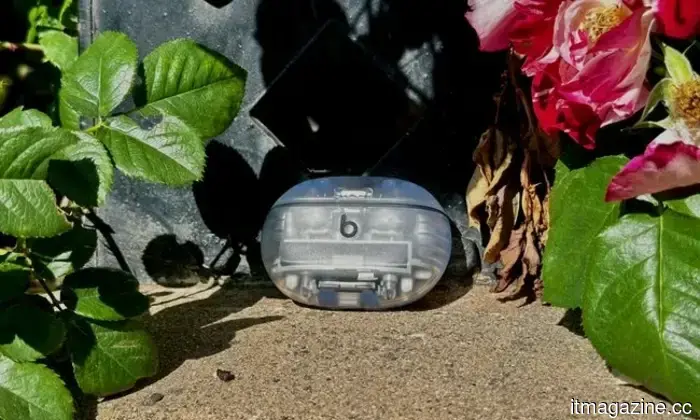
Apple's security update for Beats Studio Buds resolves a Bluetooth vulnerability related to the device's microphone that poses a potential risk during the setup phase. Firmware version 1B211 corrects a flaw affecting unpaired Beats Studio Buds searching for connection requests. According to Apple, an individual within Bluetooth range could possibly listen through the microphone under such conditions, highlighting the importance of the update despite the absence of new features.




Other articles
 Claude Design will now adhere to your brand guidelines rather than using generic AI-generated mockups.
Laude Design now constructs with your real brand elements, connects directly with Claude Code, and exports directly to platforms such as Canva, Adobe, Wix, and Vercel.
Claude Design will now adhere to your brand guidelines rather than using generic AI-generated mockups.
Laude Design now constructs with your real brand elements, connects directly with Claude Code, and exports directly to platforms such as Canva, Adobe, Wix, and Vercel.
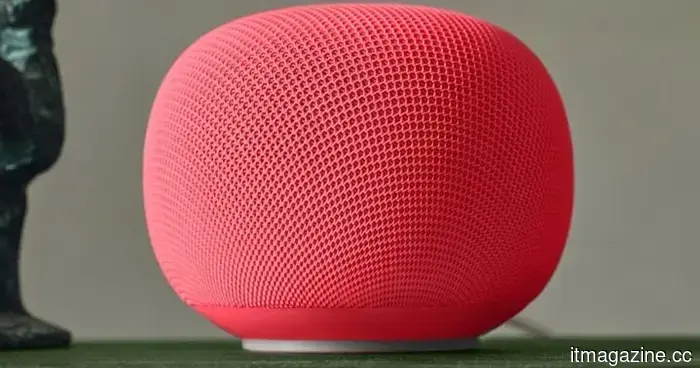 Google's latest Home Speaker, priced at $99, delivers 360-degree sound and advanced Gemini features.
Gemini takes the place of Google Assistant; it offers 360-degree audio and four color choices, while the Nest Audio has been officially discontinued.
Google's latest Home Speaker, priced at $99, delivers 360-degree sound and advanced Gemini features.
Gemini takes the place of Google Assistant; it offers 360-degree audio and four color choices, while the Nest Audio has been officially discontinued.
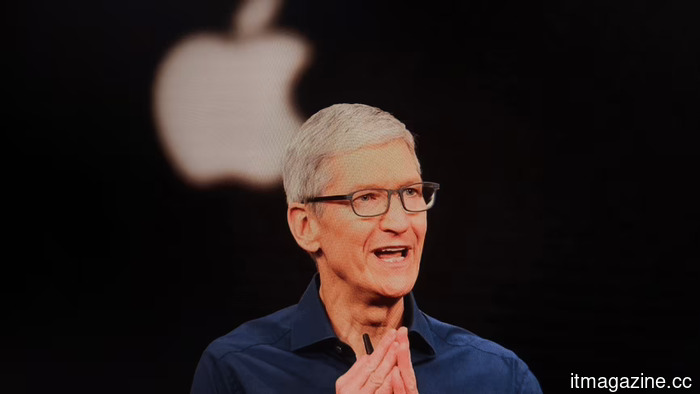 Apple investors are growing impatient with the delays in AI developments following WWDC.
Apple's stock lags behind the Nasdaq 100 by nine points this year. Following an underwhelming WWDC and the introduction of Siri AI as a beta, Wall Street is seeking tangible results rather than just plans.
Apple investors are growing impatient with the delays in AI developments following WWDC.
Apple's stock lags behind the Nasdaq 100 by nine points this year. Following an underwhelming WWDC and the introduction of Siri AI as a beta, Wall Street is seeking tangible results rather than just plans.
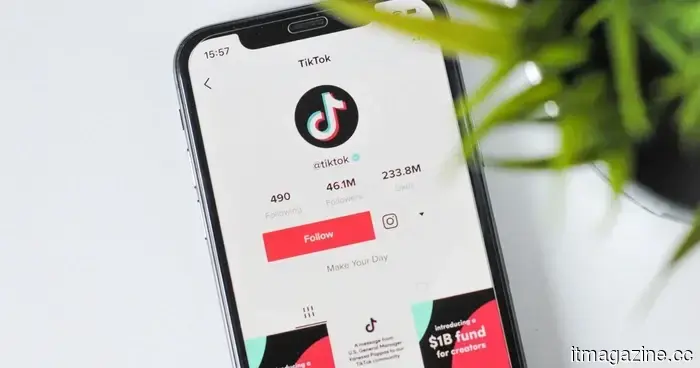 A study reveals that TikTok's feeds display AI-generated content three times more often than those on YouTube.
A recent report from Kapwing revealed that 59% of videos presented to newly created TikTok accounts consist of AI-generated content, which is approximately three times higher than the rate observed on YouTube.
A study reveals that TikTok's feeds display AI-generated content three times more often than those on YouTube.
A recent report from Kapwing revealed that 59% of videos presented to newly created TikTok accounts consist of AI-generated content, which is approximately three times higher than the rate observed on YouTube.
 The 2027 Taycan by Porsche features virtual E-Shift gears connected to genuine paddle shifters.
The 2027 Taycan from Porsche features eight virtual gears, paddles on the steering wheel, and shift jolts, in addition to a factory Manthey Kit for the Turbo GT.
The 2027 Taycan by Porsche features virtual E-Shift gears connected to genuine paddle shifters.
The 2027 Taycan from Porsche features eight virtual gears, paddles on the steering wheel, and shift jolts, in addition to a factory Manthey Kit for the Turbo GT.
 China promotes free AI for developing nations as the G7 discusses access to American models.
China's leading diplomat has proposed the establishment of a global organization for AI collaboration while the G7 deliberated on "trusted partner" access to American models. Two different perspectives on AI governance are emerging.
China promotes free AI for developing nations as the G7 discusses access to American models.
China's leading diplomat has proposed the establishment of a global organization for AI collaboration while the G7 deliberated on "trusted partner" access to American models. Two different perspectives on AI governance are emerging.
Samsung Display recently demonstrated that the future of XR might hinge on the development of improved small screens.
Samsung Display's AWE USA exhibition highlights RGB OLEDoS as a key element of its XR goals, featuring ultra-bright panels designed for MR headsets, prototype smart glasses, and future spatial display ideas.