
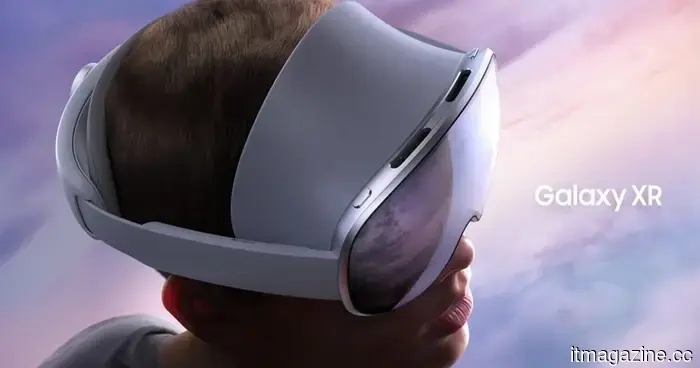
Samsung Display has demonstrated why the future of XR may rely on improved tiny screens.
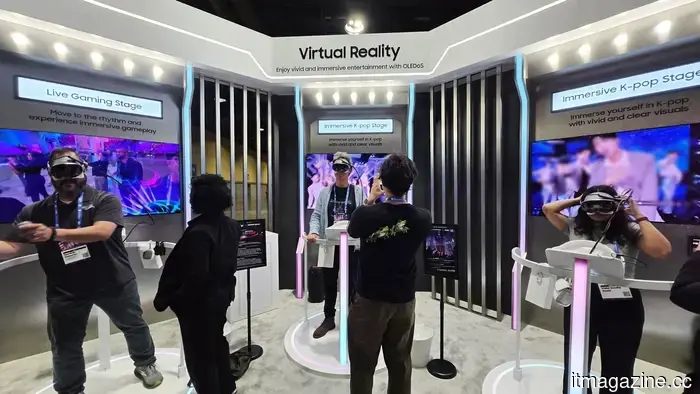
The AWE USA lineup integrates high-brightness OLEDoS, MR demonstrations, and glasses-free 3D concepts into a larger initiative.
Samsung Display is utilizing AWE 2026 to promote RGB OLEDoS as a fundamental component for the upcoming wave of XR devices. The focus is on displays tailored for mixed reality headsets and augmented reality smart glasses, where factors such as brightness, size, and efficiency all intersect.
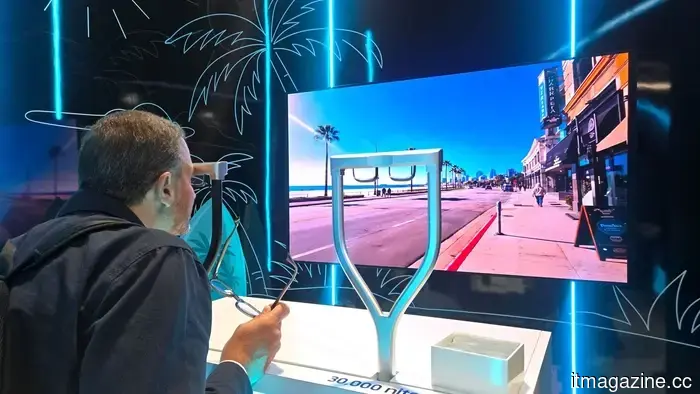
A notable feature is a 1.3-inch RGB OLEDoS panel that boasts an impressive 40,000 nits of brightness. Samsung Display is showcasing it in a dark-room installation called Big Dipper, with only two out of seven panels utilizing this ultra-bright technology to clearly illustrate the difference in brightness and color. It's a booth demonstration with a more profound message.
The Importance of Brightness in XR Experiences
XR displays face significant challenges, needing to maintain vibrant and accurate visuals while contending with optics, battery life, heat, and weight.
Samsung Display’s 40,000-nit panel directly addresses this challenge. In a headset or glasses-style device, simply having a large and bright display isn't sufficient. It must deliver strong visuals through compact optical systems without making the product cumbersome.
The company's smaller 0.62-inch RGB OLEDoS panel reflects a similar direction for smart glasses. Samsung Display is using it in a prototype that can display AR information, such as translations, navigation, and weather, against a backdrop of Long Beach.
Can RGB OLEDoS Reduce Hardware Size?
Samsung Display is also making a case for production efficiency. RGB OLEDoS involves building OLED on a wafer and employs a single-panel structure, which the company claims simplifies manufacturing compared to other microdisplay methods.
This could assist smart glasses manufacturers in pursuing thinner designs, as optical complexity is a significant barrier between impressive demonstrations and practical wearable products. Samsung Display also mentions that RGB OLEDoS omits the color filter found in white OLEDoS, enhancing light efficiency, lifespan, brightness, and color fidelity.
The less flashy engineering aspects may carry the most significance. XR becomes lighter and more comfortable when the display stack is simplified.
What Comes Next After the Showcase
Samsung Display is expanding its showcase beyond just headset and glasses panels. It is also revealing a stretchable display that can rise from a flat surface, as well as a Light Field Display that produces 3D-like images without the need for glasses or a headset.
These demonstrations underscore the company’s ambitions but leave the commercial details incomplete. Samsung Display has not disclosed product timelines, customer identities, pricing, or availability for the technologies displayed.
AWE USA serves as a showcase, not a launch. The true challenge is whether Samsung Display can transform these RGB OLEDoS panels into viable components for headset and smart-glass manufacturers aiming to make XR more user-friendly.
---
Paulo Vargas is an English major who transitioned into reporting and technical writing, with a career that frequently returns to...
Xreal Aura glasses bring Android directly to your face, aiming for a price below $1,500.
Xreal Aura attempts to condense an entire XR headset into a pair of glasses.
Xreal Aura is now closer to being a reality. The company has begun taking reservations for Xreal Aura, its smart glasses powered by Android XR, developed in collaboration with Google. Previously known as Project Aura, it appears to be a significant early trial for Android XR beyond traditional headset hardware.
Xreal is promoting Aura as a portable spatial computing device in a glasses format. It functions as more than just a standard pair of glasses that records or tracks notifications. Aura pairs lightweight glasses with a dedicated computing puck, allowing the bulkier processing and battery components to stay off your face.
---
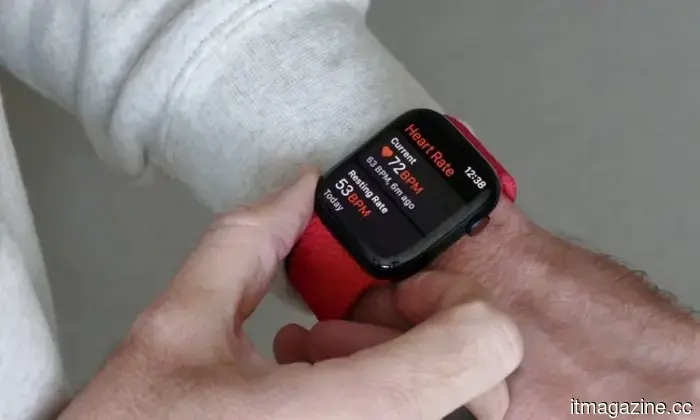
Do you have a smartwatch? You can now participate in a study measuring the impact of the football World Cup on your heart rate.
Your emotional ups and downs during the World Cup may yield valuable smartwatch data.
Engaging with the World Cup can be a thrilling experience that elevates your heart rate. Now, your smartwatch might be ready to monitor just how emotionally invested you became when your favorite team won or lost. Researchers from Bielefeld University are inviting football enthusiasts to join the World Cup Fever Study, a project that utilizes smartwatch and fitness tracker data to gauge fans' physiological responses to matches during the 2026 FIFA World Cup.
The study examines heart rate, stress levels, movement, and sleep to understand how football events such as goals, victories, defeats, and tense moments manifest in the body.
---
Beats Studio Buds Receive a Critical Update for a Concerning Microphone Issue.
The security update addresses a Bluetooth problem related to the earbuds' microphone prior to pairing.
Apple's Beats Studio Buds have received a security update to rectify a Bluetooth microphone issue with a concerning risk during the setup phase. Firmware version 1B211 fixes a vulnerability affecting Beats Studio Buds that are yet to be paired and


Other articles
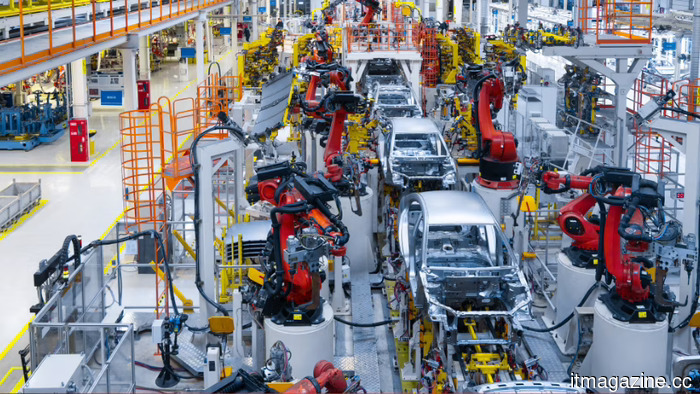 European automakers are shifting their focus to defense as demand for electric vehicles decreases and military budgets increase.
In the last week, Ineos, Daimler Truck, Mercedes-Benz, and Renault each revealed partnerships focused on military vehicles. The automotive sector is adapting for increased defense production.
European automakers are shifting their focus to defense as demand for electric vehicles decreases and military budgets increase.
In the last week, Ineos, Daimler Truck, Mercedes-Benz, and Renault each revealed partnerships focused on military vehicles. The automotive sector is adapting for increased defense production.
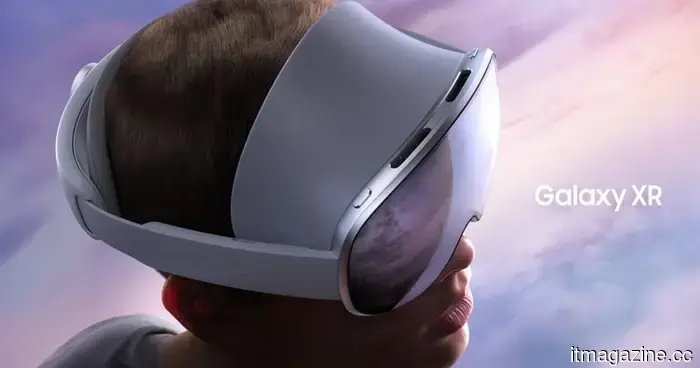 Samsung Display recently demonstrated that the future of XR might hinge on the development of improved small screens.
Samsung Display's AWE USA exhibition highlights RGB OLEDoS as a key element of its XR goals, featuring ultra-bright panels designed for MR headsets, prototype smart glasses, and future spatial display ideas.
Samsung Display recently demonstrated that the future of XR might hinge on the development of improved small screens.
Samsung Display's AWE USA exhibition highlights RGB OLEDoS as a key element of its XR goals, featuring ultra-bright panels designed for MR headsets, prototype smart glasses, and future spatial display ideas.
 PsiQuantum makes advancements in the development of a utility-scale quantum computer.
The Palo Alto startup has begun construction in Queensland, supported by A$940 million from the Australian government and $100 million from the US CHIPS Act. A functional machine is still years in the future.
PsiQuantum makes advancements in the development of a utility-scale quantum computer.
The Palo Alto startup has begun construction in Queensland, supported by A$940 million from the Australian government and $100 million from the US CHIPS Act. A functional machine is still years in the future.
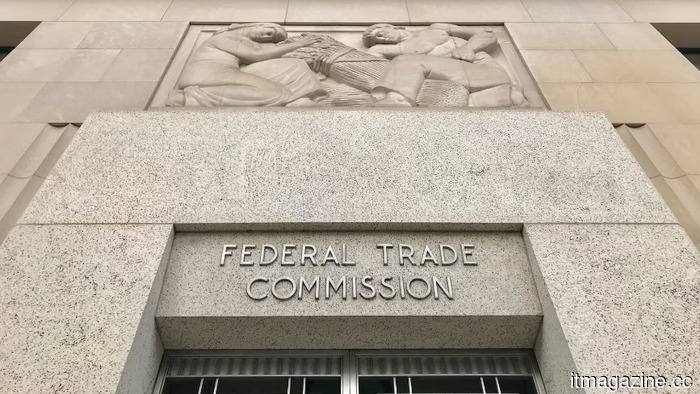 FTC halts extensive subscription business operating through shell companies in Cyprus and Delaware.
The FTC has secured a court order to freeze Genesis Tech, a group of 15 companies responsible for apps such as Nebula and MadMuscles, due to misleading subscription practices.
FTC halts extensive subscription business operating through shell companies in Cyprus and Delaware.
The FTC has secured a court order to freeze Genesis Tech, a group of 15 companies responsible for apps such as Nebula and MadMuscles, due to misleading subscription practices.
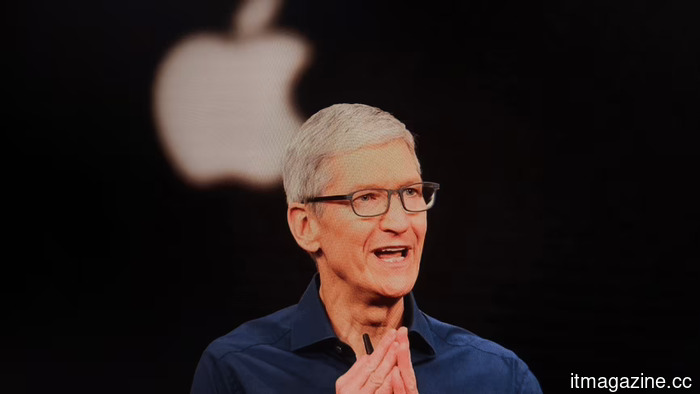 Apple investors are growing impatient with the delays in AI developments following WWDC.
Apple's stock lags behind the Nasdaq 100 by nine points this year. Following an underwhelming WWDC and the introduction of Siri AI as a beta, Wall Street is seeking tangible results rather than just plans.
Behavox secures $175 million from BlackRock's HPS for AI compliance initiatives.
The regtech firm, utilized by 10 out of the 24 most systemically significant banks globally, has secured its first equity funding since SoftBank's $100 million investment in 2020. It plans to focus on mergers and acquisitions as well as expanding its platform.
Apple investors are growing impatient with the delays in AI developments following WWDC.
Apple's stock lags behind the Nasdaq 100 by nine points this year. Following an underwhelming WWDC and the introduction of Siri AI as a beta, Wall Street is seeking tangible results rather than just plans.
Behavox secures $175 million from BlackRock's HPS for AI compliance initiatives.
The regtech firm, utilized by 10 out of the 24 most systemically significant banks globally, has secured its first equity funding since SoftBank's $100 million investment in 2020. It plans to focus on mergers and acquisitions as well as expanding its platform.
Samsung Display has demonstrated why the future of XR may rely on improved tiny screens.
Samsung Display's AWE USA exhibition highlights RGB OLEDoS as a key element of its XR goals, featuring ultra-bright screens for mixed reality headsets, prototype smart glasses, and long-term spatial display ideas.