
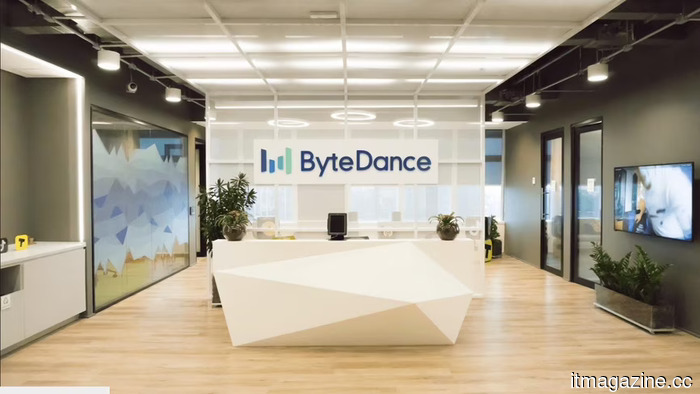
ByteDance is the largest AI client for Microsoft.
ByteDance has recently emerged as Microsoft’s largest AI client, with expectations to invest over $1 billion annually in Microsoft’s AI and cloud services, as reported by Bloomberg.
Notably, the primary focus of ByteDance’s purchases is OpenAI models, which are available via Microsoft’s Azure cloud, in a segment where OpenAI itself does not engage directly. Both OpenAI and Anthropic refrain from selling their models to companies based in China due to concerns over intellectual-property theft and potential misuse. However, Microsoft, through its unique partnership with OpenAI, establishes its own policies concerning China and continues to offer the GPT series there, along with other models, although Anthropic’s offerings are excluded.
ByteDance is joined by other significant AI model buyers such as Ant Group, Meituan, and Tencent, according to sources cited by Bloomberg.
Microsoft views this development as a positive opportunity rather than a concern. At a sales meeting in July 2025, the then-chief commercial officer Judson Althoff informed team members that Azure’s AI revenue was expanding more rapidly in China than in any other region, approximately tripling in the fiscal year ending June 2025, following a 400 percent increase the year prior, based on a transcript reviewed by Bloomberg. Althoff remarked, “The world’s most elite AI solutions are being built on the western coast of the United States and the eastern coast of China...The one company bringing those two places together is Microsoft.”
Despite this growth, Microsoft’s business in China remains relatively modest, representing around 1.5 percent of the company's total revenue in 2024, as stated by president Brad Smith during a congressional session.
The sensitivity surrounding these sales is notable amid mounting political tensions. American executives and lawmakers have characterized China's AI advancements as a potential existential threat to U.S. industry, leading Washington to recently impose stricter regulations on access to powerful American models.
OpenAI has privately expressed concerns that Microsoft is insufficiently preventing Chinese companies from replicating its models, a process known as distillation, according to Bloomberg. Microsoft contends that it employs automated monitoring and restricts sales to established businesses rather than individual developers. However, Chinese customers do not face the same level of scrutiny, and preventing synthetic-data training proves challenging.
Microsoft does adhere to certain limitations. According to its agreements with OpenAI, it does not host the models in its data centers located near Beijing and Shanghai, due to fears of intellectual property theft. Instead, customers access these models via the internet from facilities in other countries, such as Singapore.
In contrast, while ByteDance is procuring American models, it is simultaneously shifting towards domestic chip production for AI tasks. As reported by SCMP, the company is fast-tracking this transition and considering orders from various smaller Chinese suppliers, referred to as tier-two chipmakers, like Biren, MetaX, Iluvatar CoreX, Moore Threads, and Enflame, as Nvidia continues to face regulatory barriers in China.
As a result, ByteDance is engaging in a dual strategy during the AI cold war: leveraging the best AI models from the West through Microsoft while simultaneously strengthening its hardware capabilities at home. Consequently, Microsoft faces the challenge of discerning what its largest AI customer is ultimately training.
Other articles
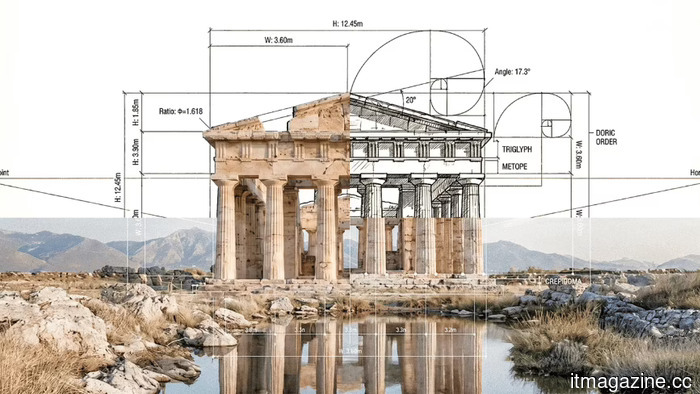 Pramaana Labs secures $27 million to ensure the verifiability of AI.
Pramaana Labs secured $27 million in funding, primarily from Khosla Ventures, to integrate LLMs with LEAN-based formal verification for critical applications in law, tax, and drug discovery.
Pramaana Labs secures $27 million to ensure the verifiability of AI.
Pramaana Labs secured $27 million in funding, primarily from Khosla Ventures, to integrate LLMs with LEAN-based formal verification for critical applications in law, tax, and drug discovery.
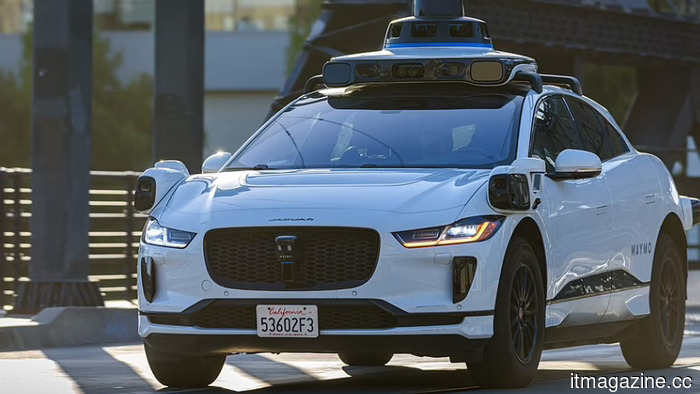 Waymo has announced its sixth recall following incidents where robotaxis entered highway construction zones on 13 occasions.
Waymo recalled approximately 4,000 robotaxis following 13 reports of vehicles entering closed highway construction areas. A passenger who feared for their life received three complimentary rides.
Waymo has announced its sixth recall following incidents where robotaxis entered highway construction zones on 13 occasions.
Waymo recalled approximately 4,000 robotaxis following 13 reports of vehicles entering closed highway construction areas. A passenger who feared for their life received three complimentary rides.
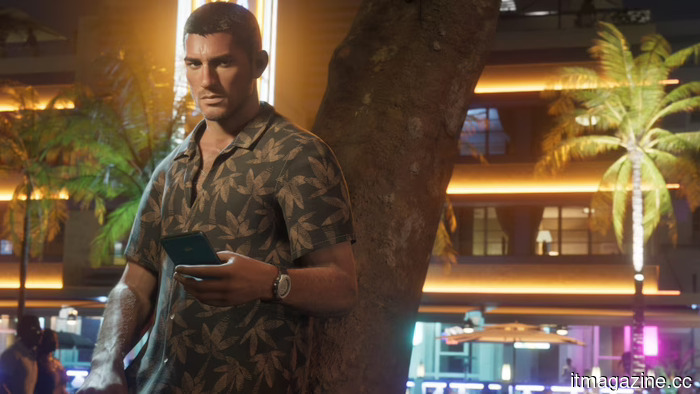 Pre-orders for GTA VI will begin on June 25. Rockstar has unveiled the cover art, but the pricing has not been announced yet.
Rockstar has announced that pre-orders for GTA VI will begin on June 25. The cover art showcases Jason, Lucia, and Vice City. The game's release date is set for November 19, but no pricing details have been revealed.
Pre-orders for GTA VI will begin on June 25. Rockstar has unveiled the cover art, but the pricing has not been announced yet.
Rockstar has announced that pre-orders for GTA VI will begin on June 25. The cover art showcases Jason, Lucia, and Vice City. The game's release date is set for November 19, but no pricing details have been revealed.
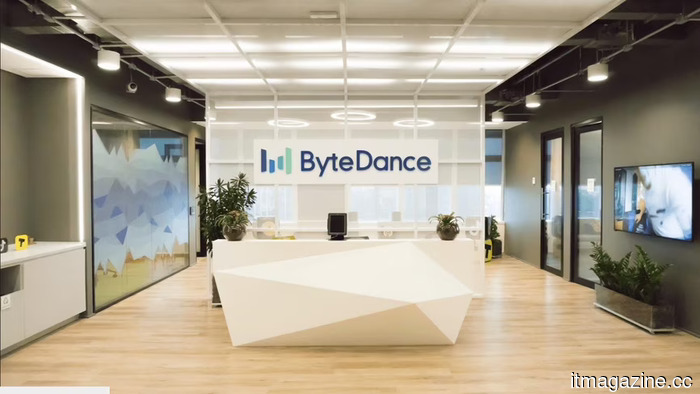 ByteDance is the largest AI client of Microsoft.
ByteDance is set to invest $1 billion annually with Microsoft, primarily for OpenAI models, in a sector that both OpenAI and Anthropic choose not to directly engage with.
ByteDance is the largest AI client of Microsoft.
ByteDance is set to invest $1 billion annually with Microsoft, primarily for OpenAI models, in a sector that both OpenAI and Anthropic choose not to directly engage with.
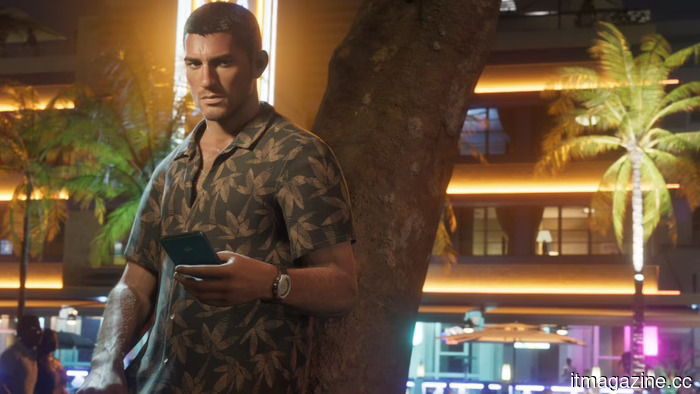 Pre-orders for GTA VI will begin on June 25. Rockstar has unveiled the cover art, but the price has not been announced yet.
Rockstar has announced that pre-orders for GTA VI will begin on June 25. The cover art showcases Jason, Lucia, and Vice City. The game's release date is set for November 19, but pricing has not yet been revealed.
Pre-orders for GTA VI will begin on June 25. Rockstar has unveiled the cover art, but the price has not been announced yet.
Rockstar has announced that pre-orders for GTA VI will begin on June 25. The cover art showcases Jason, Lucia, and Vice City. The game's release date is set for November 19, but pricing has not yet been revealed.
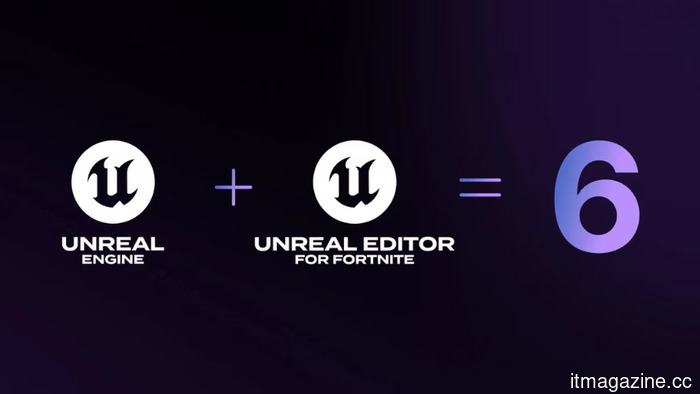 Unreal Engine 6 AI: Epic develops Claude and Gemini.
Unreal Engine 6 will enable studios to integrate Claude, Gemini, or any model into their game development, despite 52% of developers believing that generative AI is detrimental to the industry.
Unreal Engine 6 AI: Epic develops Claude and Gemini.
Unreal Engine 6 will enable studios to integrate Claude, Gemini, or any model into their game development, despite 52% of developers believing that generative AI is detrimental to the industry.
ByteDance is the largest AI client for Microsoft.
ByteDance is set to invest $1 billion annually with Microsoft, primarily focusing on OpenAI models, in a market that OpenAI and Anthropic are unwilling to directly engage with.