

Meloni states that children can easily circumvent social media restrictions.
Italian Prime Minister Giorgia Meloni stated on Wednesday that her government will not initiate a social media ban for teenagers, diverging from the strategies of Britain and France. “I am not opposed to a social media ban for those under 16, but I am not convinced that this measure alone can solve the issue, as such bans can be easily evaded,” she expressed to reporters following the G7 summit in Évian-les-Bains.
Her remarks position Italy as a notable outlier among major European nations regarding age-based restrictions, which have become the standard policy response to increasing worries about children's mental health and online safety.
Meloni contended that bans tend to “partially shift the issue onto families” and that limitations are ineffective unless governments exert more pressure on platforms to “fulfill their responsibilities.” This perspective reframes the discourse from monitoring children's access to demanding fundamental changes from the companies that benefit from user engagement.
Although she maintained that she is not fundamentally against a ban for those under 16, Meloni indicated that her government has chosen not to propose a decree or legislation, allowing parliament members to guide the conversation instead. Several political parties in Italy have suggested bills to limit minors' access to social media, but none have been passed.
The European rush to implement restrictions is evident as earlier this week, Britain announced plans to prohibit under-16s from accessing social media, with Prime Minister Keir Starmer aiming to legislate this before Christmas and put it into effect by early 2027. The restrictions are expected to cover not only traditional platforms but also gaming applications and AI chatbots, representing the broadest scope suggested by a major democracy to date.
France plans to impose a ban for those under 15 later this year, starting enforcement in September. Canada has also moved to restrict users under 16, with its Digital Safety Act encompassing both social media and AI chatbots.
However, initial evidence from Australia, which introduced a ban for those under 16 in December, indicates that enforcement is more challenging than implementing legislation. The Australian government has accused Meta, TikTok, and YouTube of non-compliance, supporting Meloni’s assertion that bans without platform cooperation are ineffective.
At the G7 summit, leaders, including US President Donald Trump, approved a declaration focused on protecting children online that does not mention prohibiting access to social media. The US had expressed apprehensions regarding the British ban, cautioning against a one-size-fits-all approach.
The declaration advocates for safety-by-design principles, age-appropriate recommendation systems, and measures to address AI-generated child sexual abuse material. It aligns more closely with the EU’s Digital Services Act, which imposes content moderation and transparency requirements on platforms, rather than the outright bans favored by London and Paris.
Published June 17, 2026 - 6:37 pm UTC
Other articles
 Currently, 50% of Americans utilize AI chatbots; however, 40% believe that AI will negatively impact society, and two-thirds express distrust in the government's ability to regulate it.
A survey conducted by Pew Research involving 5,119 adults in the US revealed that 49% utilize AI chatbots, while 40% believe AI will negatively impact society, and 67% express minimal confidence in government regulation.
Currently, 50% of Americans utilize AI chatbots; however, 40% believe that AI will negatively impact society, and two-thirds express distrust in the government's ability to regulate it.
A survey conducted by Pew Research involving 5,119 adults in the US revealed that 49% utilize AI chatbots, while 40% believe AI will negatively impact society, and 67% express minimal confidence in government regulation.
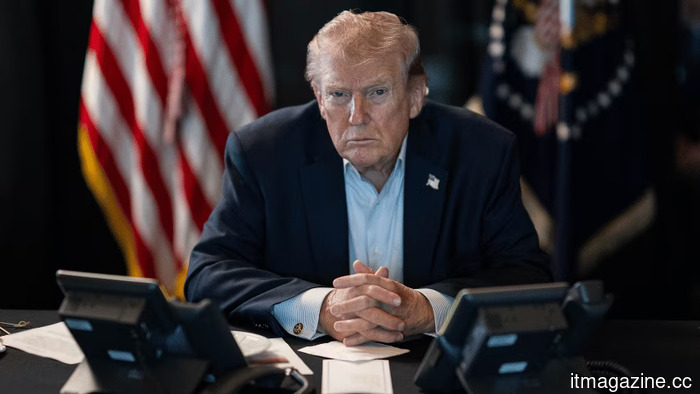 Trump turns down UK's request for an exemption from the Anthropic AI ban.
Starmer's administration advocated for the UK to be excluded from the Anthropic export restrictions. Washington responded with "zero chance," revealing Britain's reliance on AI.
Trump turns down UK's request for an exemption from the Anthropic AI ban.
Starmer's administration advocated for the UK to be excluded from the Anthropic export restrictions. Washington responded with "zero chance," revealing Britain's reliance on AI.
 Meloni states that kids can easily circumvent social media bans.
Italy's Prime Minister stated at the G7 that prohibiting children from social media is "easily bypassed" and that it is the platforms, rather than parents, who should be held accountable.
Meloni states that kids can easily circumvent social media bans.
Italy's Prime Minister stated at the G7 that prohibiting children from social media is "easily bypassed" and that it is the platforms, rather than parents, who should be held accountable.
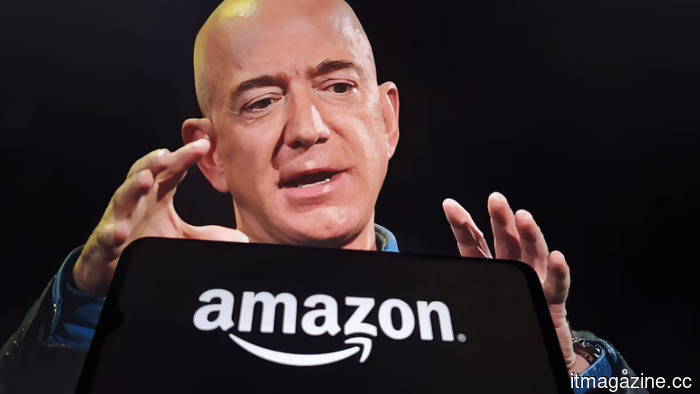 The head of Amazon's AI division acknowledges that their models are behind those of OpenAI and Anthropic.
Peter DeSantis mentions that Amazon's AI models "haven't been at the forefront" and expresses his hope to narrow the gap within a year, utilizing custom chips and exclusive data.
The head of Amazon's AI division acknowledges that their models are behind those of OpenAI and Anthropic.
Peter DeSantis mentions that Amazon's AI models "haven't been at the forefront" and expresses his hope to narrow the gap within a year, utilizing custom chips and exclusive data.
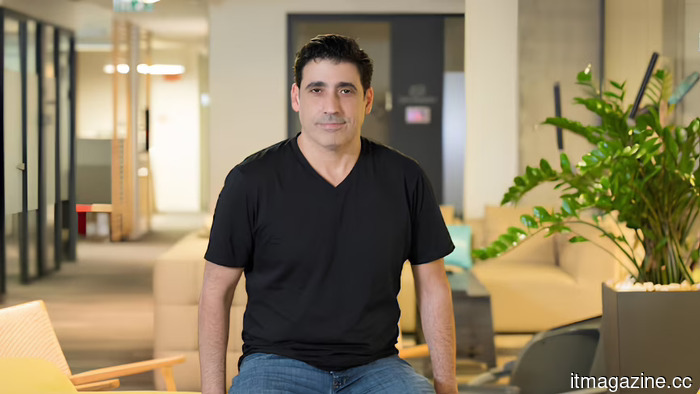 Reasons CMOs require a new accountability operating system.
Perion's CEO, Tal Jacobson, discusses why the accountability gap for Chief Marketing Officers is an issue related to infrastructure rather than measurement. He also highlights how AI-driven execution is transforming the way marketing demonstrates its impact on business.
Reasons CMOs require a new accountability operating system.
Perion's CEO, Tal Jacobson, discusses why the accountability gap for Chief Marketing Officers is an issue related to infrastructure rather than measurement. He also highlights how AI-driven execution is transforming the way marketing demonstrates its impact on business.
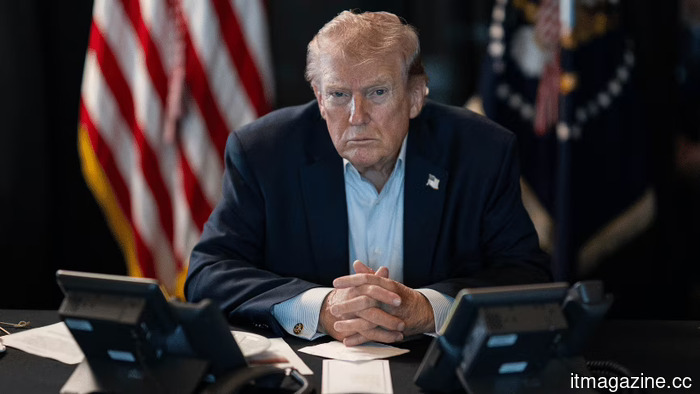 Trump declines UK request for exemption from Anthropic AI ban.
Starmer's administration advocated for the UK to be exempt from the Anthropic export ban. Washington responded with "zero chance," highlighting Britain's reliance on AI.
Trump declines UK request for exemption from Anthropic AI ban.
Starmer's administration advocated for the UK to be exempt from the Anthropic export ban. Washington responded with "zero chance," highlighting Britain's reliance on AI.
Meloni states that children can easily circumvent social media restrictions.
Italy's Prime Minister stated at the G7 that prohibiting children from using social media is "easily bypassed" and that it should be the platforms, rather than parents, who take on the responsibility.