
Florida takes legal action against TikTok concerning its law on social media for children.
Florida has filed a lawsuit against TikTok, alleging that the app has violated the state's law that restricts minors' access to social media and has misled parents regarding the content their children might encounter. Attorney General James Uthmeier announced the lawsuit on June 15, submitting it to the St. Lucie County Circuit Court.
The complaint claims that TikTok unlawfully allowed minors to access the platform, misrepresented the nature of the content available to them, and incorporated addictive design features aimed at encouraging prolonged use by children.
The lawsuit references two legal statutes: House Bill 3, Florida's law governing minors' use of social media, and the Florida Deceptive and Unfair Trade Practices Act. The state is seeking an injunction, civil penalties, and other forms of relief.
The law at the heart of this case is stringent. HB 3, effective January 1, 2025, prohibits children under 14 from having any social media accounts and mandates that 15- and 16-year-olds obtain parental consent prior to registering.
This lawsuit is the first significant enforcement action Florida has taken under this law, making it a crucial test of both the statute and the company involved.
The outcome is significant because similar age-restriction laws have faced legal challenges across the United States, where courts have often weighed them against First Amendment rights claimed by the platforms and free speech advocates.
Florida is seeking a court's ruling on HB 3 as it applies to TikTok, and the case's outcome will indicate how well the law withstands constitutional scrutiny.
Florida has taken a proactive approach in this area, being the first state to sue OpenAI and holding Sam Altman personally accountable concerning ChatGPT's impact on children. Additionally, HB 3 is among the strictest laws regulating social media for those under 16 in the nation.
The TikTok lawsuit reflects Florida's strategy to take the lead on child safety enforcement in technology, rather than waiting for slow federal action.
TikTok is already a familiar entity facing legal challenges in this domain, having encountered numerous child-safety lawsuits from states and school districts, many of which were settled before reaching trial. The company has generally asserted that it provides parental controls and age-appropriate safety measures, though details of its response to the Florida lawsuit were not included in the initial reports.
In other comments, the company has claimed to offer parental controls, age-appropriate experiences, and features that help limit the time younger users spend on the app, often disputing the basis of several state actions instead of settling them directly.
The political context was quite clear. "Time is up," Uthmeier stated while announcing the lawsuit, framing it as an effort to enforce existing laws. The central questions raised by this filing will be whether the courts find TikTok in violation of the law and how HB 3 will hold up under judicial examination.
Other articles
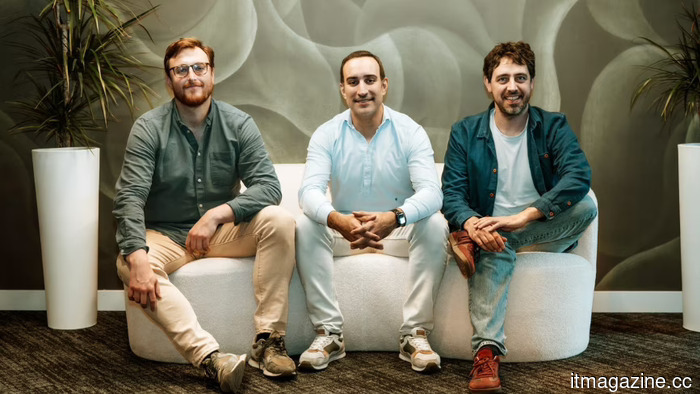 Exclusive: Optiak secures €4 million to develop an orchestration layer for enterprise AI.
Optiak, established by former members of DeepMind, Amazon, and Stripe, has secured €4 million in pre-seed funding, with Market One Capital leading the round. The company aims to bridge the gap between enterprise AI applications and the models that support them.
Exclusive: Optiak secures €4 million to develop an orchestration layer for enterprise AI.
Optiak, established by former members of DeepMind, Amazon, and Stripe, has secured €4 million in pre-seed funding, with Market One Capital leading the round. The company aims to bridge the gap between enterprise AI applications and the models that support them.
 Ukraine obtains access to the EU's emergency cyber response system in light of significant attacks.
The EU Council has included Ukraine in the EU Cybersecurity Reserve, allowing it to request incident-response services from reliable private providers during significant attacks.
Ukraine obtains access to the EU's emergency cyber response system in light of significant attacks.
The EU Council has included Ukraine in the EU Cybersecurity Reserve, allowing it to request incident-response services from reliable private providers during significant attacks.
 Sagabox: Shaping the Future of Digital Storytelling
How a mobile-optimized platform is meeting the worldwide demand for serialized romance and fantasy fiction. The way people engage with reading has transformed significantly in recent years. Nowadays, readers frequently reach for their phones for a brief escape, whether it’s through social media or gaming. Sagabox has adopted this mobile-focused method of storytelling and has established a space for […]
Sagabox: Shaping the Future of Digital Storytelling
How a mobile-optimized platform is meeting the worldwide demand for serialized romance and fantasy fiction. The way people engage with reading has transformed significantly in recent years. Nowadays, readers frequently reach for their phones for a brief escape, whether it’s through social media or gaming. Sagabox has adopted this mobile-focused method of storytelling and has established a space for […]
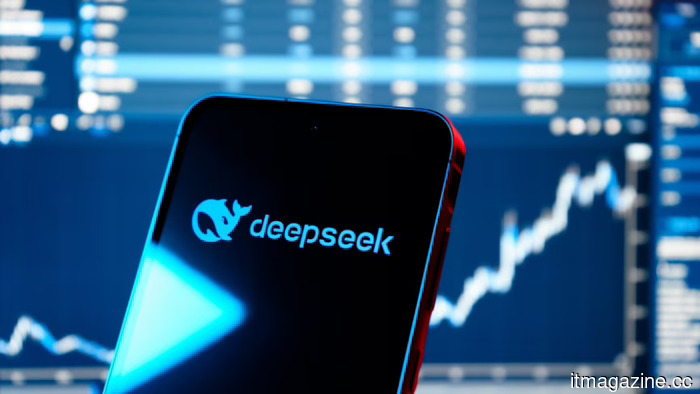 DeepSeek completes a funding round exceeding $7 billion with a unique structure.
DeepSeek has secured its initial external funding, exceeding $7 billion, with founder Liang Wenfeng contributing a controlling stake and Tencent and CATL being the primary investors.
DeepSeek completes a funding round exceeding $7 billion with a unique structure.
DeepSeek has secured its initial external funding, exceeding $7 billion, with founder Liang Wenfeng contributing a controlling stake and Tencent and CATL being the primary investors.
 Samsung introduces the Galaxy Book6 Edge featuring the Snapdragon X2 Elite and enhancements from Galaxy AI.
Samsung has introduced the Galaxy Book6 Edge, featuring Qualcomm's Snapdragon X2 Elite chip, Galaxy AI capabilities, and a slim design aimed at enhancing Copilot+ experiences.
Samsung introduces the Galaxy Book6 Edge featuring the Snapdragon X2 Elite and enhancements from Galaxy AI.
Samsung has introduced the Galaxy Book6 Edge, featuring Qualcomm's Snapdragon X2 Elite chip, Galaxy AI capabilities, and a slim design aimed at enhancing Copilot+ experiences.
 Samsung unveils the Galaxy Book6 Edge, equipped with Snapdragon X2 Elite and enhanced Galaxy AI features.
Samsung has introduced the Galaxy Book6 Edge featuring Qualcomm's Snapdragon X2 Elite chip, Galaxy AI capabilities, and a slender design optimized for Copilot+ experiences.
Samsung unveils the Galaxy Book6 Edge, equipped with Snapdragon X2 Elite and enhanced Galaxy AI features.
Samsung has introduced the Galaxy Book6 Edge featuring Qualcomm's Snapdragon X2 Elite chip, Galaxy AI capabilities, and a slender design optimized for Copilot+ experiences.
Florida takes legal action against TikTok concerning its law on social media for children.
The attorney general of Florida filed a lawsuit against TikTok, claiming the platform violated the state's social media law for individuals under 16 and deceived parents, marking the initial significant enforcement action under HB 3.