
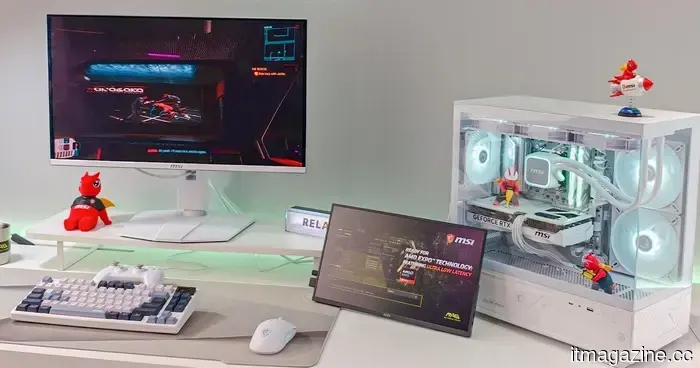
The Major PC Hardware Trends from Computex 2026
Every Computex event features announcements that capture headlines. There's always a new faster processor, a more dazzling graphics card, or a laptop that's even thinner than before. However, after spending several days exploring Computex 2026, interacting with engineers, testing various products, and occasionally getting lost among exhibition booths, my takeaway was quite different. This year's showcase wasn't solely about individual products; it was more about the industry's overall trajectory. Instead of pursuing flashy specs merely for marketing presentations, manufacturers seem to be concentrating on addressing genuine issues.
The MacBook Neo impact is undeniable
Companies may not openly acknowledge it, but Apple's MacBook Neo disrupted the PC market by demonstrating that a thin, silent, and premium-looking laptop can be affordable. Its combination of remarkable performance, outstanding battery life, and competitive pricing has compelled Windows manufacturers to reconsider their priorities.
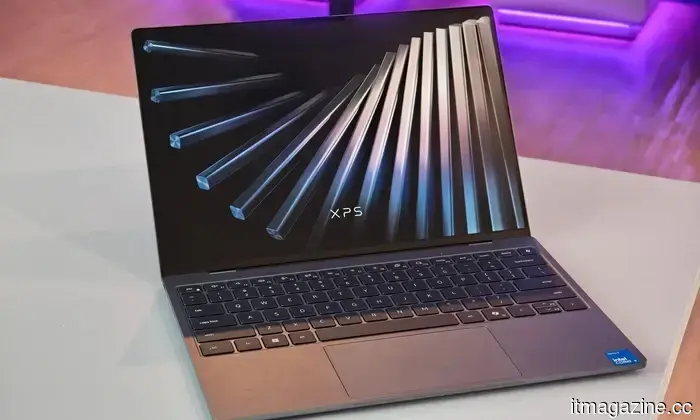
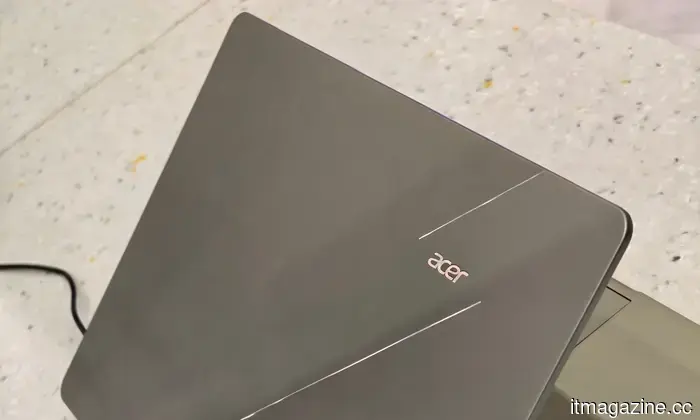
Products like the updated Dell XPS 13 (2026) and Acer Swift 14 AI are no longer attempting to outperform heavy gaming laptops. Instead, they aim to provide top-notch build quality, all-day battery life, lower heat emission, dedicated NPUs, and hardware-level AI acceleration in sleek, portable designs while also striving to make these experiences more attainable for average consumers instead of luxury options.
A clear illustration of this shift is Intel's Project Firefly, a design initiative aimed at developing ultra-light AI PCs that prioritize day-to-day efficiency over sheer processing power. The discussion has shifted from maximizing raw performance to understanding how much power users genuinely require, placing greater emphasis on portability, battery life, silent operation, and affordability as key selling points. As a frequent laptop reviewer, I genuinely appreciate this shift. While raw performance is still important, carrying an oversized power brick with me isn't practical.
AI is finally proving its usefulness
If there was one term that dominated conversations at Computex, it was AI. Thankfully, this year it felt less like a buzzword and more like a genuine improvement to everyday tasks.
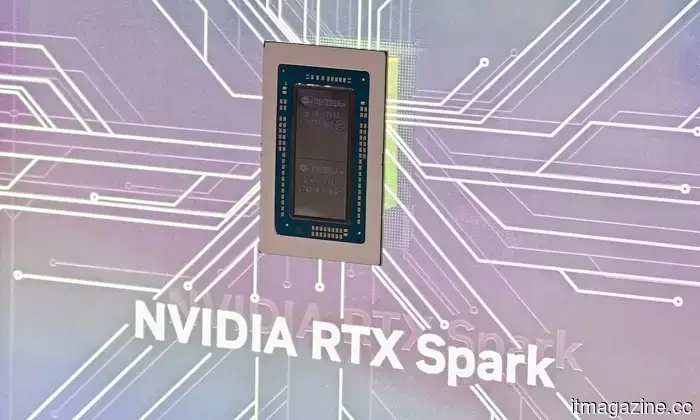
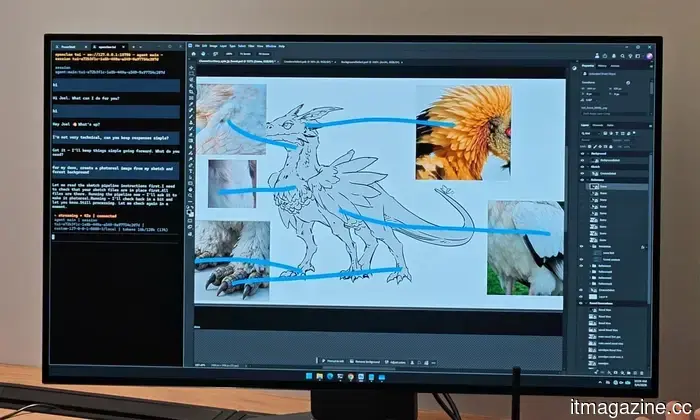
The NVIDIA RTX Spark platform, powered by the flagship NVIDIA N1X superchip, served as a prime example. Built around a 20-core Grace CPU co-developed with MediaTek, this ARM-based platform is designed to handle demanding AI tasks locally instead of relying on cloud servers. Demonstrations, such as Adobe Photoshop intelligently generating assets from simple visual cues or Premiere Pro rapidly detecting scene edits and facilitating one-click asset rotoscoping, highlighted what happens when software developers and hardware manufacturers collaborate effectively.
Companies aren't merely shipping raw NPUs anymore; they are partnering with application developers to seamlessly integrate AI into creative workflows, productivity tools, and editing programs, allowing it to quietly handle repetitive tasks. Even discussions surrounding agentic AI workloads reflected this shift, as manufacturers increasingly view AI as an omnipresent assistant capable of managing routine tasks autonomously in the background, enabling users to concentrate on more meaningful work.
ARM is directly challenging x86
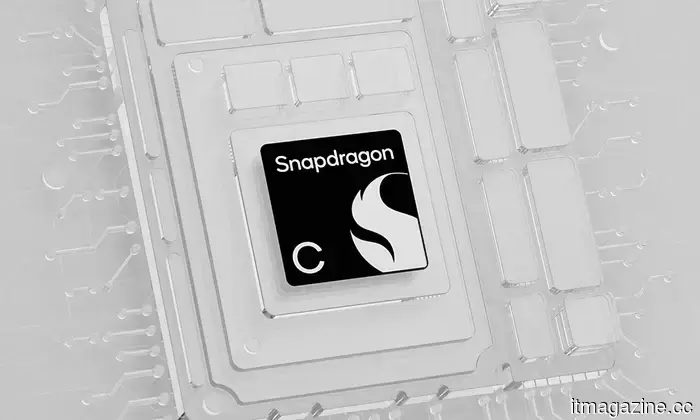
For years, ARM-powered Windows laptops felt like hopeful experiments searching for the right audience. However, Computex 2026 suggested that this phase might finally be concluding. Qualcomm continued to advance its vision with the Qualcomm Snapdragon C platform, aggressively targeting affordable AI PCs that blend impressive battery life with dedicated local AI functionalities. On the other hand, NVIDIA showcased RTX Spark, demonstrating that ARM systems can also offer serious enthusiast-level creative performance while effectively managing gaming and AI tasks on the same platform.
Perhaps the biggest revelation wasn't merely how natural these systems felt during demonstrations, but how NVIDIA has shifted the narrative surrounding ARM. Instead of positioning it as a low-power alternative to x86, RTX Spark frames ARM as the foundation for a scalable AI ecosystem. Built around a 20-core Grace CPU combined with Blackwell RTX graphics and up to 128GB of unified memory, this architectural approach extends beyond laptops into NVIDIA’s broader Grace Blackwell portfolio, including powerful DGX systems tailored for AI development and enterprise applications. It sends a strong message that efficient ARM designs can extend beyond just thin-and-light laptops.
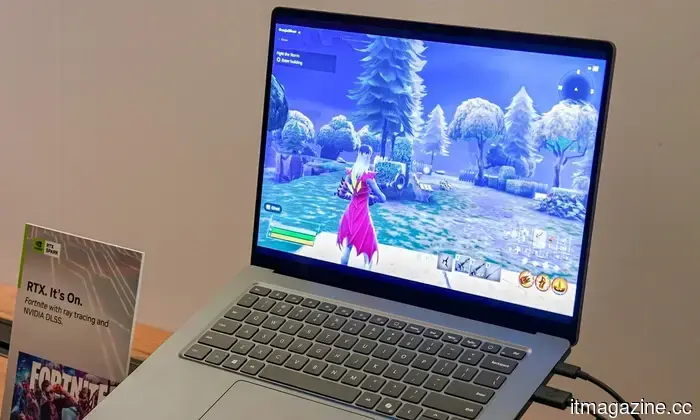
Technologies like DLSS 4.5 Ray Reconstruction, Microsoft’s Prism compatibility layer, and NVIDIA’s collaboration with developers on anti-cheat support also enhanced the gaming experience during the demonstrations I attended. Will ARM replace x86 overnight? Almost certainly not. However, for the first time, it feels less like a compromise and more like a platform capable of scaling from ultraportable laptops to robust AI workstations, making it a significantly tougher competitor than before.
Current-generation hardware is here to stay
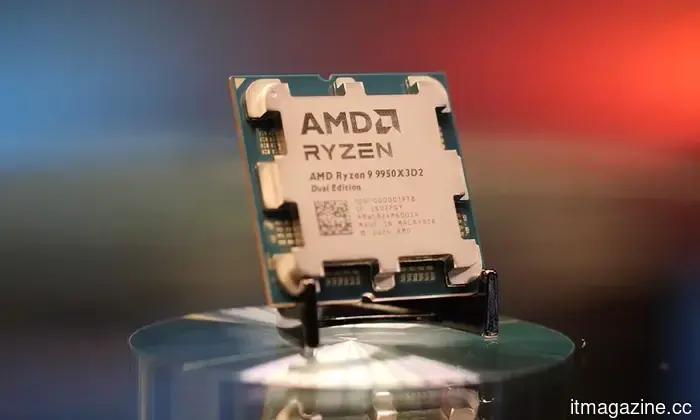
One of the most surprising trends at Computex was not the introduction of new hardware but rather companies' commitment to existing platforms. AMD reaffirmed its dedication to the AM5 desktop socket until at least 2029, offering enthusiasts a much more extended, consumer-friendly upgrade path than anticipated. To tackle rising component costs, the company also broadened its mainstream graphics lineup with the new AMD Radeon RX 9070 GRE, reinforcing the concept that existing architectures still have valuable room for growth without quickly becoming outdated.
This philosophy extended beyond processors and graphics cards.
Other articles
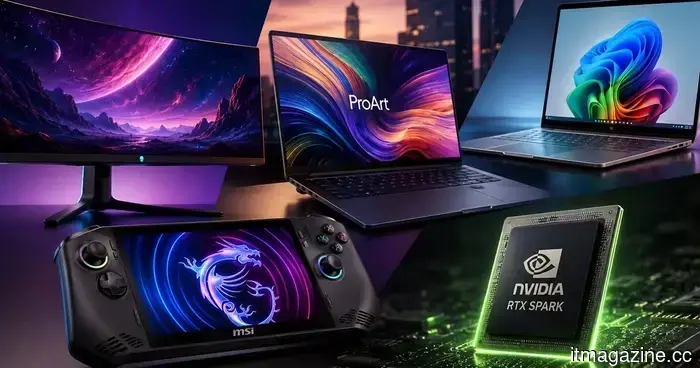 From handheld devices to monitors, these were the most significant transformations at Computex 2026.
After experiencing firsthand at Computex 2026, these four technology categories distinguished themselves by transforming monitors, handheld gaming, creator laptops, and ARM computing through significant innovations.
From handheld devices to monitors, these were the most significant transformations at Computex 2026.
After experiencing firsthand at Computex 2026, these four technology categories distinguished themselves by transforming monitors, handheld gaming, creator laptops, and ARM computing through significant innovations.
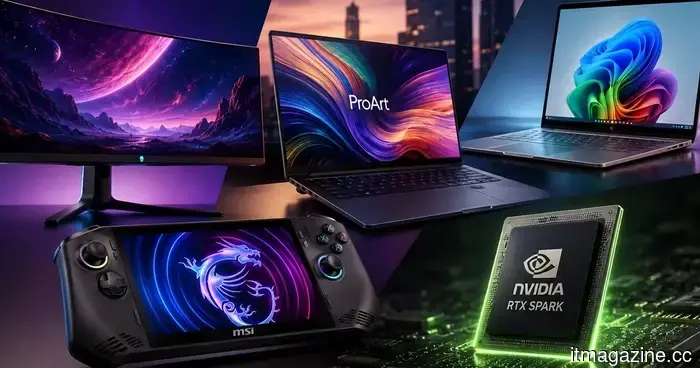 From handheld devices to monitors, these were the most significant transformations at Computex 2026.
Following an in-depth experience at Computex 2026, four tech categories distinctly emerged for transforming monitors, portable gaming, creator laptops, and ARM computing through significant innovations.
From handheld devices to monitors, these were the most significant transformations at Computex 2026.
Following an in-depth experience at Computex 2026, four tech categories distinctly emerged for transforming monitors, portable gaming, creator laptops, and ARM computing through significant innovations.
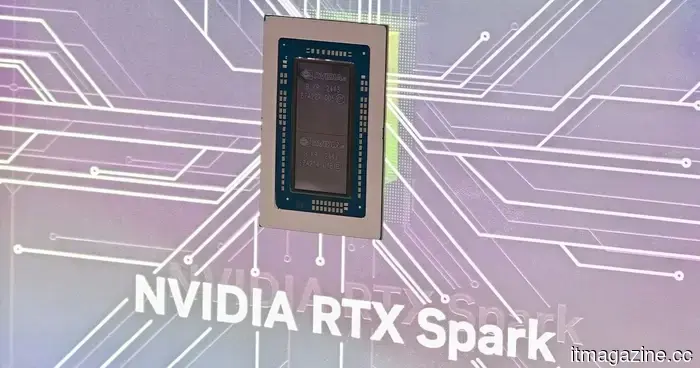 I witnessed the Nvidia RTX Spark in operation, and it seems that Windows PCs might finally be experiencing their own Apple Silicon Moment.
After witnessing the Nvidia RTX Spark perform video editing, local AI tasks, and gaming at Computex 2026, it appears to be one of the most significant efforts to reimagine high-end Windows PCs.
I witnessed the Nvidia RTX Spark in operation, and it seems that Windows PCs might finally be experiencing their own Apple Silicon Moment.
After witnessing the Nvidia RTX Spark perform video editing, local AI tasks, and gaming at Computex 2026, it appears to be one of the most significant efforts to reimagine high-end Windows PCs.
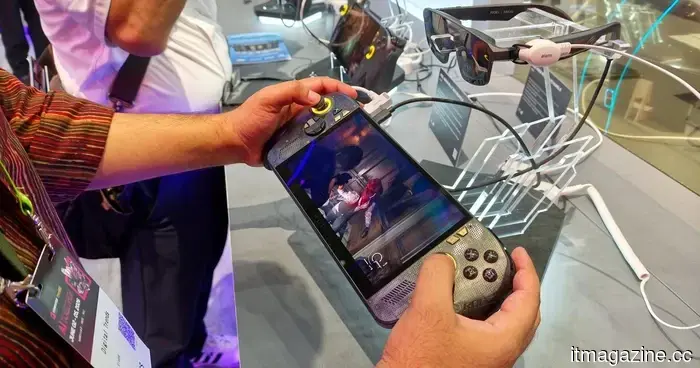 I tested the ASUS ROG Xbox Ally X20, and the 171-inch display makes a significant difference.
The OLED enhancement of the ROG Xbox Ally X20 is impressive, but after experiencing the included AR glasses, I found myself constantly considering the larger display.
I tested the ASUS ROG Xbox Ally X20, and the 171-inch display makes a significant difference.
The OLED enhancement of the ROG Xbox Ally X20 is impressive, but after experiencing the included AR glasses, I found myself constantly considering the larger display.
 I witnessed Nvidia RTX Spark in action, and it seems that Windows PCs might finally experience their own Apple Silicon Moment.
Having observed the Nvidia RTX Spark handle video editing, local AI agents, and gaming at Computex 2026, it appears to be one of the most significant efforts to reimagine high-end Windows PCs.
I witnessed Nvidia RTX Spark in action, and it seems that Windows PCs might finally experience their own Apple Silicon Moment.
Having observed the Nvidia RTX Spark handle video editing, local AI agents, and gaming at Computex 2026, it appears to be one of the most significant efforts to reimagine high-end Windows PCs.
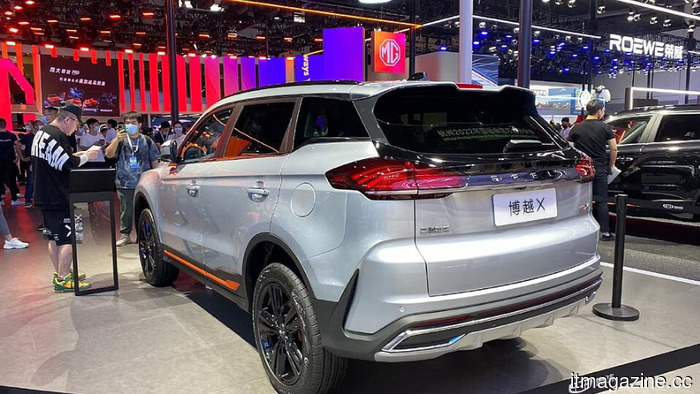 Geely will eliminate surplus factory capacity and aim to position itself as a global rival to BYD.
Geely chairman Li Shufu announced that the company plans to shut down, merge, or sell excess factories as it shifts focus from domestic pricing competition to global growth.
Geely will eliminate surplus factory capacity and aim to position itself as a global rival to BYD.
Geely chairman Li Shufu announced that the company plans to shut down, merge, or sell excess factories as it shifts focus from domestic pricing competition to global growth.
The Major PC Hardware Trends from Computex 2026
From laptops driven by AI and ARM processors to more advanced gaming monitors and next-generation handheld devices, these are the key PC hardware trends from Computex 2026 that will influence the future of computing.