
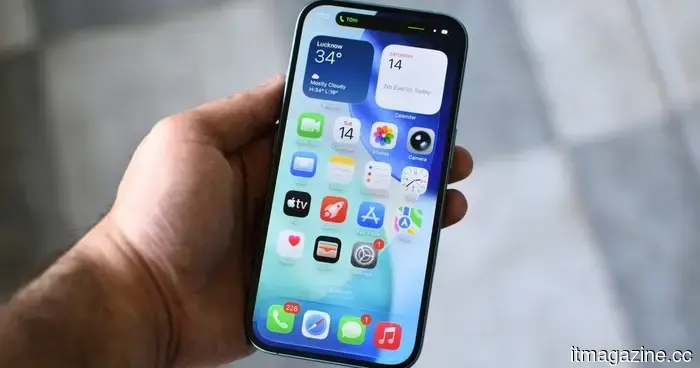
Apple has finally laid to rest the rumors surrounding planned obsolescence.
Whenever Apple launched a new iOS update, many users claimed their iPhones seemed to operate more slowly. This belief has persisted for years, and while Apple consistently refuted it, the doubt lingered. With the latest iOS 27 update, I think Apple has finally dispelled this notion.
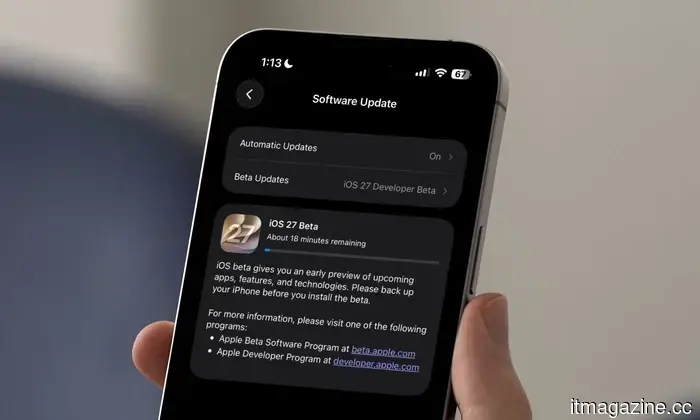
I installed the beta version on my iPhone Air, but the more interesting news comes from those using older models. Users running iOS 27 on older iPhones report that their devices feel faster instead of slower.
This contradicts the claims made by those who have suggested planned obsolescence over the years, and it’s happening in a developer beta, which is typically the most buggy and least optimized version available.
So, what’s different this time?
According to Apple, the performance improvements stem from a complete overhaul in how the system manages CPU scheduling, memory, and background tasks. In simpler terms, your iPhone is now more efficient in utilizing its energy, which prevents older chips from being overwhelmed with unnecessary tasks.
Apple is making some impressive claims. It states that app launches are as much as 30% faster, AirDrop speeds are up by 80%, Photos load around 70% faster, and there are several other enhancements across the board. While I usually take these numbers with skepticism since they are hard to test objectively, I can genuinely feel a difference on my iPhone Air.
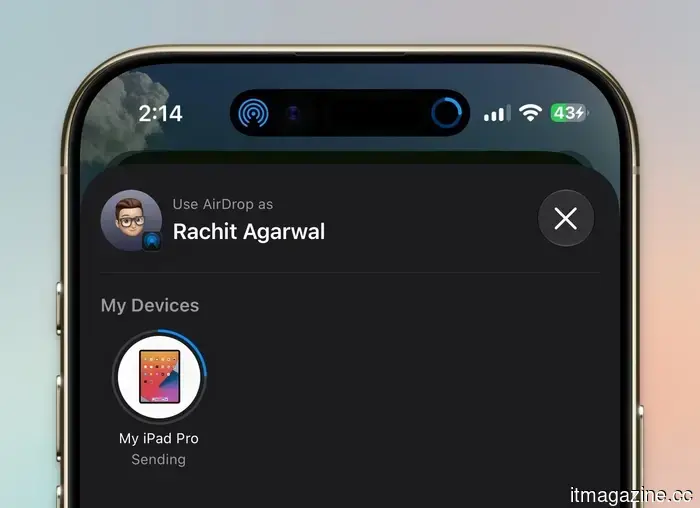
I am particularly impressed with the new AirDrop feature. The enhancement in transfer speeds is noticeable; smaller files transfer almost instantly, and even larger video files take about half the time to transfer compared to iOS 26.
The best part is that Apple hasn’t restricted these advancements to the latest iPhones. All devices that can run iOS 26 are eligible for iOS 27, starting from the iPhone 11. While older models may not have access to new AI features, they do benefit from speed and stability enhancements that will extend their usability.
Does this mean the rumors were entirely false?
I wouldn't go that far. Older iPhones do slow down over time, but it’s not due to any malicious scheme. New features demand more powerful chips, apps grow in size, and battery health inevitably declines, which can impact performance. Apple itself acknowledged that it reduced the performance of older iPhones to conserve battery life, which led to over $600 million in settlements from lawsuits.
The iOS 27 update has shifted this narrative. Rather than introducing flashy new features that necessitate the latest hardware, Apple focused this year on enhancing the overall experience for all users, including those with older devices. Consequently, iOS 27 stands out as the most significant update from Apple in years.
It guarantees that my iPhone will remain functional for a long time without me feeling like I'm on an unseen timeline for my next upgrade. I have long advocated for a maintenance update every few years, if not every other year. If Apple continues to provide such updates, the rumors of planned obsolescence will likely diminish.
Other articles
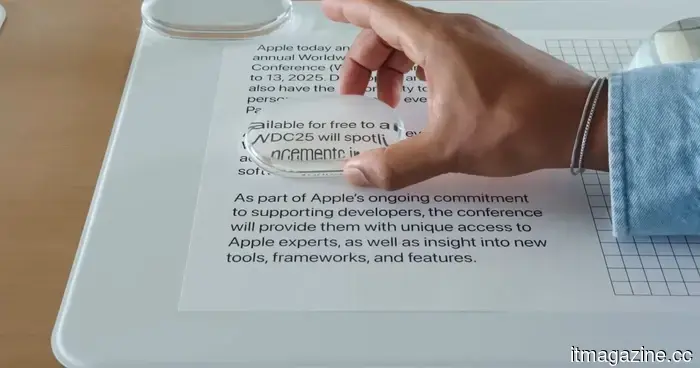 Apple has made Liquid Glass adjustable, which speaks volumes about its capabilities.
Apple introduced a Liquid Glass slider to iOS 27 and macOS Golden Gate, and the most amusing aspect is how practical it appears.
Apple has made Liquid Glass adjustable, which speaks volumes about its capabilities.
Apple introduced a Liquid Glass slider to iOS 27 and macOS Golden Gate, and the most amusing aspect is how practical it appears.
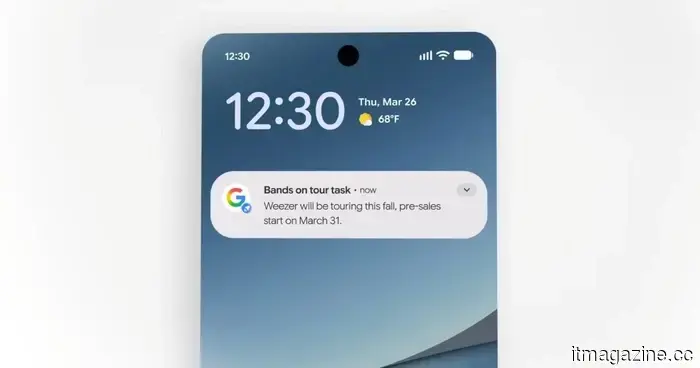 Google Search can now keep track of the web for updates on topics you are interested in.
Google AI Mode now enables users to create Search agents that monitor the web in the background and provide updates whenever there are changes.
Google Search can now keep track of the web for updates on topics you are interested in.
Google AI Mode now enables users to create Search agents that monitor the web in the background and provide updates whenever there are changes.
 KPMG retracted its AI report after UBS, the NHS, and others stated that its assertions regarding them were fabricated.
KPMG retracted a report on agentic AI after several organizations disputed the accuracy of its statements regarding their AI use. GPTZero attributed the inaccuracies to AI hallucinations.
KPMG retracted its AI report after UBS, the NHS, and others stated that its assertions regarding them were fabricated.
KPMG retracted a report on agentic AI after several organizations disputed the accuracy of its statements regarding their AI use. GPTZero attributed the inaccuracies to AI hallucinations.
 Replace Your Bulky Power Bank with SnapGo Air for Easier Charging
Charge your phone efficiently with the smart choice. This Spring Offer from INIU has the SnapGo Air (P781) available for only $49.99. Replace your bulky power bank with a streamlined magnetic snap-on that charges your device effortlessly, eliminating cables and clutter that could hold you back.
Replace Your Bulky Power Bank with SnapGo Air for Easier Charging
Charge your phone efficiently with the smart choice. This Spring Offer from INIU has the SnapGo Air (P781) available for only $49.99. Replace your bulky power bank with a streamlined magnetic snap-on that charges your device effortlessly, eliminating cables and clutter that could hold you back.
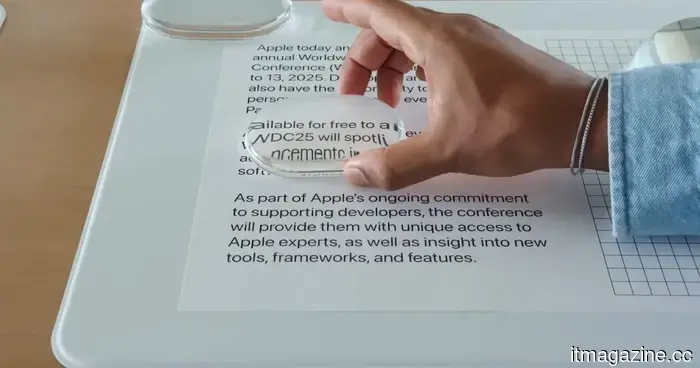 Apple has made Liquid Glass adjustable, which says a lot about Liquid Glass.
Apple introduced a Liquid Glass slider in iOS 27 and macOS Golden Gate, and the amusing aspect is how practical it seems.
Apple has made Liquid Glass adjustable, which says a lot about Liquid Glass.
Apple introduced a Liquid Glass slider in iOS 27 and macOS Golden Gate, and the amusing aspect is how practical it seems.
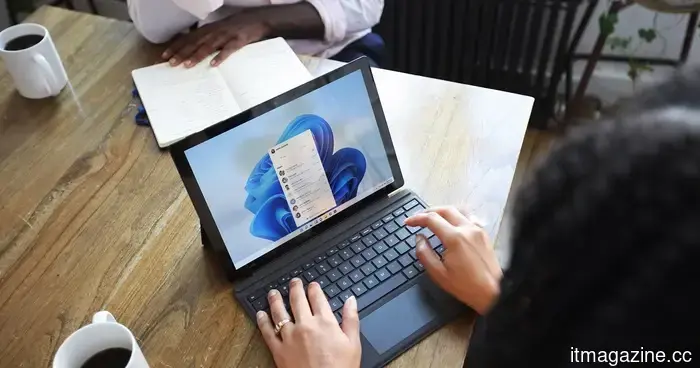 Windows 11 has just addressed one of Search's most frustrating limitations, and you'll be amazed at how much you missed it.
Windows 11 search has become more intelligent with a single added character, addressing an issue you've been dealing with for years.
Windows 11 has just addressed one of Search's most frustrating limitations, and you'll be amazed at how much you missed it.
Windows 11 search has become more intelligent with a single added character, addressing an issue you've been dealing with for years.
Apple has finally laid to rest the rumors surrounding planned obsolescence.
Each iOS update often brought the same concern: my older iPhone might slow down. iOS 27 finally changes that trend, and it’s significant.