
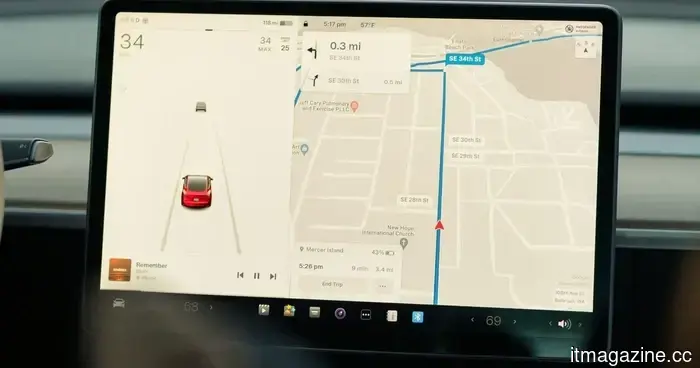
Chinese drivers have come up with a rather absurd method to trick Tesla Autopilot, and it includes using doll heads.
Tesla’s driver-monitoring systems aim to ensure that drivers remain focused on the road while using Autopilot and other assisted-driving features. However, some Tesla owners in China have reportedly discovered an unconventional workaround: small plastic doll heads.
A recent Wired report highlights the emergence of a niche market for figurines and gadgets intended to deceive Tesla’s in-cabin camera into thinking an attentive driver is present. The most favored version involves miniature celebrity heads, often resembling actors or public figures, placed near the rearview mirror to obstruct the camera’s view of the real driver.
These products have garnered attention after videos showcasing the trick went viral on Chinese social media. Many of these figurines are said to sell for between $10 and $40 on e-commerce platforms, positioned precisely to come within the camera's view while concealing the actual driver’s face.
Tesla employs cabin-facing cameras to monitor driver attention when Autopilot features are engaged. If the system identifies that a driver has been looking away from the road for an extended period, it sends warnings and may ultimately disable assisted-driving functionalities. The company enhanced its distracted-driver monitoring in China with a software update last year, leading some owners to seek alternatives to these safeguards.
Drivers are utilizing a range of items from doll heads to blinking screens.
The use of fake heads is just one facet of a broader trend.
The report notes that some Tesla owners are using photographs placed before the camera or lenticular images that seem to blink from various angles. More sophisticated solutions involve small display screens showing looping videos of a person's face that appear to blink and move naturally. These gadgets are specifically created to persuade the monitoring system that a real driver is actively engaged.
One Tesla owner reportedly stated that a figurine reminiscent of actor Dwayne Johnson allowed him to drive for long periods without receiving distraction warnings. Videos shared online depicted drivers eating snacks, filming videos, or looking away from the road while maintaining the fake head within the camera’s view.
This trend isn’t entirely new. Tesla owners in multiple countries have experimented with sunglasses, steering wheel weights, and various methods to circumvent safety systems. However, the recent surge in camera-focused gadgets seems to have arisen after Tesla tightened driver-monitoring protocols in China.
The rise of these gadgets sparks broader concerns regarding the effectiveness of current driver-monitoring systems.
While Tesla’s Autopilot and other assisted-driving features can manage specific driving tasks, they still necessitate active human oversight. Safety experts have continuously cautioned that bypassing attention-monitoring systems heightens the risk of accidents, as drivers may grow overly confident in what is still a driver-assistance feature rather than a fully autonomous system.
Many users on Chinese social media have criticized these products, likening them to seatbelt bypass clips that prioritize convenience over safety. Others have expressed skepticism about how relatively simple props can successfully deceive advanced camera-based monitoring systems.
Tesla has not publicly addressed the reported gadgets or whether forthcoming software updates will aim to detect and prevent such workarounds. However, should this trend continue to expand, the company may encounter increasing pressure to enhance its driver-monitoring technology.
For the time being, this story serves as a reminder that even sophisticated AI-driven vehicle systems can sometimes be outsmarted by surprisingly low-tech solutions, such as a plastic doll head affixed to a rearview mirror.
Other articles
 Andrew Yang states that the upcoming wave of startups will focus not on developing AI, but on reducing the cost of living.
Yang contends that as AI reduces wages, the opportunity lies in startups that lower expenses for consumers. His Noble Mobile offers refunds. However, investors prefer AI solutions instead.
Andrew Yang states that the upcoming wave of startups will focus not on developing AI, but on reducing the cost of living.
Yang contends that as AI reduces wages, the opportunity lies in startups that lower expenses for consumers. His Noble Mobile offers refunds. However, investors prefer AI solutions instead.
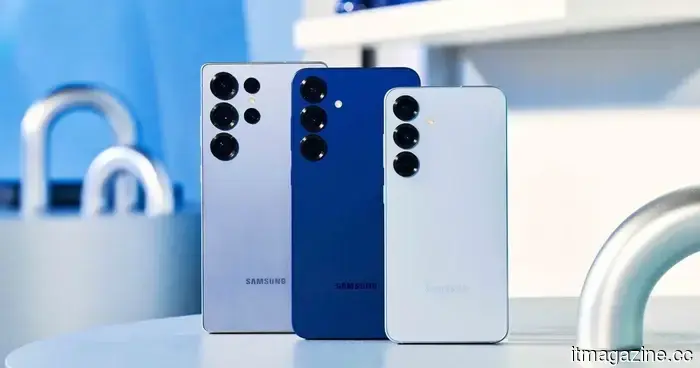 Users of the Galaxy S25 are finally receiving some of the One UI 8.5 AI features that were previously missing.
With the June update, Galaxy S25 users are finally receiving Prioritize Notifications, Summarize Notifications, and File Summaries, after these features were omitted in the initial One UI 8.5 release.
Users of the Galaxy S25 are finally receiving some of the One UI 8.5 AI features that were previously missing.
With the June update, Galaxy S25 users are finally receiving Prioritize Notifications, Summarize Notifications, and File Summaries, after these features were omitted in the initial One UI 8.5 release.
 Purchasing a laptop could soon include an immediate carbon score, courtesy of AI.
Scientists are creating AI agents that can determine a product's carbon footprint instantly, which could assist consumers in making more eco-friendly buying choices.
Purchasing a laptop could soon include an immediate carbon score, courtesy of AI.
Scientists are creating AI agents that can determine a product's carbon footprint instantly, which could assist consumers in making more eco-friendly buying choices.
.jpg) This Adam Driver film is among the three underrated movies on Prime Video that you should check out this weekend (June 12-14).
This weekend, Prime Video's hidden gems include a low-budget sci-fi thriller, an Oscar-nominated dark comedy from Sweden, and a subtle exploration of everyday life.
This Adam Driver film is among the three underrated movies on Prime Video that you should check out this weekend (June 12-14).
This weekend, Prime Video's hidden gems include a low-budget sci-fi thriller, an Oscar-nominated dark comedy from Sweden, and a subtle exploration of everyday life.
Chinese drivers have come up with a rather absurd method to trick Tesla Autopilot, and it includes using doll heads.
Reports indicate that Chinese Tesla owners are utilizing small doll heads, images, and flashing screens to deceive the Autopilot's driver-monitoring cameras into believing they are focused on the road.