
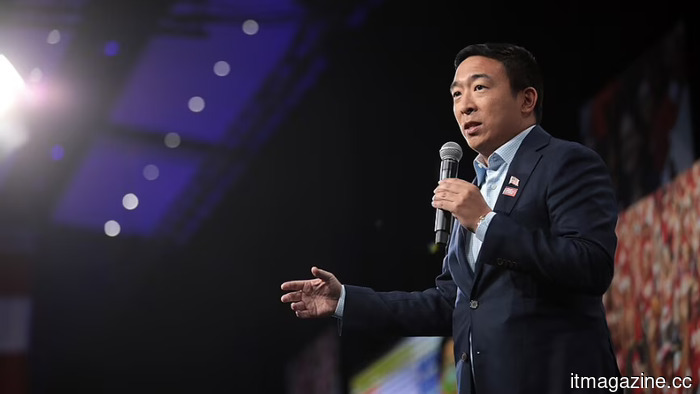
Andrew Yang states that the upcoming wave of startups will focus not on developing AI, but on reducing the cost of living.
In a nutshell, Andrew Yang suggests that the main startup opportunity in the coming decade isn't creating AI, but rather developing ways to reduce living expenses for those displaced by it. In a TechCrunch interview, the former presidential candidate and advocate for universal basic income explained his viewpoint: as AI drives down wages and takes away entry-level jobs, the focus will shift to businesses that lower the costs of essential needs.
“AI is set to absorb a lot of value and jobs, leading Americans to wonder, ‘How do I cover my basic needs?’” Yang remarked. He identifies significant potential in startups that can decrease expenses related to housing, education, food, fuel, transportation, media, and communications.
His example of this concept is Noble Mobile, a mobile virtual network operator he established last September. It offers cell service at significantly lower rates than traditional carriers and refunds customers when they use less data. The company has amassed “thousands and thousands” of customers and is earning “millions in revenue,” achieving profitability on a per-customer basis.
The inspiration for this model came from Mark Cuban’s Cost Plus Drugs, which sells medications at cost plus a standard markup. Yang views both firms as early instances of a new category where the emphasis is on returning value to customers rather than extracting it. Other examples, like Misfits Market (offering discounted groceries) and Light Phone (providing minimalist devices), follow a similar model.
“We’re profitable on a per-customer basis but choose to share the profits with our subscribers, believing it leads to greater satisfaction, customer retention, and word-of-mouth recommendations,” Yang explained.
However, the challenge lies in securing funding. Investors currently favor AI companies rather than businesses with slim margins and social missions targeting consumers. “I’ve even had an investor tell me about Noble Mobile, ‘Love you, Andrew, I want to collaborate, but if you could turn this into an AI company, we’d invest,’” Yang shared. The job displacement he predicted in 2020 is now becoming evident in statistics: Goldman Sachs estimates that AI is causing the loss of 16,000 US jobs monthly, heavily impacting entry-level workers.
Yang continues to support the idea of universal basic income, though he feels uncertain about its implementation by the government. “There’s potential for a direct link between resources and the citizens,” he said. Where policy might falter, market incentives could take over. For instance, a $50 monthly savings, if invested and compounded over 40 years, could total $24,000, which is sufficient for a retirement down payment.
His perspective contrasts sharply with a venture capital landscape that has allocated $700 billion to AI infrastructure this year alone. Yet, Yang’s reasoning holds an unsettling truth: even the most profit-driven companies need consumers who can afford to purchase their products. “The concentration of value among a select few individuals and companies is detrimental to everyone,” he stated. “Some people I know in Silicon Valley understand this for various reasons, including their desire to avoid hiring private security.”
Other articles
.jpg) This Adam Driver film is among the three underrated movies on Prime Video that you should check out this weekend (June 12-14).
This weekend, Prime Video's hidden gems include a low-budget sci-fi thriller, an Oscar-nominated dark comedy from Sweden, and a subtle exploration of everyday life.
This Adam Driver film is among the three underrated movies on Prime Video that you should check out this weekend (June 12-14).
This weekend, Prime Video's hidden gems include a low-budget sci-fi thriller, an Oscar-nominated dark comedy from Sweden, and a subtle exploration of everyday life.
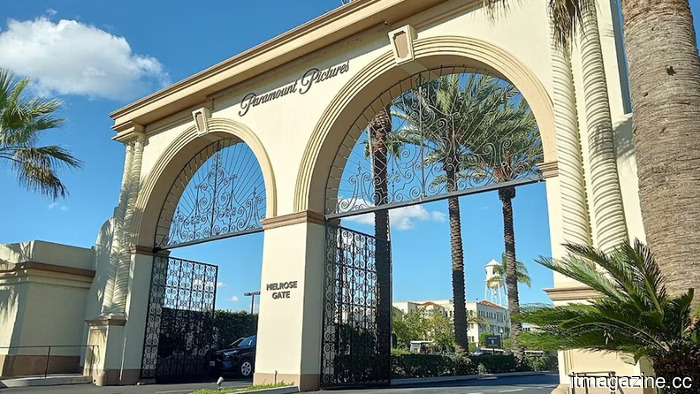 The DOJ has approved Paramount's $110 billion acquisition of Warner Bros. Discovery without any conditions.
The Justice Department has authorized the merger between Paramount and WBD without requiring any divestitures. However, state attorneys general, led by California, are in the process of preparing a lawsuit to prevent it.
The DOJ has approved Paramount's $110 billion acquisition of Warner Bros. Discovery without any conditions.
The Justice Department has authorized the merger between Paramount and WBD without requiring any divestitures. However, state attorneys general, led by California, are in the process of preparing a lawsuit to prevent it.
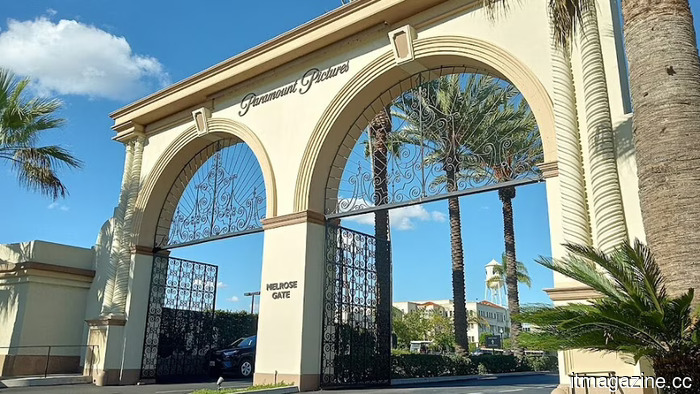 The DOJ has approved Paramount's $110 billion acquisition of Warner Bros. Discovery unconditionally.
The Justice Department has given the green light to the Paramount-WBD merger without requiring any divestitures. However, state attorneys general, spearheaded by California, are still in the process of preparing a lawsuit to prevent it.
The DOJ has approved Paramount's $110 billion acquisition of Warner Bros. Discovery unconditionally.
The Justice Department has given the green light to the Paramount-WBD merger without requiring any divestitures. However, state attorneys general, spearheaded by California, are still in the process of preparing a lawsuit to prevent it.
Andrew Yang states that the upcoming wave of startups will focus not on developing AI, but on reducing the cost of living.
Yang contends that as AI reduces wages, the opportunity lies in startups that lower expenses for consumers. His Noble Mobile offers refunds. However, investors prefer AI solutions instead.