
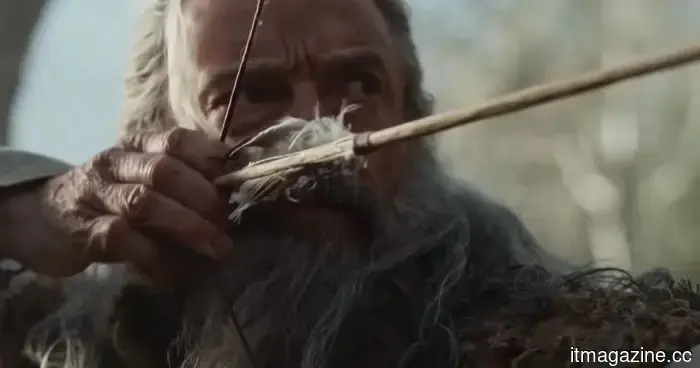
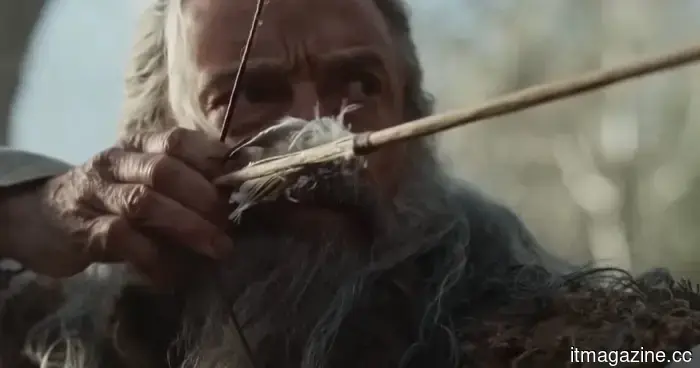
EXCLUSIVE: The director of Death of Robin Hood discusses his approach to reinventing a classic story in his A24 film.
A traditional medieval hero receives a daring reinterpretation in A24’s The Death of Robin Hood. Penned and directed by Michael Sarnoski (A Quiet Place: Day One), the film centers on the iconic archer, portrayed by Hugh Jackman, as he confronts a lifetime filled with violence and remorse. Following a perilous adventure that leaves him severely injured, Robin Hood is given an unforeseen opportunity for redemption while under the care of the enigmatic Sister Brigid (Jodie Comer).
Although Robin Hood has been adapted numerous times for film and television, Sarnoski’s work distinctly sets itself apart from earlier versions. By reimagining well-known characters and placing them in a stark, intense storyline, Sarnoski revitalizes a legend that has endured for centuries, rendering it more grounded, tragic, and captivating than before.
In a conversation with Digital Trends, Sarnoski elaborated on portraying Robin Hood as a deeply flawed character, collaborating with Jackman and Comer, and employing gut-wrenching violence to narrate a gritty tale about guilt, forgiveness, and redemption.
How The Death of Robin Hood reinvents iconic characters and narratives
A24 / A24
Sarnoski explained that he was inspired to depict Robin Hood’s end after growing up with the tales surrounding him. Although he initially felt that audiences didn’t need another adaptation of the character, he was moved to write the film he envisioned before working on A Quiet Place: Day One. Ultimately, he found his screenplay so engaging that he knew he needed to bring it to the big screen.
“I have always cherished the legend of Robin Hood’s death,” Sarnoski stated. “It originates from an old ballad I encountered as a young child, and it always resonated with me as, ‘Wait, what?’ This is how the story of Robin Hood concludes. There’s something beautiful and poetic, yet also very simple and human about it. So, I knew it was a concept I wanted to explore.”
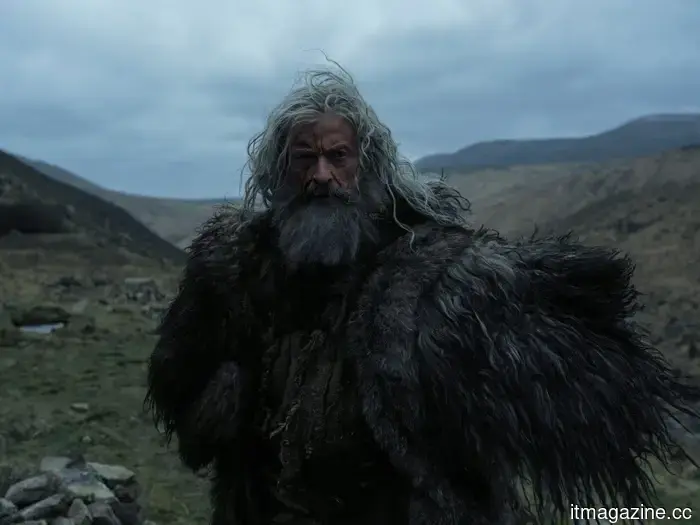
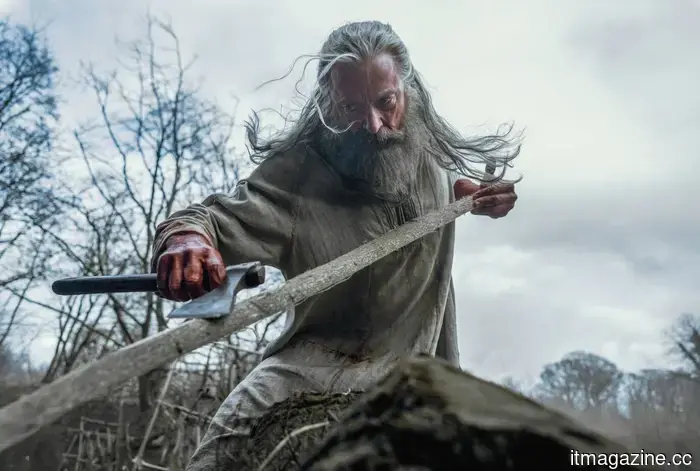
Instead of showcasing Robin Hood as a youthful hero battling injustice, the film presents him as an aged, regretful outlaw haunted by his dark past. From the outset, it’s clear that the heroic tales of Robin pilfering from the wicked and aiding the meek were misleading. Instead, Robin is portrayed as a merciless, thrill-seeking criminal who harbors no qualms about killing men, women, or children. For every life he took, he had to contend with successive generations seeking vengeance.
By the film's commencement, Robin Hood is a fierce yet regretful elderly man counting down the days until his demise and settling his many “blood debts,” with Jackman embodying both the brutality and humanity of his role. He makes Robin intriguing even at his darkest moments. Yet, as Robin seizes the opportunity for a new beginning, Jackman’s poignant performance elevates this narrative of forgiveness and redemption.
“[Jackman] invested so much thought and effort into this character,” Sarnoski remarked. “When he first read the script, and we met, it was evident that he was profoundly engaged and wanted to explore the ambiguities and complexities of this character…I’ve been fortunate in my career to work with some incredible actors, and he [is] no exception. We couldn’t have made this movie without him.”
Jodie Comer is the film’s emotional core
A24 / A24
Conversely, Sister Brigid reinterprets another essential character from Robin Hood folklore: the prioress who betrayed him, ultimately leading to his death. Instead, Brigid is envisioned as a caring guardian committed to protecting children and healing the injured at her priory.
Sarnoski indicated that he crafted Brigid’s character specifically for Comer, acknowledging her talent for conveying a multitude of layers in her performances, where she can appear both profound and wise while also embodying a sweet and almost childlike humanity.
“It was a quiet, gentle, kind character who contains multitudes, really carrying a lot,” Sarnoski elaborated. “The Prioress required someone like that to stand in contrast to and reflect the intensely portrayed Robin Hood by Hugh, and I can't envision a better pairing.”
Although Robin and Brigid are fundamentally different from their traditional counterparts, the tension between them is essential to the storyline. The revelation that Robin killed Brigid’s husband introduces a fresh, intriguing dynamic centered on grief, guilt, and forgiveness, imbuing Robin’s final adventure with new significance and emotion.
The film reflects the stark brutality of medieval existence
A24 / A24
Popular culture often romanticizes the medieval period, depicting it as a simpler time filled with magnificent castles, chivalrous knights, and thrilling escapades. However, The Death of Robin Hood dismantles that illusion by portraying the grim realities that people faced during that era.
The film opens with a peasant girl traversing the noisy, windy mountains, establishing a tone that is as harsh and unforgiving as its protagonist. Even

Other articles
 Cash App is now operating as a phone carrier, offering an unlimited plan for $40.
Cash App Mobile offers certain users a $40 unlimited 5G phone plan that includes talk, text, hotspot data, and is powered by AT&T network coverage, all integrated within the app.
Cash App is now operating as a phone carrier, offering an unlimited plan for $40.
Cash App Mobile offers certain users a $40 unlimited 5G phone plan that includes talk, text, hotspot data, and is powered by AT&T network coverage, all integrated within the app.
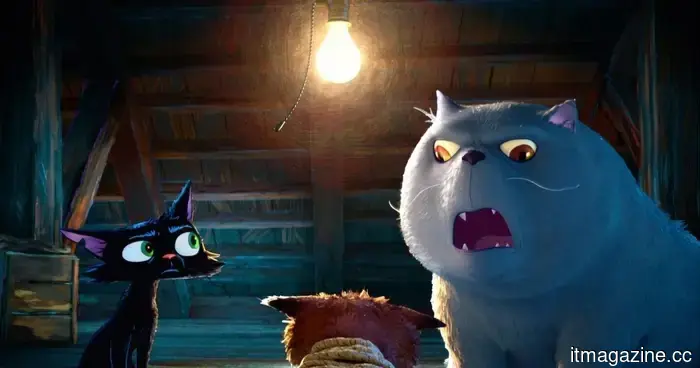 Pixar has just released the trailer for the Gatto movie, and it includes everything that a cat enthusiast could desire.
Pixar has just released the initial trailer for Gatto, a hand-painted animated movie centered around a black cat burdened by mob debts as it navigates the superstitious streets of Venice, Italy.
Pixar has just released the trailer for the Gatto movie, and it includes everything that a cat enthusiast could desire.
Pixar has just released the initial trailer for Gatto, a hand-painted animated movie centered around a black cat burdened by mob debts as it navigates the superstitious streets of Venice, Italy.
 EXCLUSIVE: The director of The Death of Robin Hood discusses how he reimagines a timeless story in his A24 movie.
In a unique interview, Michael Sarnoski talks about reinterpreting a legendary hero in A24's The Death of Robin Hood, the transformative performances of Hugh Jackman and Jodie Comer, and the film's exploration of themes such as guilt, redemption, and violence.
EXCLUSIVE: The director of The Death of Robin Hood discusses how he reimagines a timeless story in his A24 movie.
In a unique interview, Michael Sarnoski talks about reinterpreting a legendary hero in A24's The Death of Robin Hood, the transformative performances of Hugh Jackman and Jodie Comer, and the film's exploration of themes such as guilt, redemption, and violence.
 Your smart home concludes at the back door — wireless robotic lawn mowers aim to transform that.
Pause for a moment to consider how many aspects of your home have become automated. Your robotic vacuum takes care of the floors. The thermostat adjusts the temperature before you even get home. The doorbell camera identifies those who come to your door. Now, step outside. You will see that your lawn is still waiting for you to take […]
Your smart home concludes at the back door — wireless robotic lawn mowers aim to transform that.
Pause for a moment to consider how many aspects of your home have become automated. Your robotic vacuum takes care of the floors. The thermostat adjusts the temperature before you even get home. The doorbell camera identifies those who come to your door. Now, step outside. You will see that your lawn is still waiting for you to take […]
 Eliminate Scam Anxiety and Secure Your Digital Life with Trend Micro.
The internet has moved beyond just rewarding caution. Deceptive delivery links, compromised passwords, and sophisticated phishing schemes have subtly transformed the definition of online safety today. Trend Micro's Premium Security Suite, created to address these changing cyber threats, provides a comprehensive antivirus solution that now allows you to save up to $79.95 on a 24-month subscription.
Eliminate Scam Anxiety and Secure Your Digital Life with Trend Micro.
The internet has moved beyond just rewarding caution. Deceptive delivery links, compromised passwords, and sophisticated phishing schemes have subtly transformed the definition of online safety today. Trend Micro's Premium Security Suite, created to address these changing cyber threats, provides a comprehensive antivirus solution that now allows you to save up to $79.95 on a 24-month subscription.
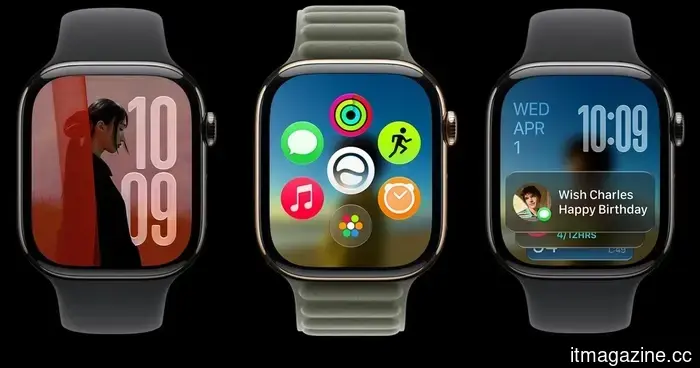 watchOS 27: All the details we have about the upcoming features for your Apple Watch
Apple’s watchOS 27 introduces Siri AI, enhanced widgets, better workout features, and numerous minor quality-of-life improvements. Here’s a complete overview of the new additions coming to the Apple Watch.
watchOS 27: All the details we have about the upcoming features for your Apple Watch
Apple’s watchOS 27 introduces Siri AI, enhanced widgets, better workout features, and numerous minor quality-of-life improvements. Here’s a complete overview of the new additions coming to the Apple Watch.
EXCLUSIVE: The director of Death of Robin Hood discusses his approach to reinventing a classic story in his A24 film.
In a special interview, Michael Sarnoski talks about reinventing a legendary hero in A24's The Death of Robin Hood, the impactful performances by Hugh Jackman and Jodie Comer, and the movie's exploration of themes such as guilt, redemption, and violence.