
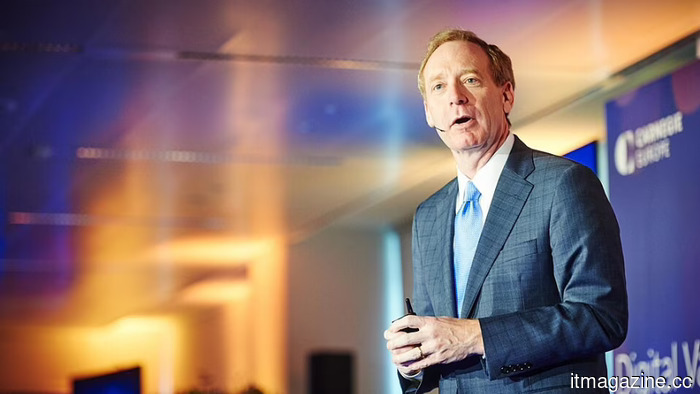
The president of Microsoft addresses the concerns surrounding AI in a lengthy 3,000-word essay, yet no policy alterations are implemented.
Microsoft President Brad Smith addressed the recent incidents of graduating students booing AI during commencement ceremonies in a 3,000-word essay that recognizes their concerns but does not propose any specific policy changes. Released on Microsoft’s official blog on Tuesday, Smith described the backlash as a significant wake-up call for the tech industry, suggesting that graduates should simply adapt to the changes.
Smith shared his experience at Princeton, where students disapproved of jacket designs they believed were made using AI tools. He related this reaction to similar events, including Eric Schmidt being booed at the University of Arizona and Gloria Caulfield at the University of Central Florida, as well as a college president who faced boos after an AI system mispronounced graduates' names.
“People will want to have a say in determining how and when AI is utilized,” Smith remarked, drawing a parallel to 1838 when the advent of cameras prompted concerns that photography would render artists unnecessary. He likened the students' booing to those who feared that cameras would destroy the art form.
Smith recognized that the job market is challenging, labeling it a “perfect storm” for the class of 2026. Nevertheless, he did not mention the statistics related to this situation. Goldman Sachs estimated in April that AI is eliminating approximately 16,000 jobs in the US each month, while ServiceNow’s CEO cautioned that graduate unemployment could soar to 30% within two years. Additionally, another Microsoft executive indicated earlier this year that AI might eliminate white-collar jobs in just 18 months.
“Students and graduates understand the advantages of AI; however, they want to ensure it's used appropriately,” Smith stated, comparing the rejection of AI to a consumer preference for natural fabrics over synthetic ones, framing the opposition as a question of market choice rather than economic displacement.
In concluding, he urged graduates to remember that “constant change has trained you to adapt swiftly. As AI alters the way we work, you don’t need to unlearn decades of habits as some of us do.” He encouraged them to “stand firmly and voice your support for values that are timeless. Agency. Ambition. Dignity.”
However, the essay lacked any commitment to slow down AI implementation, safeguard entry-level positions, or support widespread retraining. In the same month, Meta cut 8,000 jobs as part of an AI restructuring, while Standard Chartered announced plans to eliminate 7,800 back-office roles by 2030, specifically targeting entry-level roles that recent graduates typically fill. The combined AI infrastructure expenditure by Big Tech is projected to exceed $700 billion by 2026, partly financed by shifting payroll costs into capital expenses.
The class of 2026 began their university journey in the same semester that ChatGPT was launched. They have observed significant layoffs and increased AI spending announcements from major tech companies during earnings calls. Their boos were not expressions of confusion regarding a technology cycle; rather, they reflected a generation that had calculated the implications before the commencement speaker could finish his address. Smith acknowledged this sentiment and responded by urging them to accept the mathematics involved.
Other articles
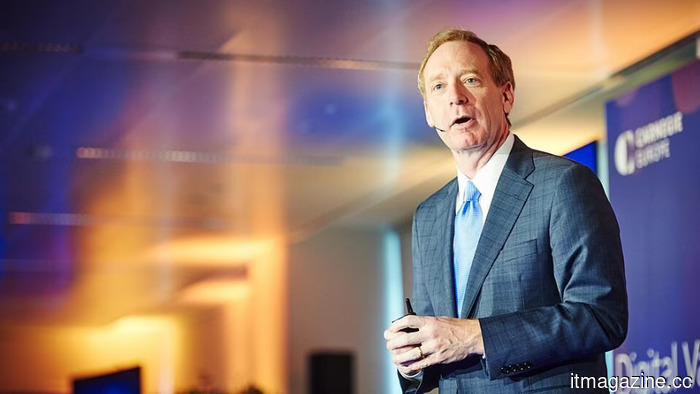 The president of Microsoft addresses the criticism surrounding AI with a lengthy 3,000-word article, while making no alterations to existing policies.
The president of Microsoft wrote an essay describing the backlash against AI from graduates as a "wake-up call." His recommendation: to adapt. His admissions: none.
The president of Microsoft addresses the criticism surrounding AI with a lengthy 3,000-word article, while making no alterations to existing policies.
The president of Microsoft wrote an essay describing the backlash against AI from graduates as a "wake-up call." His recommendation: to adapt. His admissions: none.
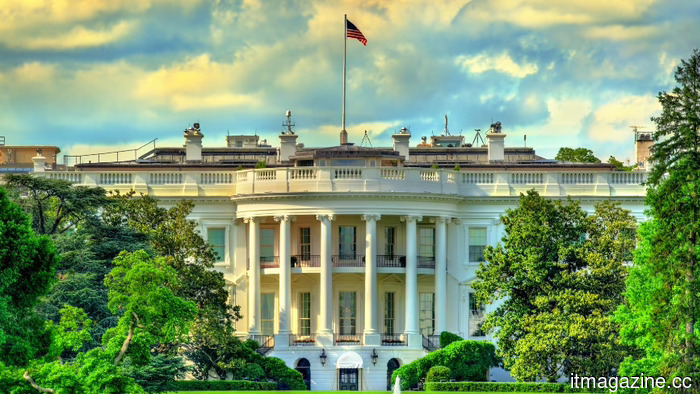 The White House proposes exchanging state AI preemption for federal online safety regulations in a new agreement with Congress.
The Trump administration is in talks to prevent state AI regulations in return for the passage of KOSA, the NO FAKES Act, and federal age verification measures. Free speech organizations are opposed to this.
The White House proposes exchanging state AI preemption for federal online safety regulations in a new agreement with Congress.
The Trump administration is in talks to prevent state AI regulations in return for the passage of KOSA, the NO FAKES Act, and federal age verification measures. Free speech organizations are opposed to this.
 Paramount is integrating Pluto TV, BET+, and Paramount+ into a single technology platform in anticipation of HBO Max.
By mid-2026, Paramount aims to consolidate its streaming technology to reduce expenses, enhance advertising, and create a strategy for integrating HBO Max following the completion of the Warner Bros. merger.
Paramount is integrating Pluto TV, BET+, and Paramount+ into a single technology platform in anticipation of HBO Max.
By mid-2026, Paramount aims to consolidate its streaming technology to reduce expenses, enhance advertising, and create a strategy for integrating HBO Max following the completion of the Warner Bros. merger.
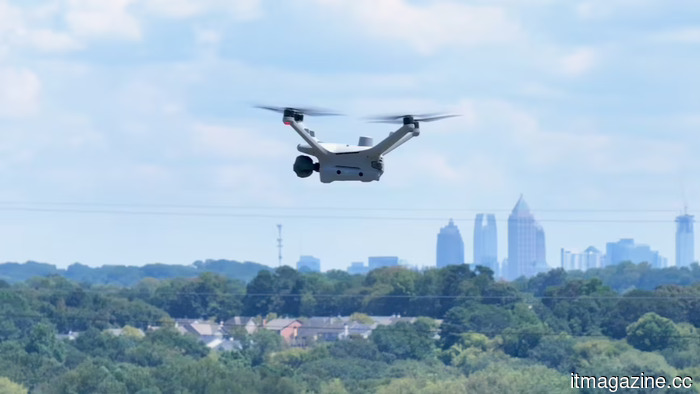 A city in California has recently authorized the expenditure of $3.15 million for police drones that can respond to 911 calls within 30 seconds.
Stockton's council approved the Flock drones with a 7-0 vote, despite facing an hour of public dissent. Flock has a history of sharing information with border patrol and monitoring an abortion.
A city in California has recently authorized the expenditure of $3.15 million for police drones that can respond to 911 calls within 30 seconds.
Stockton's council approved the Flock drones with a 7-0 vote, despite facing an hour of public dissent. Flock has a history of sharing information with border patrol and monitoring an abortion.
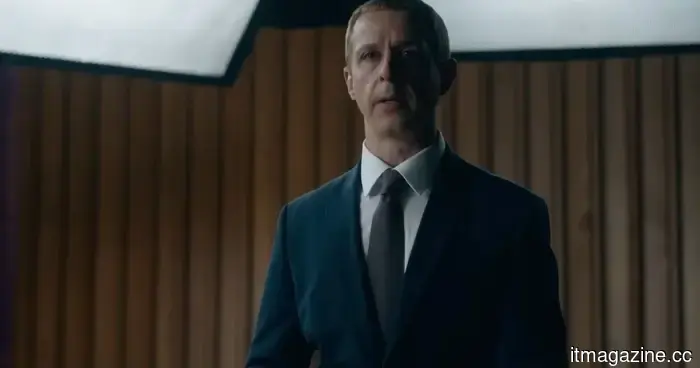 The trailer for Social Reckoning has been released, and Jeremy Strong seems like the ideal candidate to portray Mark Zuckerberg.
Aaron Sorkin makes a comeback with The Social Reckoning, a companion work to The Social Network, focusing on the Facebook whistleblower controversy, featuring Jeremy Strong in the role of Zuckerberg.
The trailer for Social Reckoning has been released, and Jeremy Strong seems like the ideal candidate to portray Mark Zuckerberg.
Aaron Sorkin makes a comeback with The Social Reckoning, a companion work to The Social Network, focusing on the Facebook whistleblower controversy, featuring Jeremy Strong in the role of Zuckerberg.
 Your Technology, Your Style with JLab: The Case for Affordable Premium Audio
Whether it's for work calls, exercise, commuting, or leisurely breaks, each part of the day requires different performance from our audio equipment. JLab's newest collection is centered around the straightforward concept that personal technology should conform to our daily lives, rather than the reverse, all while making high-quality features accessible.
Your Technology, Your Style with JLab: The Case for Affordable Premium Audio
Whether it's for work calls, exercise, commuting, or leisurely breaks, each part of the day requires different performance from our audio equipment. JLab's newest collection is centered around the straightforward concept that personal technology should conform to our daily lives, rather than the reverse, all while making high-quality features accessible.
The president of Microsoft addresses the concerns surrounding AI in a lengthy 3,000-word essay, yet no policy alterations are implemented.
The president of Microsoft wrote an essay referring to the graduates' backlash against AI as a "wake-up call." His recommendation: to adapt. His admissions: none.