
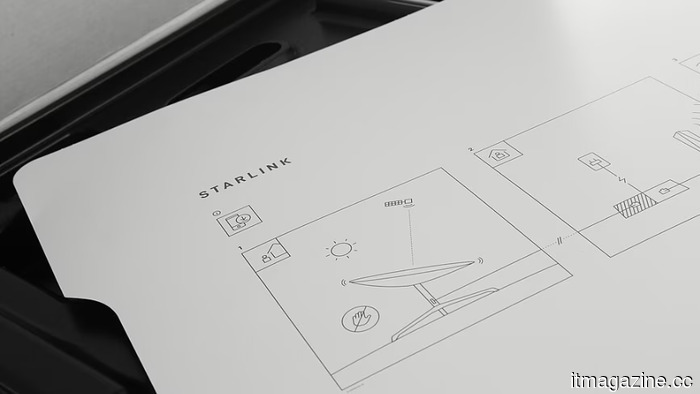
India suspended Starlink approvals due to concerns about Iran, just days prior to SpaceX's record IPO.
India has put a hold on the necessary approvals for Starlink to launch its commercial services within the country due to concerns raised by unauthorized operations in Iran, which have created doubts about New Delhi's ability to control the network. This development comes just days before SpaceX's IPO, which is projected to generate $75 billion at a valuation of $1.75 trillion.
After years of advocacy, SpaceX secured an Indian operating license in 2025 and was making progress toward a launch. However, the presence of Starlink terminals in a conflict zone without proper authorization prompted New Delhi to question whether any government could effectively regulate Musk's satellite network.
Lauren Dreyer, SpaceX's VP of Starlink operations, responded to the reports, asserting that "Starlink remains in active and productive discussions with the Government of India," countering claims based on unreliable anonymous sources. Bloomberg's report indicated that the discussions were ongoing, but approvals had been paused.
India had imposed requirements regarding local data storage and network security that SpaceX was addressing. Additionally, the country was considering a joint venture with a local telecom company for oversight. However, the incident involving Iran raised concerns that mere compliance with technical and contractual obligations may not suffice if SpaceX can independently determine its operational zones.
This isn’t the first instance where Starlink's governance has created issues. In 2022, the service was interrupted for Ukrainian forces when Musk expressed concerns regarding their military operations. Furthermore, discussions with Taiwan have encountered obstacles due to Musk's previous assertions about the island's status as part of China and SpaceX's reluctance to collaborate with local entities.
The Pentagon is currently managing Starlink's pricing amid the situation in Iran, while European regulators are moving to allocate spectrum for domestic operators, driven by worries about reliance on a US-owned network controlled by a single individual linked to the Trump administration.
For SpaceX, this delay in India poses a significant hurdle at a critical time, as customer growth for Starlink has been slowing, according to the company’s IPO filings. With a population of 1.4 billion and a substantial underserved rural demographic, India represents one of the most lucrative markets left. Each country that suspends or limits access diminishes the revenue narrative SpaceX is attempting to promote to public market investors.
A clear trend is emerging: Starlink's value hinges on its global accessibility, but the same centralized management that enhances the network's capabilities also raises alarms for governments. India has now joined the ranks of nations that have concluded that the potential risks associated with an uncontrollable satellite network may outweigh the benefits of enhanced connectivity.
Other articles
 OpenAI supports Poetic in the automation of underwriting and compliance processes.
Poetic has emerged from stealth with $50 million in funding at a $500 million valuation, supported by OpenAI, to automate underwriting, compliance, and fraud detection for companies such as AIG and SoFi.
OpenAI supports Poetic in the automation of underwriting and compliance processes.
Poetic has emerged from stealth with $50 million in funding at a $500 million valuation, supported by OpenAI, to automate underwriting, compliance, and fraud detection for companies such as AIG and SoFi.
 The CEO of Anthropic is uncertain whether Claude targeted a school in Iran.
Dario Amodei mentioned that he is unsure about the role Claude had in an attack that resulted in the deaths of 120 children at an Iranian school. The AI is integrated into the Pentagon's targeting system.
The CEO of Anthropic is uncertain whether Claude targeted a school in Iran.
Dario Amodei mentioned that he is unsure about the role Claude had in an attack that resulted in the deaths of 120 children at an Iranian school. The AI is integrated into the Pentagon's targeting system.
 KPMG discreetly gained access to a whistleblower's computer.
KPMG covertly accessed a whistleblower's work computer multiple times and shared the documents with its senior partners and CEO. While this action was legal, it raises concerns.
KPMG discreetly gained access to a whistleblower's computer.
KPMG covertly accessed a whistleblower's work computer multiple times and shared the documents with its senior partners and CEO. While this action was legal, it raises concerns.
 Within Automat's guide for expanding AI startups on AWS.
AWS Premier Partner Automat-it discusses how AI startups can prevent escalating GPU expenses, unstable deployments, and operational debt by considering cloud architecture as a strategic benefit from the outset.
Within Automat's guide for expanding AI startups on AWS.
AWS Premier Partner Automat-it discusses how AI startups can prevent escalating GPU expenses, unstable deployments, and operational debt by considering cloud architecture as a strategic benefit from the outset.
 Within Automat's guide for expanding AI startups using AWS.
AWS Premier Partner Automat-it outlines how AI startups can prevent escalating GPU expenses, unstable deployments, and operational debt by considering cloud architecture as a strategic asset from the outset.
Within Automat's guide for expanding AI startups using AWS.
AWS Premier Partner Automat-it outlines how AI startups can prevent escalating GPU expenses, unstable deployments, and operational debt by considering cloud architecture as a strategic asset from the outset.
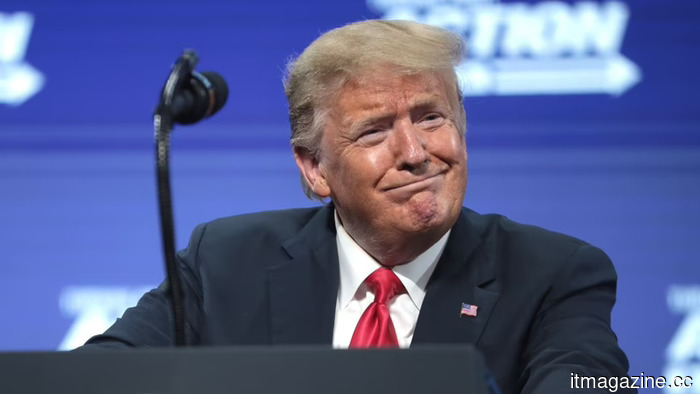 Trump Media abandons Truth Social spinoff but retains TAE merger.
Trump Media has decided to scrap its initiative to convert Truth Social into a SPAC overseen by Trump associates. The $6 billion merger deal with TAE Technologies aims for a completion date in the fourth quarter of 2026.
Trump Media abandons Truth Social spinoff but retains TAE merger.
Trump Media has decided to scrap its initiative to convert Truth Social into a SPAC overseen by Trump associates. The $6 billion merger deal with TAE Technologies aims for a completion date in the fourth quarter of 2026.
India suspended Starlink approvals due to concerns about Iran, just days prior to SpaceX's record IPO.
Indian security agencies halted the launch of Starlink after terminals were found in Iran without a license. This comes at an inconvenient time for SpaceX's $75 billion IPO.