
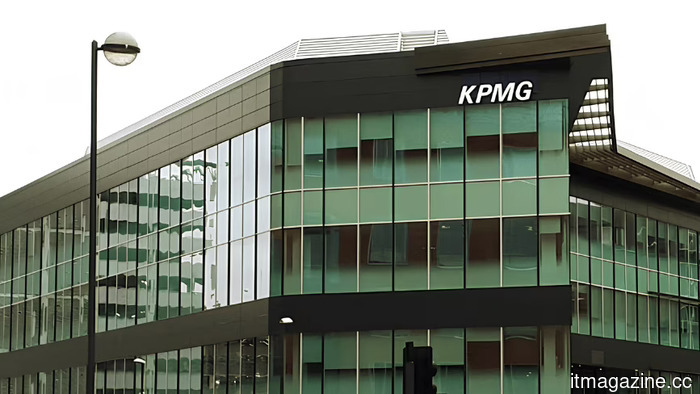
KPMG discreetly gained access to a whistleblower's computer.
KPMG covertly and consistently accessed a whistleblower's work computer to obtain documents that outlined their claims of data misuse, subsequently sharing this information with senior partners and the firm's former CEO, as reported by the Australian Financial Review. The global accounting firm was legally permitted to access an employee's work laptop.
What makes this situation particularly notable is the timing: it occurred while the whistleblower was engaged in a sensitive dispute with KPMG regarding their legal protections. The secretive retrieval, reportedly conducted by IT personnel under the direction of the firm's general counsel over approximately two years, also contradicts management's assertion that they did not have enough information to investigate.
“There appears to be a culture of misusing legal professional privilege to conceal wrongdoings within large partnerships,” stated Senator Deborah O’Neill, who presented the allegations in parliament. “The cover-up over the cover-up over the cover-up is really damaging them.”
The underlying scandal
This incident is set against one of Australia’s most significant corporate governance controversies. A former KPMG audit employee claimed that partners frequently exchanged clients' confidential information internally to secure lucrative audit contracts, including using board papers from Lendlease, one of their audit clients, to solicit work from Westpac, Dexus, and Macquarie.
The allegations, brought to light in parliament by Senator Deborah O’Neill, are disputed. KPMG initially labeled them as “unsubstantiated,” but later acknowledged that their handling of the whistleblower and the internal investigation “fell short” and were “not conducted with the required thoroughness.”
The consequences have been severe. KPMG Australia's CEO Andrew Yates and its head of audit have resigned, the corporate regulator ASIC is formally investigating partners, the firm has lost its long-standing audit contract with Lendlease, and governments are reviewing contracts exceeding A$650 million. A dozen current and former partners are set to face a parliamentary inquiry on June 19.
“If a company like KPMG can act that way towards Lendlease, they can do it to anyone,” O’Neill remarked to the ABC.
The broader implications
For those beyond the realm of Australian accounting, the detail of the laptop resonates widely. Employers already have greater surveillance capabilities over their staff than many realize, from keystroke logging to monitoring webcams, and the boundary between acceptable oversight and intrusive surveillance is thin and predominantly self-regulated. TNW has explored the extent of workplace monitoring and why companies should be cautious.
The KPMG situation sharpens this inquiry to a critical point: what occurs when an employer utilizes their legal access against the very individual attempting to bring such issues to light?
The irony is particularly pronounced for a firm that has heavily invested in technology, having recently introduced Anthropic’s Claude to all 276,000 of its employees. The very systems that enhance workplace efficiency also render employees more transparent to their employers, and the regulations governing what managers can do with this visibility are largely dictated by the managers themselves.
Australia’s assistant treasurer has indicated that the government will consider new legislation to better safeguard whistleblowers. The broader question, extending beyond KPMG, is whether the justification of “we were legally allowed to” remains satisfactory when the monitoring device is the one on every desk.
Other articles
 KPMG accessed a whistleblower's computer secretly.
KPMG covertly accessed a whistleblower's work computer multiple times and distributed the files to senior partners and its CEO. Although it was within the law, that is the issue at hand.
KPMG accessed a whistleblower's computer secretly.
KPMG covertly accessed a whistleblower's work computer multiple times and distributed the files to senior partners and its CEO. Although it was within the law, that is the issue at hand.
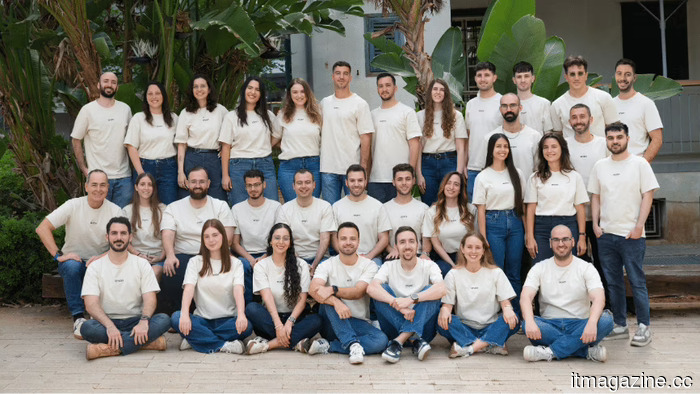 Aryon Security secures $29 million to avert cloud breaches.
Aryon Security secured $29 million in funding, supported by CrowdStrike's George Kurtz, Datadog, and Shlomo Kramer, to prevent cloud breaches before they occur.
Aryon Security secures $29 million to avert cloud breaches.
Aryon Security secured $29 million in funding, supported by CrowdStrike's George Kurtz, Datadog, and Shlomo Kramer, to prevent cloud breaches before they occur.
 Trump Media abandons Truth Social spinoff but retains TAE merger.
Trump Media has decided to scrap its initiative to convert Truth Social into a SPAC overseen by Trump associates. The $6 billion merger deal with TAE Technologies aims for a completion date in the fourth quarter of 2026.
Trump Media abandons Truth Social spinoff but retains TAE merger.
Trump Media has decided to scrap its initiative to convert Truth Social into a SPAC overseen by Trump associates. The $6 billion merger deal with TAE Technologies aims for a completion date in the fourth quarter of 2026.
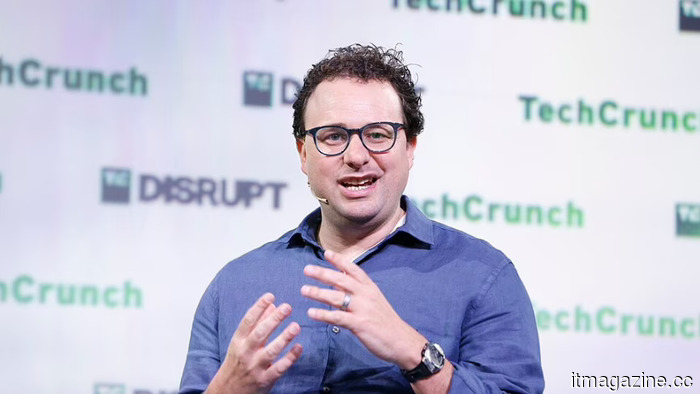 The CEO of Anthropic is unsure whether Claude targeted a school in Iran.
Dario Amodei mentioned that he is uncertain about the involvement of Claude in a strike that resulted in the deaths of 120 children at an Iranian school. The AI is integrated into the Pentagon's targeting system.
The CEO of Anthropic is unsure whether Claude targeted a school in Iran.
Dario Amodei mentioned that he is uncertain about the involvement of Claude in a strike that resulted in the deaths of 120 children at an Iranian school. The AI is integrated into the Pentagon's targeting system.
 OpenAI supports Poetic in the automation of underwriting and compliance processes.
Poetic has emerged from stealth with $50 million in funding at a $500 million valuation, supported by OpenAI, to automate underwriting, compliance, and fraud detection for companies such as AIG and SoFi.
OpenAI supports Poetic in the automation of underwriting and compliance processes.
Poetic has emerged from stealth with $50 million in funding at a $500 million valuation, supported by OpenAI, to automate underwriting, compliance, and fraud detection for companies such as AIG and SoFi.
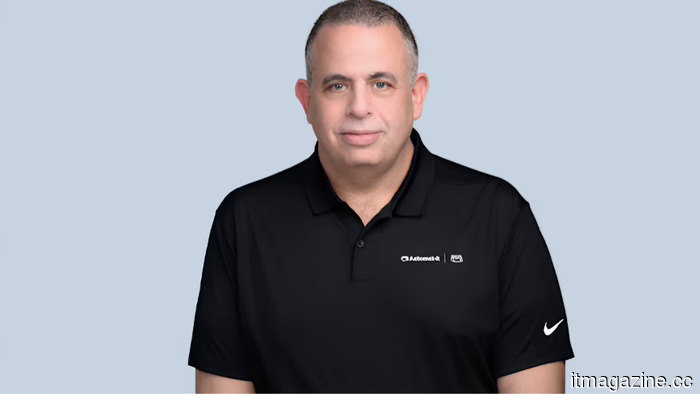 Within Automat's guide for expanding AI startups on AWS.
AWS Premier Partner Automat-it discusses how AI startups can prevent escalating GPU expenses, unstable deployments, and operational debt by considering cloud architecture as a strategic benefit from the outset.
Within Automat's guide for expanding AI startups on AWS.
AWS Premier Partner Automat-it discusses how AI startups can prevent escalating GPU expenses, unstable deployments, and operational debt by considering cloud architecture as a strategic benefit from the outset.
KPMG discreetly gained access to a whistleblower's computer.
KPMG covertly accessed a whistleblower's work computer multiple times and shared the documents with its senior partners and CEO. While this action was legal, it raises concerns.