
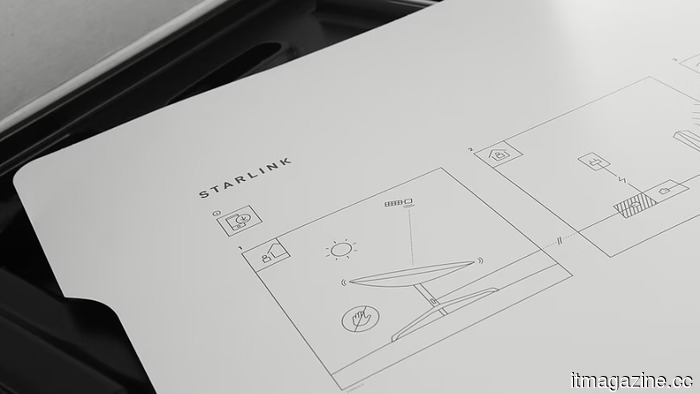
India halted Starlink's approvals due to concerns regarding Iran, just days before SpaceX’s historic IPO.
**TL;DR** India has halted the approval process for Starlink to initiate commercial operations due to concerns surrounding unauthorized usage in Iran, raising questions about New Delhi's ability to manage the network. This pause coincides with SpaceX’s upcoming IPO.
India has effectively put a hold on the necessary approvals for Starlink to commence its commercial activities in the country. The Ministry of Home Affairs’ security agencies did not grant final clearances after SpaceX permitted Starlink access in Iran without a valid operating license there, according to Bloomberg. The timing is notable, as SpaceX plans to launch its IPO, which is anticipated to generate $75 billion at a valuation of $1.75 trillion, within days.
SpaceX secured an Indian operating license in 2025 following extensive advocacy. Progress was being made for a launch; however, the emergence of Starlink terminals in an active conflict zone without necessary legal authorization raised a critical issue for New Delhi: can any government effectively control Musk's satellite network?
Lauren Dreyer, VP of Starlink operations at SpaceX, countered the reports, stating, “Starlink remains engaged in active and productive discussions with the Government of India, contrary to misleading stories based on unverified claims from anonymous sources,” in a post on X. Bloomberg reported that discussions hadn't ceased, only that approvals were currently on hold.
India had established requirements regarding local data storage and network security, which SpaceX was working to fulfill. The nation also considered requiring a joint venture with a local telecom provider to ensure oversight. However, the situation with Iran indicates that meeting technical compliance and contractual agreements may be insufficient if SpaceX can arbitrarily decide the locations of its operations.
This is not the first instance where Starlink's control structure has led to issues. In 2022, Ukrainian forces lost access to the service when Musk expressed concerns about their military advancements. Conversations regarding Taiwan have stalled due to Musk’s previous assertions regarding the island’s status as part of China and SpaceX’s reluctance to engage with local partners.
The Pentagon is also dealing with Starlink’s pricing in light of the Iran situation. Furthermore, European regulators are taking steps to reserve spectrum for domestic operators, partly due to worries about dependence on a US-owned network overseen by an individual with political connections to the Trump administration.
For SpaceX, the delay in India represents a significant growth challenge at a critical juncture. According to the company’s IPO disclosures, Starlink’s customer growth is encountering a slowdown. With a population of 1.4 billion and a substantial underserved rural demographic, India represents one of the largest untapped markets available. Every country that restricts or delays access diminishes the revenue potential SpaceX aims to present to public market investors this week.
The trend is becoming evident: Starlink's value relies on global accessibility, yet the same centralized control that enhances the network's strength creates unease among governments. India is the latest nation to evaluate that the risks associated with a satellite network lacking governmental control may outweigh the connectivity benefits it offers.
Other articles
 Trump Media abandons Truth Social spinoff but retains TAE merger.
Trump Media has decided to scrap its initiative to convert Truth Social into a SPAC overseen by Trump associates. The $6 billion merger deal with TAE Technologies aims for a completion date in the fourth quarter of 2026.
Trump Media abandons Truth Social spinoff but retains TAE merger.
Trump Media has decided to scrap its initiative to convert Truth Social into a SPAC overseen by Trump associates. The $6 billion merger deal with TAE Technologies aims for a completion date in the fourth quarter of 2026.
 Russia lifts the ban on Roblox following complaints from 63,000 children.
Russia has reestablished access to Roblox after having banned the gaming platform in December. This change came after receiving 63,000 complaints from children, with half expressing a desire to leave Russia.
Russia lifts the ban on Roblox following complaints from 63,000 children.
Russia has reestablished access to Roblox after having banned the gaming platform in December. This change came after receiving 63,000 complaints from children, with half expressing a desire to leave Russia.
 Within Automat's guide for expanding AI startups using AWS.
AWS Premier Partner Automat-it outlines how AI startups can prevent escalating GPU expenses, unstable deployments, and operational debt by considering cloud architecture as a strategic asset from the outset.
Within Automat's guide for expanding AI startups using AWS.
AWS Premier Partner Automat-it outlines how AI startups can prevent escalating GPU expenses, unstable deployments, and operational debt by considering cloud architecture as a strategic asset from the outset.
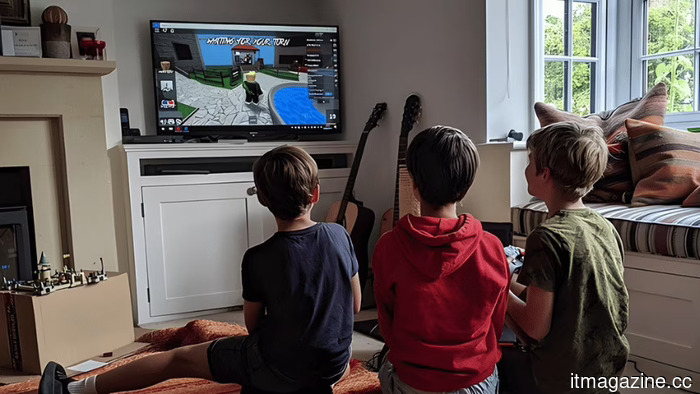 Russia lifts the ban on Roblox following complaints from 63,000 children.
Russia has reinstated access to Roblox following a ban imposed in December. This change came after the receipt of 63,000 complaint letters from children, with half expressing a desire to leave the country.
Russia lifts the ban on Roblox following complaints from 63,000 children.
Russia has reinstated access to Roblox following a ban imposed in December. This change came after the receipt of 63,000 complaint letters from children, with half expressing a desire to leave the country.
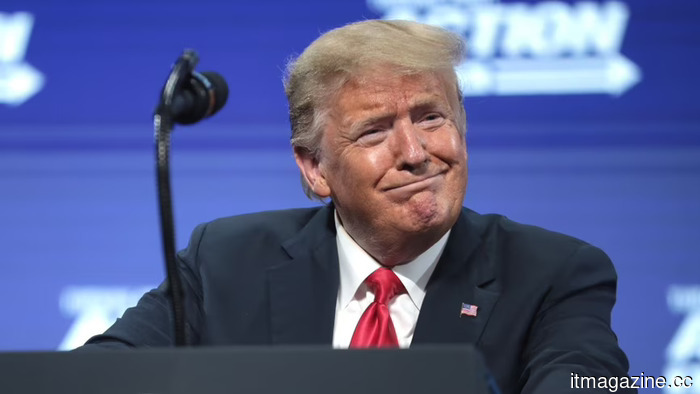 Trump Media abandons Truth Social spinoff but retains TAE merger.
Trump Media has pulled back from its intention to convert Truth Social into a SPAC managed by Trump associates. The $6 billion merger with TAE Technologies aims for a completion by the fourth quarter of 2026.
Trump Media abandons Truth Social spinoff but retains TAE merger.
Trump Media has pulled back from its intention to convert Truth Social into a SPAC managed by Trump associates. The $6 billion merger with TAE Technologies aims for a completion by the fourth quarter of 2026.
 KPMG accessed a whistleblower's computer secretly.
KPMG covertly accessed a whistleblower's work computer multiple times and distributed the files to senior partners and its CEO. Although it was within the law, that is the issue at hand.
KPMG accessed a whistleblower's computer secretly.
KPMG covertly accessed a whistleblower's work computer multiple times and distributed the files to senior partners and its CEO. Although it was within the law, that is the issue at hand.
India halted Starlink's approvals due to concerns regarding Iran, just days before SpaceX’s historic IPO.
Indian security authorities halted the launch of Starlink after terminals were spotted in Iran without authorization. This development comes at an inconvenient time for SpaceX's $75 billion IPO.