
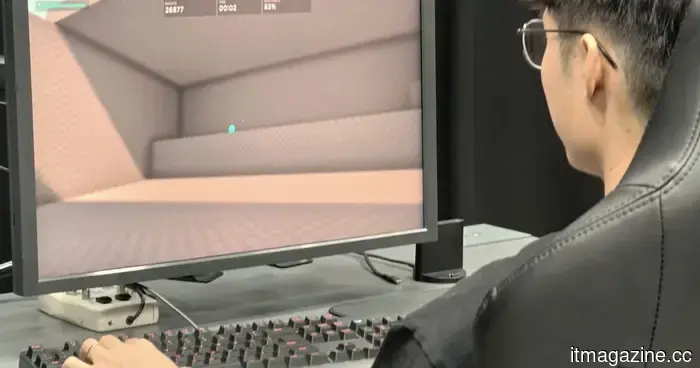
BenQ's ZOWIE is approaching gaming equipment with the mindset of sports science, and as an esports enthusiast, I find it fantastic.
I've always fully supported the argument that "games are an art form" and how esports bear many similarities to traditional sports. From rigorous training regimens and physical conditioning to strict dietary plans, there is a dedicated team focused on ensuring professional players operate at their best. After touring BenQ’s lab in Taiwan, I witnessed the genuine scientific work occurring behind the scenes.
For those who engage in competitive gaming, much of this may seem quite evident. Games such as Counter-Strike, Valorant, Apex Legends, and other esports are far from casual screen time at the elite level. They rely on reaction speed, dexterity, stamina, consistency, communication, and the capability to execute precise actions under pressure. This is where BenQ's ZOWIE lab takes its work seriously.
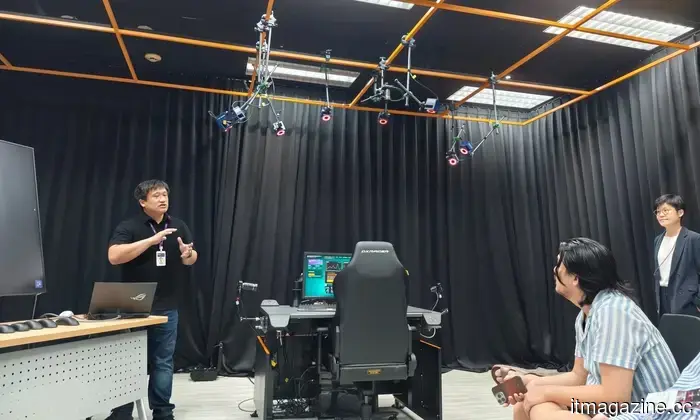
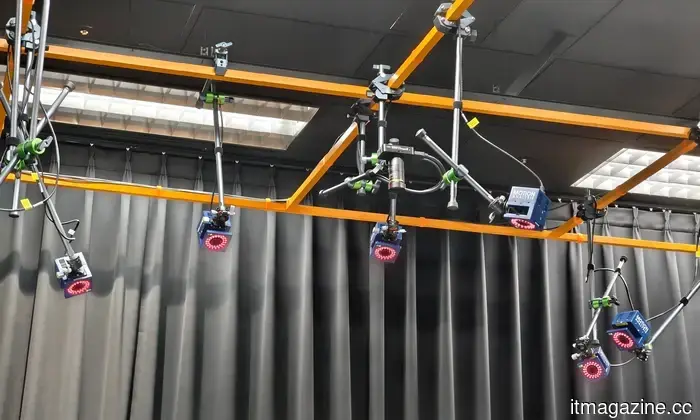
BenQ has always had a solid reputation in display technology, but the ZOWIE division has made it clear that they are equally rigorous about their peripherals. During the tour, I observed a proper lab setup complete with high-speed cameras, motion sensors, testing stations, and intricate tracking systems aimed at understanding how players actually engage with a mouse.
This was not simply a "make it lighter and label it for esports" initiative. The team discussed the importance of designing for the highest levels of gaming, where even the slightest variations in shape, grip, movement, comfort, and fatigue can be significant.
The science behind a single click
What intrigued me most was the depth of their testing. ZOWIE’s mouse research team examines qualitative interviews, grip styles, hand sizes, thermochromic ink for contact areas, game performance, motion capture, and electromyography (EMG) to analyze muscle activation and fatigue. This already seems like a considerable amount of work for a gaming peripheral, but it serves a vital purpose.
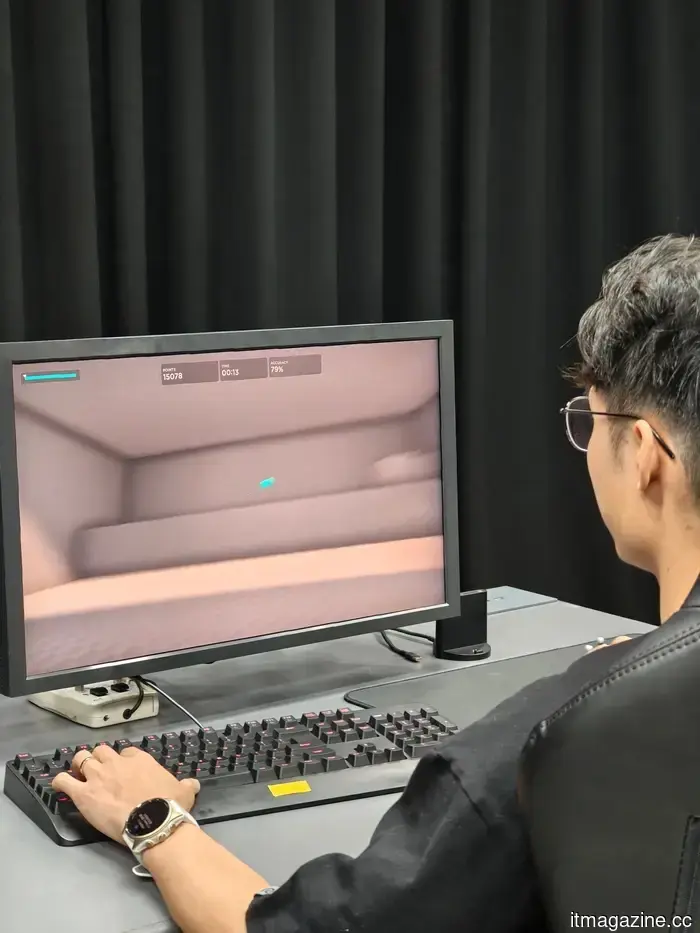
To put it simply, they aim to measure why something feels comfortable, where the hand makes contact, how the wrist moves, the speed of the mouse, which muscles are engaged, and whether the design actually enhances performance. During the demo, the motion-capture setup resembled something you'd expect from a sports biomechanics laboratory rather than a gaming accessory company. Cameras and sensors were tracking hand positions and mouse movements while a player undertook in-game tasks.
The primary objective was to understand the connection between the hand and the mouse. A mouse might be comfortable for a short period but could become tiring during extended use, and not all shapes can accommodate every grip style.
ZOWIE’s focus on the finer details
The brand has consistently maintained a very targeted identity in esports. Its understated designs, often devoid of flashy RGB lighting, may not appeal to the average gamer, but ZOWIE has never prioritized aesthetics. It is centered on competitive functionality, which is precisely why many professionals still prefer the ZOWIE gaming mouse, particularly for first-person shooters. Over the years, this evolution has allowed the brand to broaden its focus beyond craftsmanship and player feedback to include scientific and quantitative measures.
I am accustomed to seeing gaming gear promoted with bold claims and flashy terminology. However, what BenQ presented was something more methodical, utilizing cameras, sensors, hand tracking, muscle data, player insights, and a sincere effort to comprehend how competitive gaming operates on a physiological level. It’s refreshing to witness esports receiving the seriousness it deserves.
Other articles
 Legora launches offices in Madrid, Milan, and Paris, as well as an engineering hub in London.
The legal AI startup Legora, valued at $5.6 billion, has launched in Madrid, Milan, and Paris, while establishing an engineering center in London with the aim of hiring 700 employees across the EMEA region. The current number of employees is not disclosed.
Legora launches offices in Madrid, Milan, and Paris, as well as an engineering hub in London.
The legal AI startup Legora, valued at $5.6 billion, has launched in Madrid, Milan, and Paris, while establishing an engineering center in London with the aim of hiring 700 employees across the EMEA region. The current number of employees is not disclosed.
 This bionic kneading neck massager with heat is the Father's Day gift that is truly appreciated and utilized.
This post is presented in collaboration with SKG. If you've ever purchased a gift that ended up collecting dust by July, this is the one that will change that trend. The SKG PS700 neck massager is priced at $199.99, and unlike many novelty items found in the gift section, it’s designed for daily use. […]
This bionic kneading neck massager with heat is the Father's Day gift that is truly appreciated and utilized.
This post is presented in collaboration with SKG. If you've ever purchased a gift that ended up collecting dust by July, this is the one that will change that trend. The SKG PS700 neck massager is priced at $199.99, and unlike many novelty items found in the gift section, it’s designed for daily use. […]
 Meta rejected the use of facial recognition technology in its AI smart glasses and subsequently discreetly removed any related evidence.
A dormant face-recognition code was said to have surfaced in Meta’s smart glasses application, only to vanish following examination. This has placed Meta's AI eyewear initiatives once again in the spotlight regarding privacy concerns.
Meta rejected the use of facial recognition technology in its AI smart glasses and subsequently discreetly removed any related evidence.
A dormant face-recognition code was said to have surfaced in Meta’s smart glasses application, only to vanish following examination. This has placed Meta's AI eyewear initiatives once again in the spotlight regarding privacy concerns.
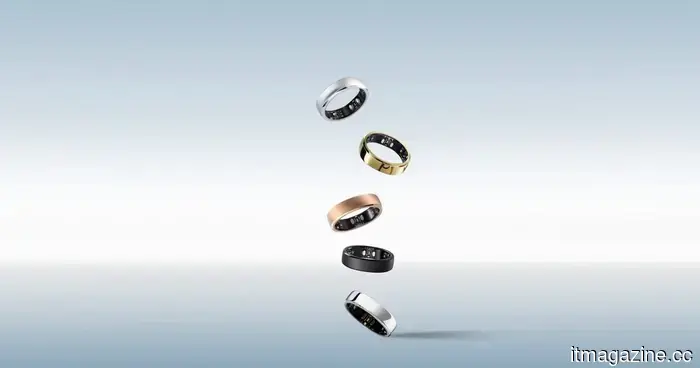 RingConn Gen 3 Smart Ring Unveils the Subtle Patterns of Daily Wellbeing
What if the key indicators of wellbeing are those we often overlook? The most significant insights might stem from ongoing patterns rather than just a single day. Centered around vascular trend monitoring, the RingConn Gen 3 Smart Ring aims to highlight these patterns, all while featuring no subscription costs and a limited-time 10% discount.
RingConn Gen 3 Smart Ring Unveils the Subtle Patterns of Daily Wellbeing
What if the key indicators of wellbeing are those we often overlook? The most significant insights might stem from ongoing patterns rather than just a single day. Centered around vascular trend monitoring, the RingConn Gen 3 Smart Ring aims to highlight these patterns, all while featuring no subscription costs and a limited-time 10% discount.
 Marshall’s latest Stockwell III addresses an issue that many Bluetooth speakers overlook.
The latest Stockwell III offers extended battery life and enhanced durability, yet its most intriguing aspect isn't related to music at all.
Marshall’s latest Stockwell III addresses an issue that many Bluetooth speakers overlook.
The latest Stockwell III offers extended battery life and enhanced durability, yet its most intriguing aspect isn't related to music at all.
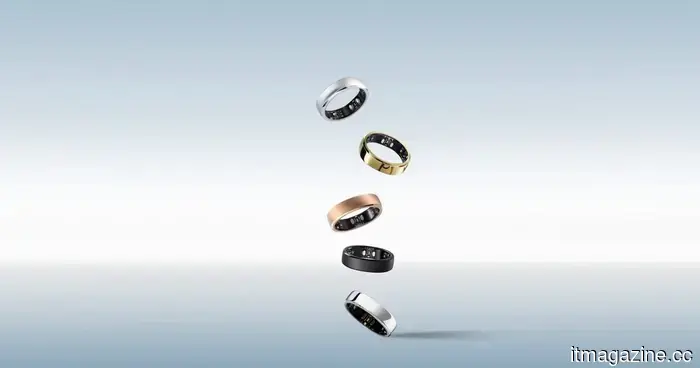 RingConn Gen 3 Smart Ring Uncovers the Subtle Patterns of Daily Wellbeing
What if the crucial signals for wellbeing are the ones we often overlook? The most significant insights might stem from ongoing patterns rather than just a single day. Centered around vascular trend monitoring, the RingConn Gen 3 Smart Ring aims to highlight these patterns, all without any subscription costs and currently offering a limited-time 10% discount.
RingConn Gen 3 Smart Ring Uncovers the Subtle Patterns of Daily Wellbeing
What if the crucial signals for wellbeing are the ones we often overlook? The most significant insights might stem from ongoing patterns rather than just a single day. Centered around vascular trend monitoring, the RingConn Gen 3 Smart Ring aims to highlight these patterns, all without any subscription costs and currently offering a limited-time 10% discount.
BenQ's ZOWIE is approaching gaming equipment with the mindset of sports science, and as an esports enthusiast, I find it fantastic.
Within BenQ's ZOWIE lab, I witnessed how sports science, player statistics, and the narrow margins that determine the outcomes of competitive matches influence the design of gaming mice and monitors.