

Meta rejected the use of facial recognition technology in its AI smart glasses and subsequently discreetly removed any related evidence.
Meta's face-recognition past complicates its smart glasses ambitions
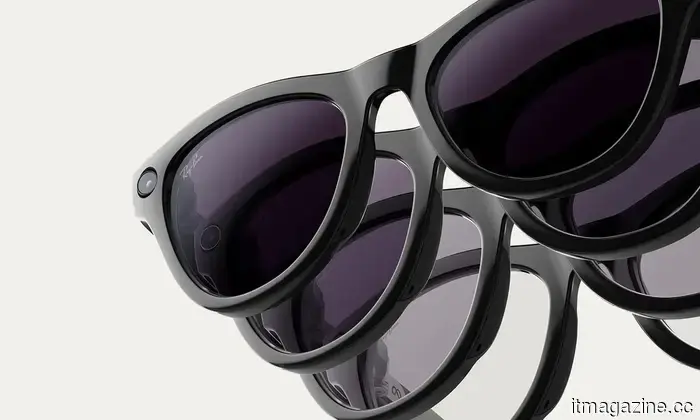
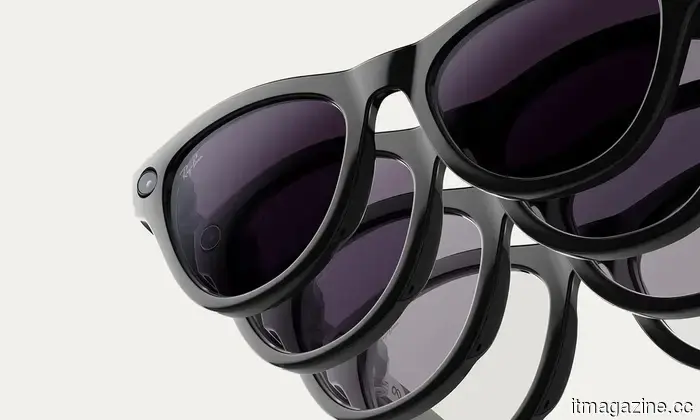
Meta's privacy concerns regarding its smart glasses have resurfaced. After WIRED discovered inactive face-identification references within the Meta AI app, this same code has reportedly disappeared following a subsequent app update.
The smart glasses app showed signs of face-ID experimentation
The code appeared to be associated with an internal project known as "NameTag." WIRED noted that while the system was not active for users, its existence indicated that Meta was exploring how facial identification could function within its smart glasses framework.
As reported by WIRED, the inactive system seemed to convert faces into on-device identifiers that could be linked with previously stored data. Although this doesn't imply a public rollout of facial recognition on Ray-Ban Meta smart glasses, it highlights why this discovery has raised concerns.
The situation is more delicate since this was not hidden in a research demo or a developer-only version. It was found in the app that regular smart glasses users utilize. For a camera-equipped device intended for public use, even inactive references to face recognition provoke questions regarding consent and how much users are informed about the testing happening behind the scenes.
Civil rights organizations were already raising concerns
This was not the first indication of trouble regarding Meta's smart glasses aspirations. Civil rights groups had previously expressed dissatisfaction with Meta's plans to introduce facial recognition technology to its AI glasses. Advocates argued that a feature capable of identifying individuals through wearable cameras could pose privacy risks for those being scanned without consent, while also increasing surveillance in everyday public environments.
This concern has intensified following the removal of the code. Meta communications executive Andy Stone informed WIRED that the feature was part of a pilot program, and the company had yet to decide on its implementation. This may clarify the absence of the feature but does not address why face-ID code was present in an app designed for everyday smart glasses owners.
Meta's history with this technology adds weight to the issue. In 2021, Facebook announced it would discontinue its facial recognition system and erase recognition templates for over a billion users, citing privacy and regulatory issues. The recent findings do not confirm that facial recognition will soon be available on Meta glasses. However, the emergence of dormant face-ID code in a consumer app followed by its disappearance after being reported makes it difficult to dismiss Meta's interest as merely theoretical.





Other articles
 This bionic kneading neck massager with heat is the Father's Day gift that is truly appreciated and utilized.
This post is presented in collaboration with SKG. If you've ever purchased a gift that ended up collecting dust by July, this is the one that will change that trend. The SKG PS700 neck massager is priced at $199.99, and unlike many novelty items found in the gift section, it’s designed for daily use. […]
This bionic kneading neck massager with heat is the Father's Day gift that is truly appreciated and utilized.
This post is presented in collaboration with SKG. If you've ever purchased a gift that ended up collecting dust by July, this is the one that will change that trend. The SKG PS700 neck massager is priced at $199.99, and unlike many novelty items found in the gift section, it’s designed for daily use. […]
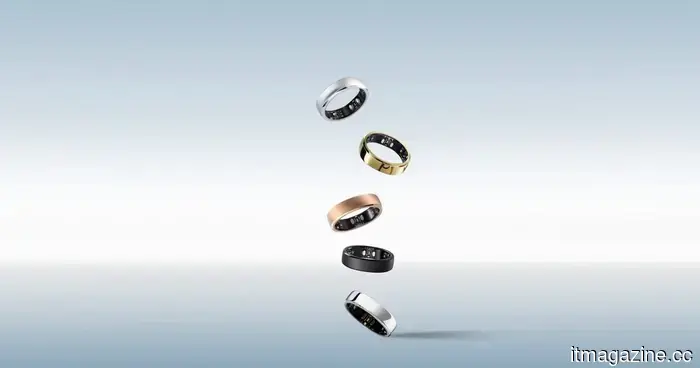 RingConn Gen 3 Smart Ring Unveils the Subtle Patterns of Daily Wellbeing
What if the key indicators of wellbeing are those we often overlook? The most significant insights might stem from ongoing patterns rather than just a single day. Centered around vascular trend monitoring, the RingConn Gen 3 Smart Ring aims to highlight these patterns, all while featuring no subscription costs and a limited-time 10% discount.
RingConn Gen 3 Smart Ring Unveils the Subtle Patterns of Daily Wellbeing
What if the key indicators of wellbeing are those we often overlook? The most significant insights might stem from ongoing patterns rather than just a single day. Centered around vascular trend monitoring, the RingConn Gen 3 Smart Ring aims to highlight these patterns, all while featuring no subscription costs and a limited-time 10% discount.
 Meta rejected the use of face scanning technology in its AI smartglasses and subsequently discreetly removed any evidence of it.
Code for face recognition that was inactive reportedly surfaced in Meta's smart glasses application, only to vanish following examination. This has once again brought Meta's AI eyewear initiatives under the scrutiny of privacy concerns.
Salesforce has acquired m3ter to integrate consumption-based billing into Agentforce.
Salesforce is purchasing m3ter, a metering and rating platform located in London that specializes in usage-based billing, to incorporate native consumption pricing into Agentforce.
Meta rejected the use of face scanning technology in its AI smartglasses and subsequently discreetly removed any evidence of it.
Code for face recognition that was inactive reportedly surfaced in Meta's smart glasses application, only to vanish following examination. This has once again brought Meta's AI eyewear initiatives under the scrutiny of privacy concerns.
Salesforce has acquired m3ter to integrate consumption-based billing into Agentforce.
Salesforce is purchasing m3ter, a metering and rating platform located in London that specializes in usage-based billing, to incorporate native consumption pricing into Agentforce.
 This heated bionic-kneading neck massager is the perfect Father’s Day gift that will be appreciated and used.
This post is presented in collaboration with SKG. If you've ever purchased a gift that ended up collecting dust by July, this is the one that will change that trend. The SKG PS700 neck massager is priced at $199.99, and unlike many novelty items found in the gift section, it’s designed for everyday use. [...]
This heated bionic-kneading neck massager is the perfect Father’s Day gift that will be appreciated and used.
This post is presented in collaboration with SKG. If you've ever purchased a gift that ended up collecting dust by July, this is the one that will change that trend. The SKG PS700 neck massager is priced at $199.99, and unlike many novelty items found in the gift section, it’s designed for everyday use. [...]
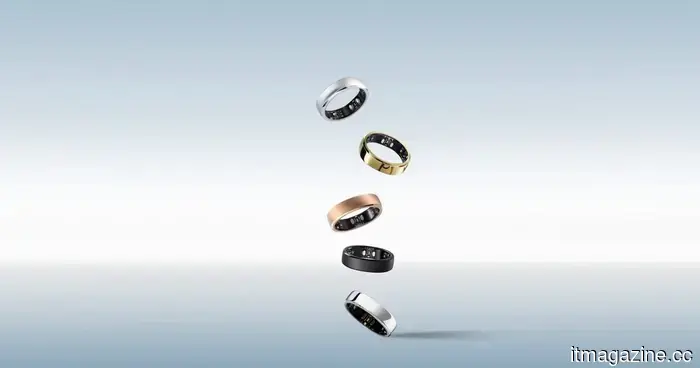 RingConn Gen 3 Smart Ring Uncovers the Subtle Patterns of Daily Wellbeing
What if the crucial signals for wellbeing are the ones we often overlook? The most significant insights might stem from ongoing patterns rather than just a single day. Centered around vascular trend monitoring, the RingConn Gen 3 Smart Ring aims to highlight these patterns, all without any subscription costs and currently offering a limited-time 10% discount.
RingConn Gen 3 Smart Ring Uncovers the Subtle Patterns of Daily Wellbeing
What if the crucial signals for wellbeing are the ones we often overlook? The most significant insights might stem from ongoing patterns rather than just a single day. Centered around vascular trend monitoring, the RingConn Gen 3 Smart Ring aims to highlight these patterns, all without any subscription costs and currently offering a limited-time 10% discount.
Meta rejected the use of facial recognition technology in its AI smart glasses and subsequently discreetly removed any related evidence.
A dormant face-recognition code was said to have surfaced in Meta’s smart glasses application, only to vanish following examination. This has placed Meta's AI eyewear initiatives once again in the spotlight regarding privacy concerns.