
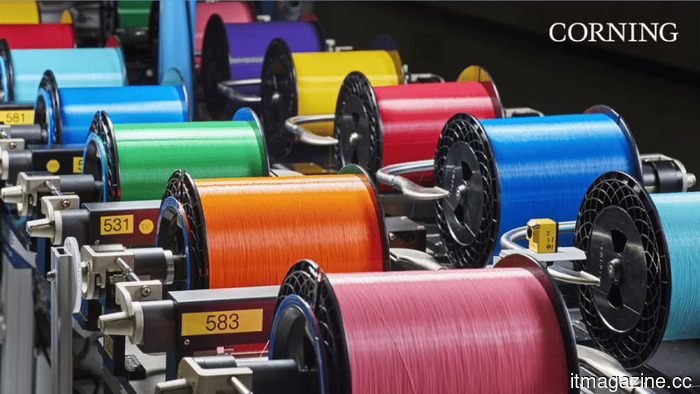
Amazon's agreement with Corning indicates that fiber is the new limitation for AI.
The AI surge relies on chips and electricity, but it also depends on glass. According to a joint announcement on Monday, Amazon is set to pay Corning billions for optical fiber to equip its rapidly growing data centers across the US. This multi-year contract is expected to create around 1,000 jobs at Corning’s factories in North Carolina, although the total value and duration of the agreement were not disclosed.
Corning’s stock rose by 9 percent following the news, while Amazon’s shares increased by about 1 percent. Fibre-optic cables have become a vital, though low-profile, component of the AI infrastructure. The training and operation of large models require the swift transfer of massive data volumes between data centers and their internal racks and chips, all of which relies on glass.
As demand for computing power skyrockets, so does the necessity for the cables that connect everything. For Corning, this deal marks the conclusion of an impressive year. Known primarily for the display glass used in Apple’s iPhones, the 175-year-old company has quietly emerged as one of the largest beneficiaries of the AI boom. The Amazon contract builds on substantial investments from Meta of up to $6 billion in January and Nvidia’s pledge of up to $3.2 billion in May to establish three plants specifically for the chipmaker.
Corning’s stock has more than doubled this year and is nearly six times higher than at the end of 2023. “Next year, the hyperscalers will be our biggest customers,” CEO Wendell Weeks told CNBC earlier this year, a forecast that the Amazon deal brings closer to reality. He described the agreement as “a significant milestone for Corning and for American manufacturing.”
For Amazon, this is another addition to its vast infrastructure budget. The company is on track to invest around $200 billion this year in the data centers, chips, and networking required for its AI initiatives, having committed $10 billion specifically for the North Carolina data centers and up to $25 billion to Anthropic to secure demand for that infrastructure. The fiber is essential for linking all these developments.
There is also a political angle. The Trump administration has urged major tech companies to localize as much of the AI supply chain as possible, and a US glass manufacturer employing 1,000 American workers to support domestic data centers aligns well with the narrative the White House wants to promote.
While Weeks acknowledged that most of Corning’s business remains international and that this situation is unlikely to change, the share of AI-driven, domestically produced goods is expanding rapidly.
The broader implication is where the limitations in AI are shifting. The competition initially focused on chips and investment, then on power supply. Increasingly, it has evolved to include the essential infrastructure—fiber, connectors, and manufacturing—that transforms a warehouse full of GPUs into a functional data center. In an unexpected turn, Corning finds itself at the intersection of all three areas as hyperscalers continue to strive for quicker expansion than the supply chain can accommodate.
Other articles
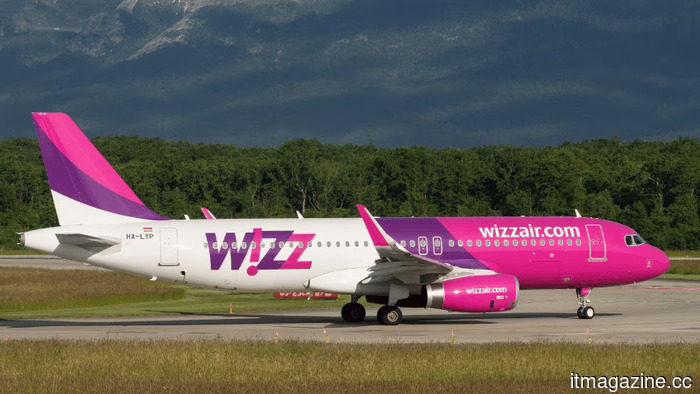 Wizz Air plans to implement Starlink Wi-Fi on its aircraft starting in 2027.
Wizz Air will become the first budget airline in Europe to provide Starlink in-flight internet starting in 2027, taking a financial risk that rivals Ryanair and EasyJet have thus far chosen to steer clear of.
Wizz Air plans to implement Starlink Wi-Fi on its aircraft starting in 2027.
Wizz Air will become the first budget airline in Europe to provide Starlink in-flight internet starting in 2027, taking a financial risk that rivals Ryanair and EasyJet have thus far chosen to steer clear of.
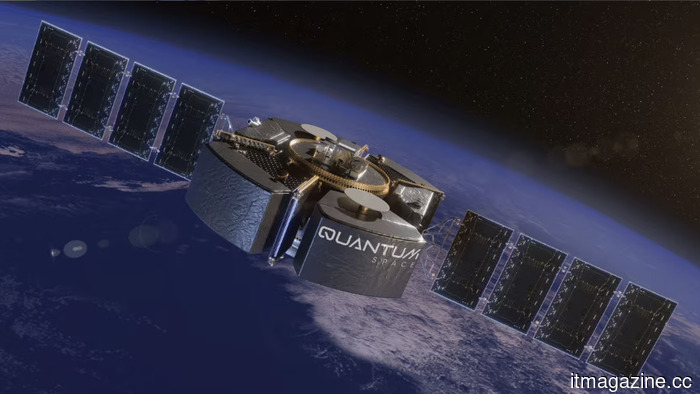 Former NASA chief takes Quantum Space public with a valuation of $1.2 billion.
Quantum Space, founded by Jim Bridenstine, is going public through a $1.2 billion SPAC merger aimed at developing maneuverable spacecraft for the upcoming space race, with plans to list on Nasdaq under the ticker QSPC.
Former NASA chief takes Quantum Space public with a valuation of $1.2 billion.
Quantum Space, founded by Jim Bridenstine, is going public through a $1.2 billion SPAC merger aimed at developing maneuverable spacecraft for the upcoming space race, with plans to list on Nasdaq under the ticker QSPC.
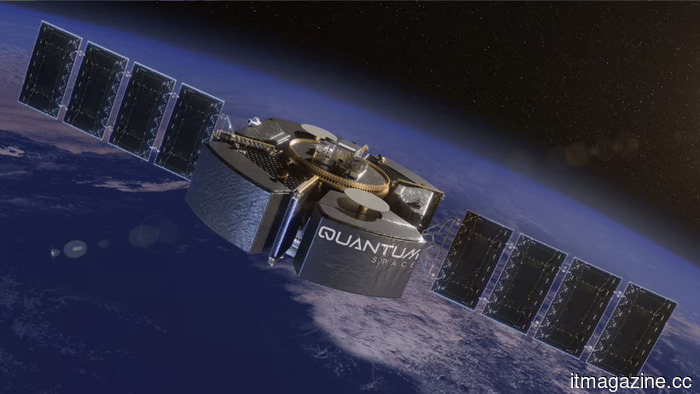 Former NASA chief brings Quantum Space to the public market with a valuation of $1.2 billion.
Jim Bridenstine's Quantum Space is set to go public through a $1.2 billion SPAC merger, aiming to create maneuverable spacecraft for the upcoming space race, and will be listed on Nasdaq as QSPC.
Former NASA chief brings Quantum Space to the public market with a valuation of $1.2 billion.
Jim Bridenstine's Quantum Space is set to go public through a $1.2 billion SPAC merger, aiming to create maneuverable spacecraft for the upcoming space race, and will be listed on Nasdaq as QSPC.
 Google and Nvidia are considering Intel as a secondary option to TSMC for AI chip production.
Google has placed an order for over 3 million TPUs from Intel for 2028, while Nvidia is evaluating its 18A manufacturing process, reflecting a rare show of trust in the struggling US semiconductor industry as TSMC faces challenges.
Google and Nvidia are considering Intel as a secondary option to TSMC for AI chip production.
Google has placed an order for over 3 million TPUs from Intel for 2028, while Nvidia is evaluating its 18A manufacturing process, reflecting a rare show of trust in the struggling US semiconductor industry as TSMC faces challenges.
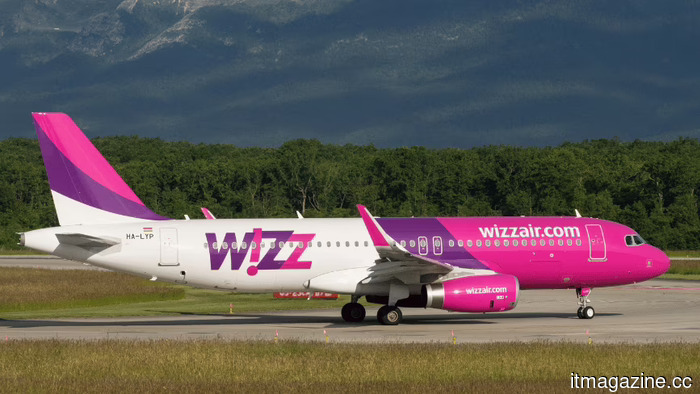 Wizz Air will install Starlink Wi-Fi on its aircraft starting in 2027.
Wizz Air is set to become the first European low-cost airline to provide Starlink in-flight internet starting in 2027, taking a financial risk that competitors Ryanair and EasyJet have so far steered clear of.
Wizz Air will install Starlink Wi-Fi on its aircraft starting in 2027.
Wizz Air is set to become the first European low-cost airline to provide Starlink in-flight internet starting in 2027, taking a financial risk that competitors Ryanair and EasyJet have so far steered clear of.
 Google and Nvidia are considering Intel as an alternative to TSMC for AI chip production.
Google has placed an order for over 3 million TPUs from Intel for the year 2028, while Nvidia is evaluating its 18A technology, reflecting a rare show of confidence in the struggling US foundry as TSMC faces challenges.
Google and Nvidia are considering Intel as an alternative to TSMC for AI chip production.
Google has placed an order for over 3 million TPUs from Intel for the year 2028, while Nvidia is evaluating its 18A technology, reflecting a rare show of confidence in the struggling US foundry as TSMC faces challenges.
Amazon's agreement with Corning indicates that fiber is the new limitation for AI.
Amazon is investing billions in Corning for optical fiber to connect its AI data centers in the US, marking the glassmaker's third major AI deal of 2026, following agreements with Meta and Nvidia.