
Oura discloses the two activities that its smart ring mistakenly interprets as being involved in unsanitary bed activities.
The CEO of Oura Ring recently addressed a range of uncomfortable questions that you might have hesitated to ask.
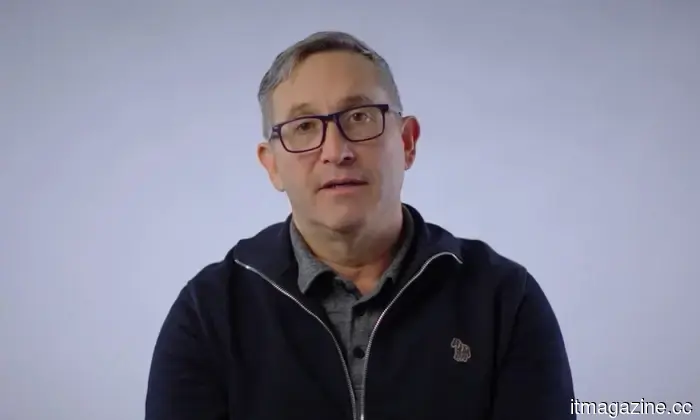
Oura CEO Tom Hale had a conversation with the Wall Street Journal where he discussed the Oura Ring, and it was just as intriguing as one would expect. While there are serious discussions about health monitoring and the future of AI in medicine, let's tackle the biggest issue first.
Hale revealed the two activities that the smart ring frequently confuses with sexual activity. In the complete video, he talks about the newest Oura Ring 5, which is 40% smaller, health-related anxiety, and the types of activities users are most interested in tracking.
Can the Oura Ring recognize sexual activity?
Getting right to the juicy details, the Oura Ring can technically make a fairly accurate guess about whether you are, as Hale diplomatically expresses, partaking in that specific activity.
However, the company has consciously chosen not to directly address this matter. Users do have the option to manually label an activity as sex within the app if that is significant to them.
The humorous part comes from what the ring mistakenly classifies as sexual activity. Hale mentioned that the Oura team found on Reddit that wrestling and horseback riding are the two activities most often inaccurately identified as intimate. He relayed this with a straight face, adding, “I’ll let you make your own deductions.”
What other insights does the CEO provide?
Moving beyond the provocative topics, Hale shared some genuinely intriguing insights. He emphasized that sleep is the metric he values most, describing it as the core of all health and recovery. He also expressed a personal fascination with glucose levels, a focus that has proven costly for him.
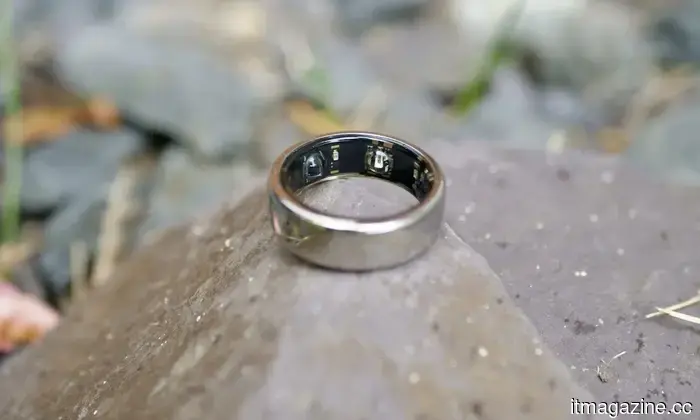
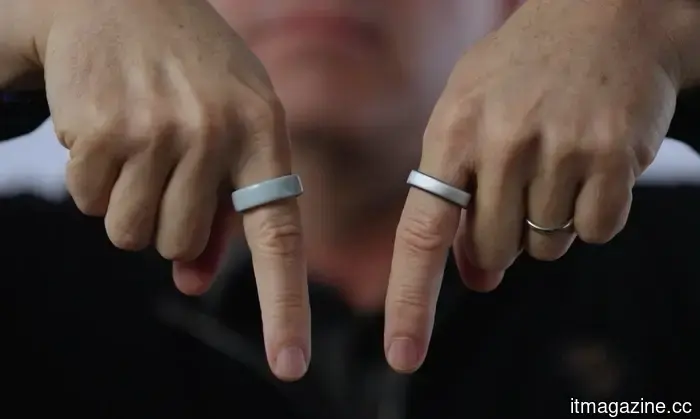
On the hardware side, Hale spoke about the forthcoming Oura Ring 5, which is approximately 40% smaller than its predecessors. It is designed for individuals with smaller hands and for men seeking a size that resembles a wedding band.
In a significant revelation, Hale hinted at an AI clinician that will be integrated into the app, suggesting that the future of healthcare may involve a smart ring that understands your body better than you do and can provide preventive health advice.
This reflects a trend in the industry. Recently, Samsung introduced its own AI health coach, and Google’s Fitbit Air is following suit. I remain skeptical about these AI health coaches, and only time will reveal which of them are genuinely helpful and which are merely capitalizing on the AI trend.

Other articles
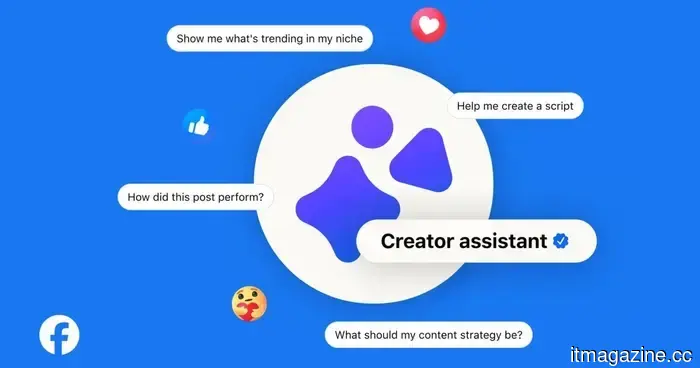 Facebook's latest AI Creator Assistant aims to serve as your personal content strategist.
Meta has introduced Creator Assistant, a conversational AI feature integrated into the Facebook creator dashboard. This tool assesses your content's performance, clarifies the reasons behind its success, and proposes new ideas inspired by current trends.
Facebook's latest AI Creator Assistant aims to serve as your personal content strategist.
Meta has introduced Creator Assistant, a conversational AI feature integrated into the Facebook creator dashboard. This tool assesses your content's performance, clarifies the reasons behind its success, and proposes new ideas inspired by current trends.
 If you request it while using Drive, Google will scan through your Gmail inbox.
Google is enhancing Ask Gemini in Drive by allowing users to incorporate Gmail threads as sources for AI-driven responses, summaries, and interconnected workplace insights.
If you request it while using Drive, Google will scan through your Gmail inbox.
Google is enhancing Ask Gemini in Drive by allowing users to incorporate Gmail threads as sources for AI-driven responses, summaries, and interconnected workplace insights.
 U.S. officials have talked about obtaining government shares in AI companies.
According to NOTUS, senior U.S. officials have initiated preliminary discussions with AI companies regarding the government purchasing stakes, a concept that Sam Altman has suggested since 2025.
U.S. officials have talked about obtaining government shares in AI companies.
According to NOTUS, senior U.S. officials have initiated preliminary discussions with AI companies regarding the government purchasing stakes, a concept that Sam Altman has suggested since 2025.
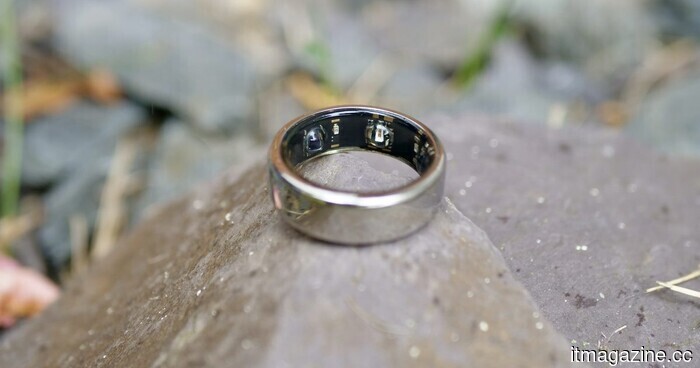 Oura discloses the two activities that its smart ring misinterprets as being tangled in the sheets.
Oura CEO Tom Hale spoke with the WSJ to respond to questions about the smart ring, and the responses are both intriguing and amusing.
Oura discloses the two activities that its smart ring misinterprets as being tangled in the sheets.
Oura CEO Tom Hale spoke with the WSJ to respond to questions about the smart ring, and the responses are both intriguing and amusing.
 Meta is alleged to be developing facial recognition capabilities for its AI smart glasses.
A WIRED investigation suggests that Meta has discreetly integrated facial recognition technology into its smart glasses ecosystem, reigniting privacy worries regarding biometric surveillance and wearable AI.
Meta is alleged to be developing facial recognition capabilities for its AI smart glasses.
A WIRED investigation suggests that Meta has discreetly integrated facial recognition technology into its smart glasses ecosystem, reigniting privacy worries regarding biometric surveillance and wearable AI.
 Brave Origin is a streamlined browser that removes all the unnecessary details, but obtaining it comes at a cost of $60.
Brave has introduced Origin, a browser priced at $59.99 that eliminates several features. Critics, however, contend that these features can already be turned off at no cost.
Brave Origin is a streamlined browser that removes all the unnecessary details, but obtaining it comes at a cost of $60.
Brave has introduced Origin, a browser priced at $59.99 that eliminates several features. Critics, however, contend that these features can already be turned off at no cost.
Oura discloses the two activities that its smart ring mistakenly interprets as being involved in unsanitary bed activities.
Oura CEO Tom Hale spoke with the WSJ to address inquiries about the smart ring, and his responses are both intriguing and amusing.