
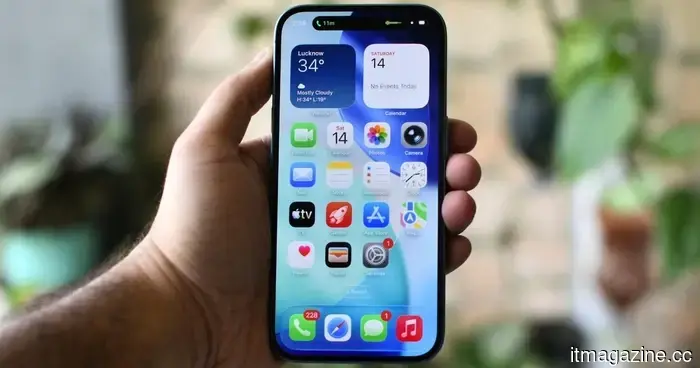
Filtr aims to eliminate advertisements from nearly all applications on your iPhone and Mac.
Ad blockers have typically resided within web browsers, discreetly refining websites while leaving other applications unaffected. A new tool named Filtr aims to alter this by introducing system-wide ad and tracker blocking for Apple devices, potentially transforming how users interact with apps on iPhones, iPads, and Macs.
Filtr is being marketed as a privacy-centric utility capable of blocking ads and tracking requests across nearly all applications on Apple devices. Developed by the creator of the Wipr ad blocker, the tool reportedly utilizes Apple’s newer URL Filtering framework, which was incorporated in recent operating system updates. Rather than depending on a conventional VPN tunnel to scrutinize traffic, Filtr operates directly through Apple's native filtering systems to recognize and prevent unwanted network requests before they are executed.
Apple’s ecosystem may be moving into a new era of ad blocking.
What sets Filtr apart is its reach beyond Safari. Most current ad blockers primarily target websites within browsers, but mobile advertising has increasingly transitioned to standalone applications where users spend the majority of their time. Social media apps, free games, shopping platforms, and even productivity tools now heavily integrate advertising and data-tracking systems.
Filtr’s methodology could enable users to block many of these systems at the operating-system level. This could result in fewer banner ads, reduced autoplay videos, and potentially decreased user tracking occurring behind the scenes while apps interact with ad networks and analytics services.
For users, the advantages might extend beyond merely making apps appear neater. Blocking trackers can lessen background data collection, enhance page and app loading speeds, and even decrease battery and mobile data usage. Additionally, it could streamline privacy management by alleviating the need for distinct browser extensions or app-specific blockers.
The launch also signifies a growing shift in consumer demands regarding digital privacy. Apple has spent years establishing privacy as a key selling point for its devices, introducing features like App Tracking Transparency and stricter data access controls. Filtr seems to capitalize on that momentum by granting users greater control over how apps engage with advertising systems.
The broader implications could, however, create friction within the app ecosystem. Many free applications rely heavily on advertising revenue for sustainability. If system-wide ad blocking gains widespread acceptance, developers may need to reconsider their monetization strategies, potentially steering more services towards subscriptions, premium plans, or paywalls.
Advertisers and analytics firms may also seek methods to circumvent Apple’s filtering tools if apps begin to lose insight into user behavior. Similar conflicts emerged during the rise of browser-based ad blockers in the last decade, and a new wave of platform-level blocking could rekindle that struggle within mobile ecosystems.
The future will likely hinge on how effective Filtr proves to be as users begin to test it on a larger scale. Apple’s willingness to continue backing these filtering capabilities will be crucial in determining whether system-wide ad blocking becomes prevalent on iPhones and Macs.
If Filtr proves successful, it could represent one of the most significant shifts in app privacy on Apple devices in years—empowering users with greater control over their digital experiences while challenging the business models that underlie much of the contemporary internet.

Other articles
 Samsung's forthcoming Galaxy Z Flip 8 may escape the chip shortage, but this won't apply to all consumers.
According to a recent leak, Samsung's Galaxy Z Flip 8 is expected to adopt a split-chip approach, featuring the Snapdragon 8 Elite Gen 5 in certain markets and the Exynos 2600 in others.
Samsung's forthcoming Galaxy Z Flip 8 may escape the chip shortage, but this won't apply to all consumers.
According to a recent leak, Samsung's Galaxy Z Flip 8 is expected to adopt a split-chip approach, featuring the Snapdragon 8 Elite Gen 5 in certain markets and the Exynos 2600 in others.
 Oura discloses the two activities that its smart ring misinterprets as being tangled in the sheets.
Oura CEO Tom Hale spoke with the WSJ to respond to questions about the smart ring, and the responses are both intriguing and amusing.
Oura discloses the two activities that its smart ring misinterprets as being tangled in the sheets.
Oura CEO Tom Hale spoke with the WSJ to respond to questions about the smart ring, and the responses are both intriguing and amusing.
 ChatGPT is improving its ability to recall details about your life, making your conversations feel more natural.
OpenAI is introducing a revamped memory system for ChatGPT that processes information from your chat history in the background and refreshes it over time, beginning with Plus and Pro users in the United States.
ChatGPT is improving its ability to recall details about your life, making your conversations feel more natural.
OpenAI is introducing a revamped memory system for ChatGPT that processes information from your chat history in the background and refreshes it over time, beginning with Plus and Pro users in the United States.
 South Korea's labor minister is urging technology companies to distribute the profits gained from artificial intelligence.
South Korea's labor minister called on companies such as Samsung to distribute their surplus profits from the AI boom with both suppliers and employees. The opposition described this as government interference.
South Korea's labor minister is urging technology companies to distribute the profits gained from artificial intelligence.
South Korea's labor minister called on companies such as Samsung to distribute their surplus profits from the AI boom with both suppliers and employees. The opposition described this as government interference.
 Brave Origin is a streamlined browser that removes all the unnecessary details, but obtaining it comes at a cost of $60.
Brave has introduced Origin, a browser priced at $59.99 that eliminates several features. Critics, however, contend that these features can already be turned off at no cost.
Brave Origin is a streamlined browser that removes all the unnecessary details, but obtaining it comes at a cost of $60.
Brave has introduced Origin, a browser priced at $59.99 that eliminates several features. Critics, however, contend that these features can already be turned off at no cost.
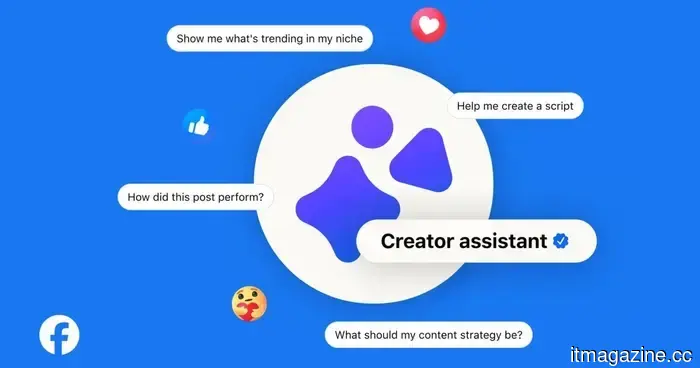 Facebook's latest AI Creator Assistant aims to serve as your personal content strategist.
Meta has introduced Creator Assistant, a conversational AI feature integrated into the Facebook creator dashboard. This tool assesses your content's performance, clarifies the reasons behind its success, and proposes new ideas inspired by current trends.
Facebook's latest AI Creator Assistant aims to serve as your personal content strategist.
Meta has introduced Creator Assistant, a conversational AI feature integrated into the Facebook creator dashboard. This tool assesses your content's performance, clarifies the reasons behind its success, and proposes new ideas inspired by current trends.
Filtr aims to eliminate advertisements from nearly all applications on your iPhone and Mac.
Filtr is a new tool centered on privacy that seeks to block advertisements and trackers in almost all applications on iPhones, iPads, and Macs by utilizing Apple's integrated filtering systems.