
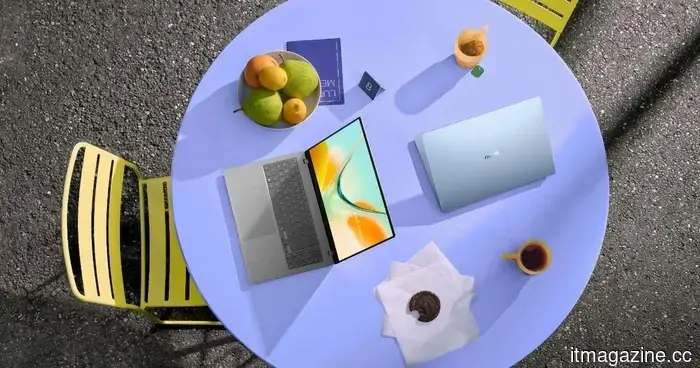
The Asus Zenbook 14 is introduced with new color options, and it is hoped that it will be priced similarly to the MacBook Neo.
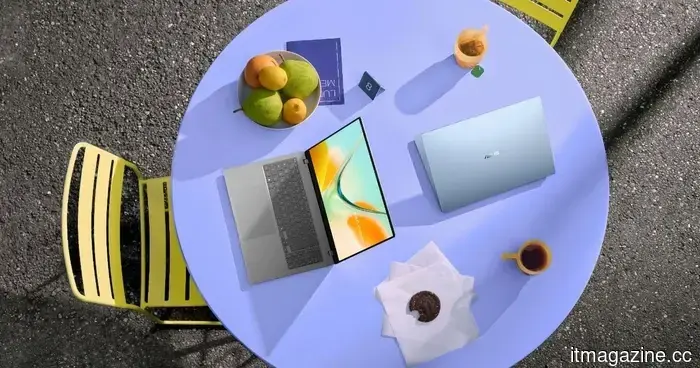
Asus has introduced a new Zenbook 14 at Computex 2026, featuring a color range that many AI laptops tend to shy away from. Available in Arctic Blue, Komodo Coral, and Zabriskie Beige, this 14-inch ultraportable stands out more than the usual discussions surrounding neural processors.
The updated Zenbook 14 is designed with a 1.1kg Ceraluminum and metal chassis that showcases these vibrant finishes. It also meets high-end laptop criteria with Copilot+ PC support, options for OLED displays, and processor selections that include Intel, AMD, and Snapdragon. However, for it to effectively compete with the MacBook Neo, the most crucial detail yet to be revealed is its price.
What makes the colors distinctive?
Many AI computers are designed with a discreet look, seemingly intended to blend into an office supply closet. The Zenbook 14 takes a different approach, employing gentler, nature-inspired colors to create a more engaging aesthetic.
Asus highlights features like a ceramic-style Ceraluminum lid, a metallic body, a 16:10 OLED display, comprehensive I/O options, a larger touchpad, and an easy-lift hinge. The tone-on-tone color scheme is consistent across the lid, logo, chassis, and keyboard, not limited to just the top cover.
While the comparison with Apple is inevitable, Asus carves out a unique identity rather than simply pursuing the MacBook Air model. Apple prioritizes subtlety, while Asus embraces variety. This advantage will only be meaningful if the Zenbook 14 is priced to ensure that the design feels like an addition rather than an extra cost.
How effective is the AI hardware?
The Snapdragon version features a Snapdragon X processor with a 45 TOPS NPU, while the full range can achieve up to 50 TOPS based on its configuration. This positions the device within the Copilot+ PC category, providing sufficient hardware for on-device AI functionalities.
Battery performance is a more relatable everyday consideration. Asus claims over 21 hours of usage, fast charging capabilities, and an all-in-one adapter, which are more relevant for daily portability than broad assertions about enhanced workflows.
The OLED display is another strong point. Asus promotes a 16:10 panel with an 88% screen-to-body ratio on the Qualcomm model, targeting users who seek a compact laptop without sacrificing a high-quality screen.
Will Asus set the right price?
The Zenbook 14 doesn’t need to outdo the MacBook Air at mimicking its style. Instead, it should feel distinctive, maintain a lightweight design, provide impressive battery life, and be priced competitively enough for its bolder design to be seen as a smart investment.
Asus has yet to disclose the most crucial detail for potential buyers: the confirmed price, and there is also no definitive availability date beyond the general Computex announcement. Therefore, any comparisons to the MacBook Neo remain more aspirational than conclusive at this point.
A 1.1kg OLED laptop with genuine color choices, Copilot+ PC capabilities, and strong battery claims has a distinct market opportunity if Asus avoids charging premium prices without reason. Keep an eye out for regional pricing, configuration variations, and whether every color will be available in major markets.


Other articles
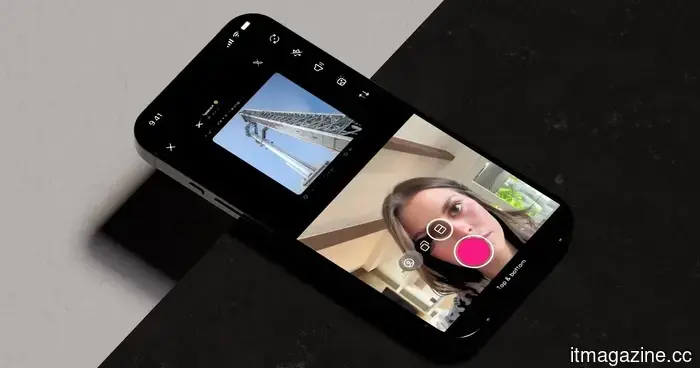 The X app now allows users to directly record videos capturing their reactions and frustrations about almost anything.
X has introduced React with Video, a new capability that allows iOS users to reply to posts with a recorded video reaction utilizing green screen, split screen, or picture-in-picture modes.
The X app now allows users to directly record videos capturing their reactions and frustrations about almost anything.
X has introduced React with Video, a new capability that allows iOS users to reply to posts with a recorded video reaction utilizing green screen, split screen, or picture-in-picture modes.
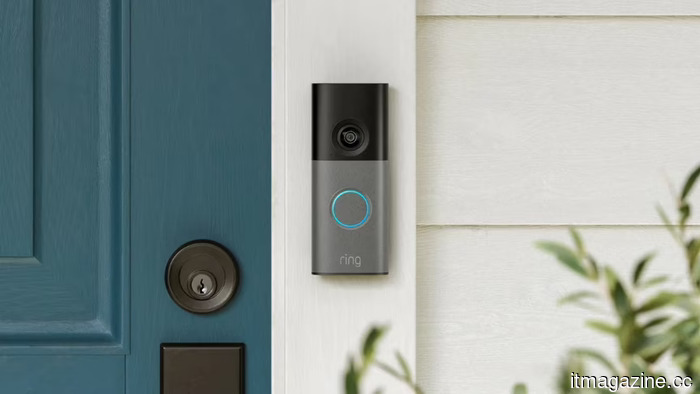 Amazon's Ring is facing a lawsuit regarding its Familiar Faces facial-recognition function.
A man from Virginia is taking legal action against Amazon regarding the Familiar Faces feature of Ring, claiming that it scans and retains the faces of individuals passing by without their permission. He is requesting a minimum of $5 million.
Amazon's Ring is facing a lawsuit regarding its Familiar Faces facial-recognition function.
A man from Virginia is taking legal action against Amazon regarding the Familiar Faces feature of Ring, claiming that it scans and retains the faces of individuals passing by without their permission. He is requesting a minimum of $5 million.
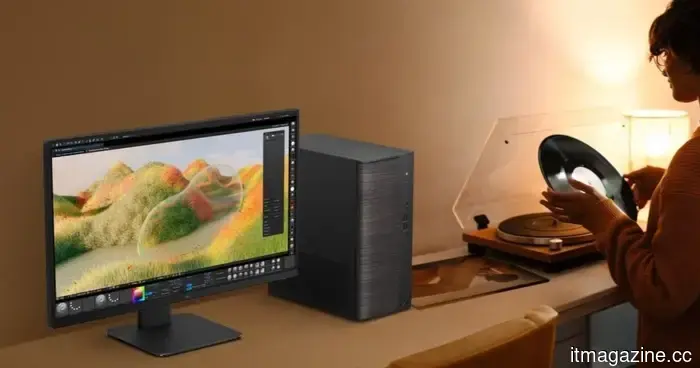 The Asus V700 Mini desktop features a wood-grain finish, and it’s a design trend that should continue.
Asus’ V700 Mini Tower features a cozy wood-grain finish for desktop PCs, combining AI-ready components with a home-friendly appearance that other PC manufacturers should consider as a genuine design inspiration.
The Asus V700 Mini desktop features a wood-grain finish, and it’s a design trend that should continue.
Asus’ V700 Mini Tower features a cozy wood-grain finish for desktop PCs, combining AI-ready components with a home-friendly appearance that other PC manufacturers should consider as a genuine design inspiration.
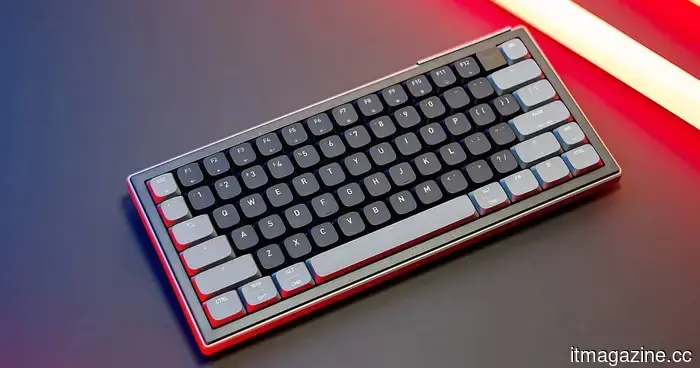 The Cherry XTRFY K63W Pro Compact is a wireless gaming keyboard that eliminates lag.
The Cherry XTRFY K63W Pro Compact introduces Ultra-Wideband technology and an 8000 Hz polling rate for wireless gaming keyboards, set to launch in the US in August at a price of $169.99.
The Cherry XTRFY K63W Pro Compact is a wireless gaming keyboard that eliminates lag.
The Cherry XTRFY K63W Pro Compact introduces Ultra-Wideband technology and an 8000 Hz polling rate for wireless gaming keyboards, set to launch in the US in August at a price of $169.99.
 The Asus Zenbook 14 is now available in a variety of new colors, and fingers crossed for a price that rivals the MacBook Neo.
Asus' latest Zenbook 14 features vibrant colors, a lightweight Ceraluminum design, OLED choices, and Copilot+ PC hardware. However, its competitiveness against the MacBook will rely on a price that Asus has yet to announce.
The Asus Zenbook 14 is now available in a variety of new colors, and fingers crossed for a price that rivals the MacBook Neo.
Asus' latest Zenbook 14 features vibrant colors, a lightweight Ceraluminum design, OLED choices, and Copilot+ PC hardware. However, its competitiveness against the MacBook will rely on a price that Asus has yet to announce.
 Taiwan unveils robotic patrol dogs capable of securing its islands in the South China Sea.
Taiwan's military research institute showcased three robot dogs from Ghost Robotics, one of which is armed, that may eventually be used to patrol the Pratas and Itu Aba.
Taiwan unveils robotic patrol dogs capable of securing its islands in the South China Sea.
Taiwan's military research institute showcased three robot dogs from Ghost Robotics, one of which is armed, that may eventually be used to patrol the Pratas and Itu Aba.
The Asus Zenbook 14 is introduced with new color options, and it is hoped that it will be priced similarly to the MacBook Neo.
Asus' latest Zenbook 14 features more vibrant colors, a lightweight Ceraluminum design, OLED alternatives, and Copilot+ PC hardware, but its competitiveness against the MacBook largely relies on the price that Asus has yet to disclose.