
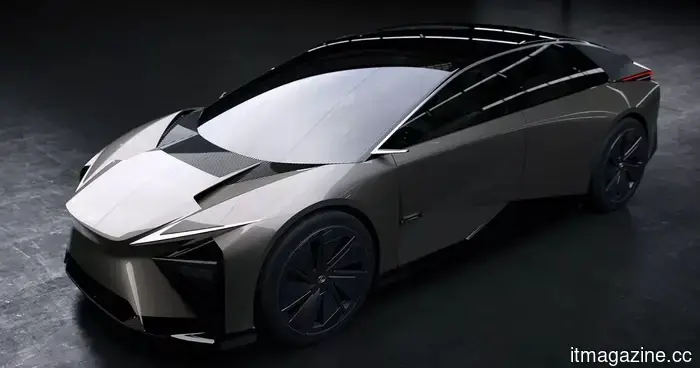
Lexus has decided to put a stop to the development of an electric vehicle derived from the impressive LF-ZC concept, which is quite disappointing.
Toyota and Lexus may have just put on hold one of the most thrilling electric vehicle concepts presented in recent years. Reports from Automotive News and Nikkei Asia indicate that Toyota has ceased development of the next-generation Lexus EV, which was anticipated to be derived from the innovative LF-ZC concept.
For electric vehicle fans and Lexus enthusiasts, this news is particularly disheartening as the LF-ZC signified one of the strongest indications that Lexus was preparing to make a significant transition into the premium electric market.
One of Lexus’s most aspirational EV endeavors has reportedly been suspended.
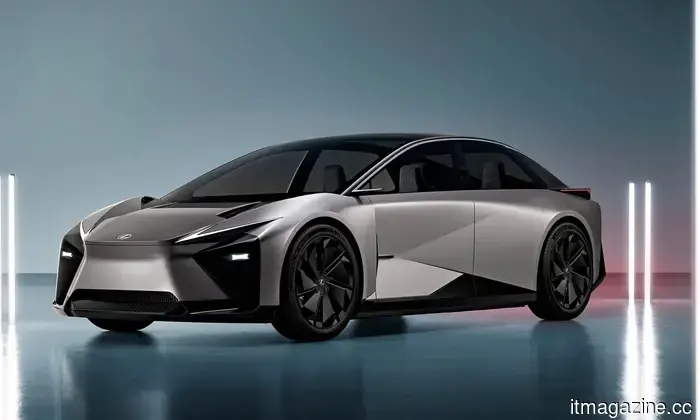
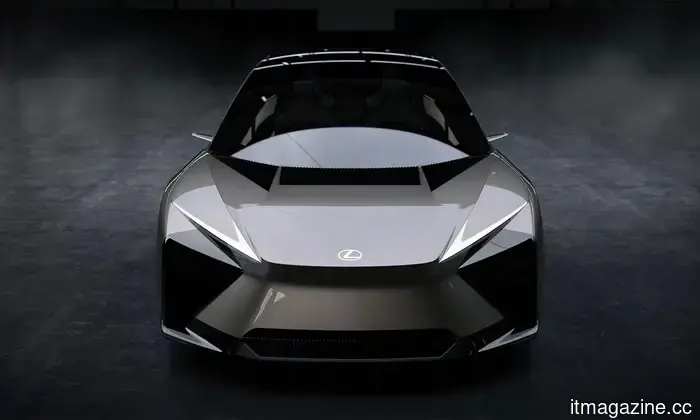
The Lexus LF-ZC concept was initially unveiled in late 2023 as a part of Toyota’s forthcoming EV strategy. This stylish fastback sedan showcased aggressive aerodynamic designs, a cutting-edge interior, steer-by-wire technology, along with promises of greatly enhanced battery efficiency and range.
Toyota had originally aimed to introduce a production model around 2026 as one of the brand’s most sophisticated EVs. The vehicle was also expected to implement several next-generation manufacturing innovations, such as giga-casting and advanced software-driven frameworks.
Now, however, reports indicate that the automaker has paused development on the project while reassessing demand for electric vehicles, production priorities, and broader market factors. Toyota has reportedly informed suppliers that the LF-ZC-based EV initiative is being halted as the company reconsiders its future strategies. According to Automotive News, Toyota pointed to shifts in EV demand and the workload related to vehicle planning and production as primary reasons for this decision.
This move occurs during a challenging time for the global EV sector. Although electric vehicle adoption continues to rise overall, several manufacturers have recently slowed or postponed their EV expansion plans in light of slower-than-expected demand growth in certain markets, increasing production expenses, and uncertainties surrounding charging infrastructure.
Why this matters
The cancellation or postponement is significant because the LF-ZC was not merely another concept vehicle; it embodied Lexus’s effort to reinvent itself for the electric age.
In contrast to Lexus’s current EV range, which has often been viewed as conservative or tardy compared to competitors, the LF-ZC appeared truly futuristic. It promised greater range, lighter materials, enhanced battery efficiency, and software-centric features meant to compete directly with premium EV brands.
The decision also underscores Toyota’s notably more cautious stance toward full electrification compared to firms like Tesla, BYD, and even traditional competitors that are rapidly broadening their EV offerings. Toyota has consistently maintained that hybrids, plug-in hybrids, hydrogen fuel cells, and EVs should coexist rather than aggressively pursuing a fully electric lineup alone.
What happens next
Toyota has not definitively cancelled the LF-ZC project, suggesting that it may return in a revised format in the future. The company is still expected to continue advancing next-generation EV technologies, including solid-state batteries and new software platforms for future Lexus models.
However, at present, one of the most visually striking and technologically ambitious Lexus EVs seems to be in limbo. And that is genuinely frustrating. In a market increasingly filled with similarly designed electric crossovers, the LF-ZC felt daring, innovative, and distinct—precisely the kind of electric vehicle many enthusiasts hoped Lexus would ultimately create.
Other articles
 Taiwan unveils robotic patrol dogs capable of securing its islands in the South China Sea.
Taiwan's military research institute showcased three robot dogs from Ghost Robotics, one of which is armed, that may eventually be used to patrol the Pratas and Itu Aba.
Taiwan unveils robotic patrol dogs capable of securing its islands in the South China Sea.
Taiwan's military research institute showcased three robot dogs from Ghost Robotics, one of which is armed, that may eventually be used to patrol the Pratas and Itu Aba.
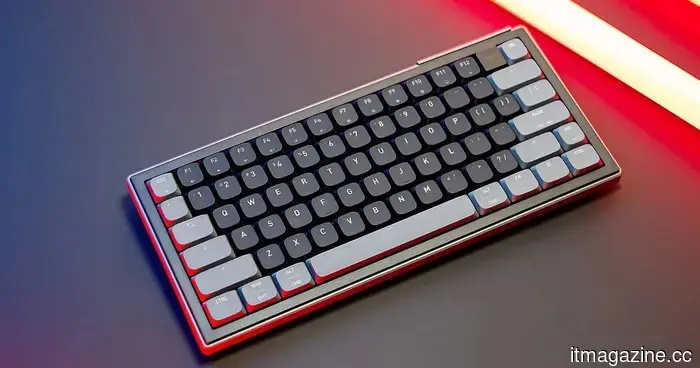 The Cherry XTRFY K63W Pro Compact is a wireless gaming keyboard that eliminates lag.
Cherry XTRFY's K63W Pro Compact introduces Ultra-Wideband technology along with an 8000 Hz polling rate to the realm of wireless gaming keyboards, set to release in the US in August at a price of $169.99.
The Cherry XTRFY K63W Pro Compact is a wireless gaming keyboard that eliminates lag.
Cherry XTRFY's K63W Pro Compact introduces Ultra-Wideband technology along with an 8000 Hz polling rate to the realm of wireless gaming keyboards, set to release in the US in August at a price of $169.99.
 The X app now allows you to record reaction-style videos directly and express outrage about nearly anything.
X has introduced React with Video, a new functionality that allows iOS users to reply to posts with recorded video reactions utilizing green screen, split screen, or picture-in-picture modes.
The X app now allows you to record reaction-style videos directly and express outrage about nearly anything.
X has introduced React with Video, a new functionality that allows iOS users to reply to posts with recorded video reactions utilizing green screen, split screen, or picture-in-picture modes.
 A gaming study indicates that skill-based matchmaking is equitable, yet it subtly leads to player attrition.
A recent study questions the effectiveness of skill-based matchmaking, revealing that contests with equal skill levels may subtly damage player retention, while more intelligent systems succeeded in keeping players engaged for longer durations in millions of matches on Lichess.
A gaming study indicates that skill-based matchmaking is equitable, yet it subtly leads to player attrition.
A recent study questions the effectiveness of skill-based matchmaking, revealing that contests with equal skill levels may subtly damage player retention, while more intelligent systems succeeded in keeping players engaged for longer durations in millions of matches on Lichess.
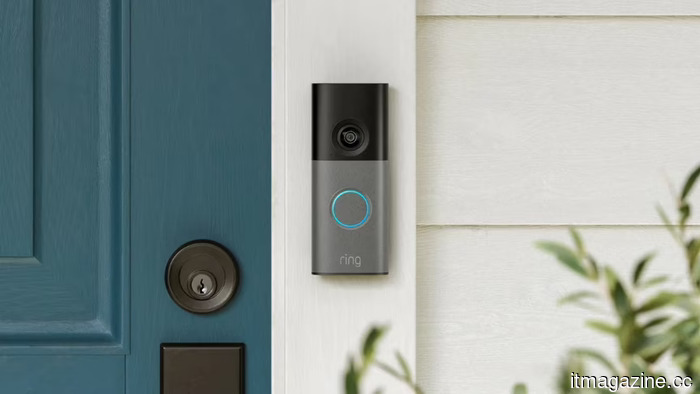 Amazon's Ring is facing a lawsuit regarding its Familiar Faces facial-recognition function.
A man from Virginia is taking legal action against Amazon regarding the Familiar Faces feature of Ring, claiming that it scans and retains the faces of individuals passing by without their permission. He is requesting a minimum of $5 million.
Amazon's Ring is facing a lawsuit regarding its Familiar Faces facial-recognition function.
A man from Virginia is taking legal action against Amazon regarding the Familiar Faces feature of Ring, claiming that it scans and retains the faces of individuals passing by without their permission. He is requesting a minimum of $5 million.
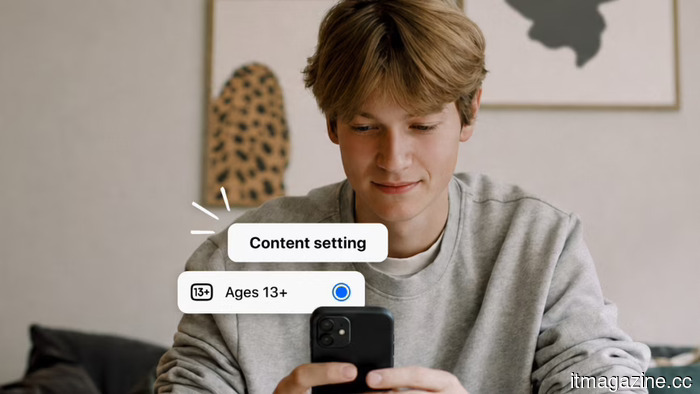 Meta expands its 13+ teen content settings to a global level on Instagram, Facebook, and Messenger.
Meta is broadening its 13+ content settings inspired by movie ratings for Teen Accounts globally and is experimenting with a method to prevent teens from viewing the same content repeatedly.
Meta expands its 13+ teen content settings to a global level on Instagram, Facebook, and Messenger.
Meta is broadening its 13+ content settings inspired by movie ratings for Teen Accounts globally and is experimenting with a method to prevent teens from viewing the same content repeatedly.
Lexus has decided to put a stop to the development of an electric vehicle derived from the impressive LF-ZC concept, which is quite disappointing.
Toyota has allegedly halted the development of the Lexus LF-ZC electric sedan, focusing on reevaluating the demand for electric vehicles and its production priorities.