
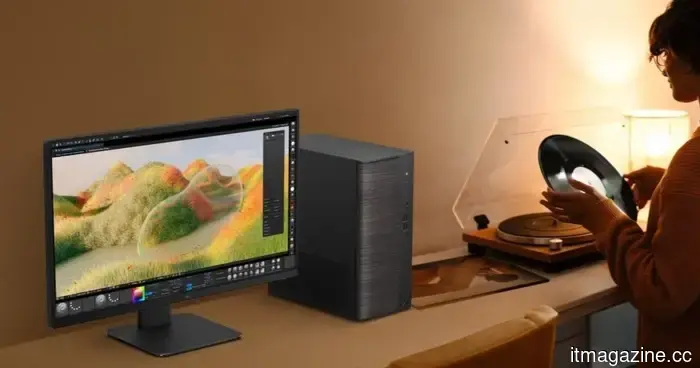
The Asus V700 Mini desktop features a wood-grain finish, a design trend that should remain popular.
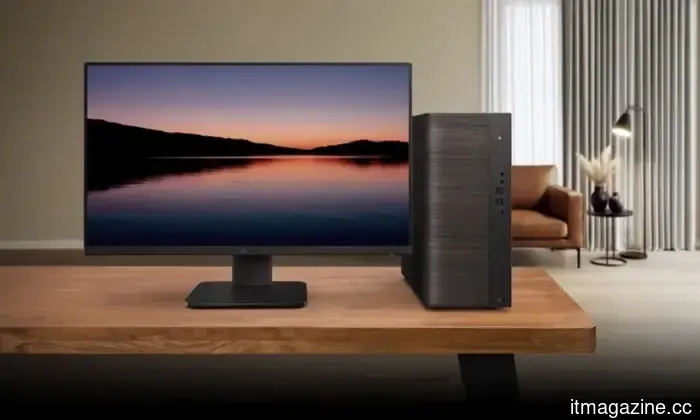
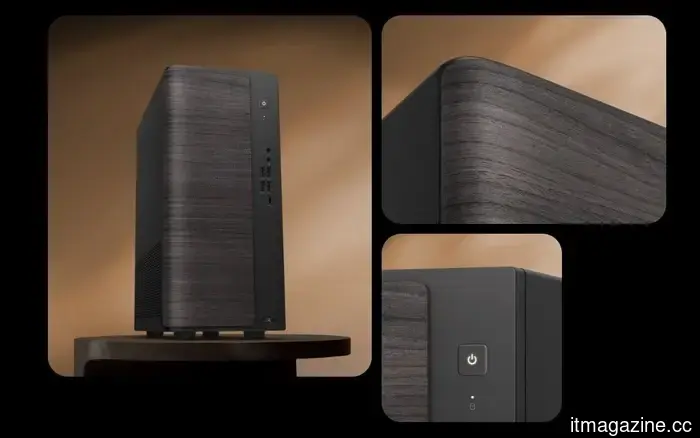
Asus' V700 Mini Tower, unveiled at Computex 2026, marks a notable design accomplishment for home desktops. The new mini desktop retains the practical tower PC shape while replacing the traditional cold, boxy appearance with sleek lines, gentle curves, and a wood-grain finish intended for a visible location in the home.
This visual transformation serves a functional purpose. A mini desktop no longer needs to be concealed under a desk, hidden behind a monitor, or positioned next to a router due to its overly stark look. Asus introduced the V700 Mini Tower as part of its AI PC lineup at Computex 2026, with its inviting design providing it a distinct character.
Details on pricing, release dates, and regional availability for the V700 Mini Tower were not provided.
Why should powerful devices appear so sterile?
Asus did not use the warmer exterior as an excuse to skimp on specifications. The V700 Mini Tower can be equipped with an Intel Core Ultra 9 processor, DDR5 memory, and up to 2TB of PCIe 4.0 SSD storage.
Optional Nvidia GeForce RTX 50 Series graphics enhance its capabilities beyond a standard home PC. Asus markets the device for productivity, entertainment, and creative tasks, allowing the wood-grain design to come across as less decorative and more like a respectable desktop with improved aesthetics.
What difference does wood grain make in a space?
The finish alters the environment where this PC can comfortably reside. It appears more fitting for a media console, collaborative desk, or open home office than a typical tower cluttered with vents, shiny plastic, or bland gray panels.
This observation highlights an interesting trend. Devices like speakers, gaming consoles, routers, and smart displays have already shifted towards softer, more design-friendly aesthetics. Desktop PCs have been slower to adapt, despite the increasing number of users placing them in visible areas that serve dual purposes as workspaces, family rooms, and entertainment areas.
What evidence is needed to validate this trend?
The V700 Mini Tower requires more than a positive showing at Computex to solidify its design. Asus must ensure broad distribution, set a reasonable price, and refrain from treating the wood-grain finish as a unique feature for just one model.
The next logical step is clear. Warmer desktop finishes should become standard options across a wider range of PCs, rather than limited-edition styling experiments. If desktops are destined to remain in homes, they must no longer compel the home environment to adapt to them.
Other articles
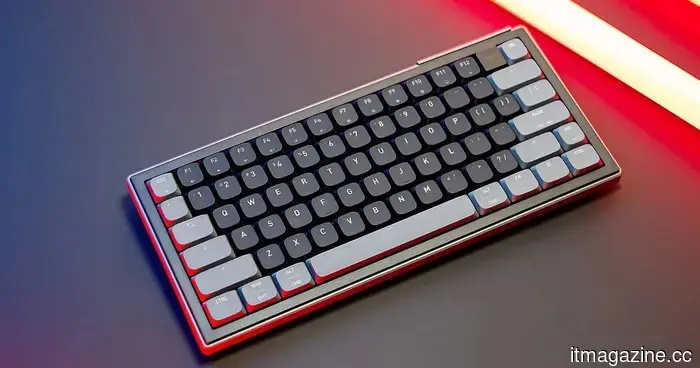 The Cherry XTRFY K63W Pro Compact is a wireless gaming keyboard that eliminates lag.
Cherry XTRFY's K63W Pro Compact introduces Ultra-Wideband technology along with an 8000 Hz polling rate to the realm of wireless gaming keyboards, set to release in the US in August at a price of $169.99.
The Cherry XTRFY K63W Pro Compact is a wireless gaming keyboard that eliminates lag.
Cherry XTRFY's K63W Pro Compact introduces Ultra-Wideband technology along with an 8000 Hz polling rate to the realm of wireless gaming keyboards, set to release in the US in August at a price of $169.99.
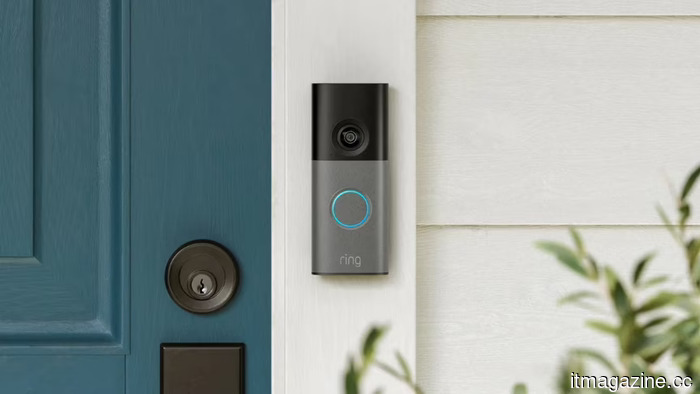 Amazon's Ring is facing a lawsuit regarding its Familiar Faces facial-recognition function.
A man from Virginia is taking legal action against Amazon regarding the Familiar Faces feature of Ring, claiming that it scans and retains the faces of individuals passing by without their permission. He is requesting a minimum of $5 million.
Amazon's Ring is facing a lawsuit regarding its Familiar Faces facial-recognition function.
A man from Virginia is taking legal action against Amazon regarding the Familiar Faces feature of Ring, claiming that it scans and retains the faces of individuals passing by without their permission. He is requesting a minimum of $5 million.
 A gaming study indicates that skill-based matchmaking is equitable, yet it also subtly pushes players away.
A recent study questions the effectiveness of skill-based matchmaking, discovering that contests with equal skill levels can subtly harm player retention, whereas more advanced systems have helped maintain player engagement for a longer duration in millions of matches on Lichess.
A gaming study indicates that skill-based matchmaking is equitable, yet it also subtly pushes players away.
A recent study questions the effectiveness of skill-based matchmaking, discovering that contests with equal skill levels can subtly harm player retention, whereas more advanced systems have helped maintain player engagement for a longer duration in millions of matches on Lichess.
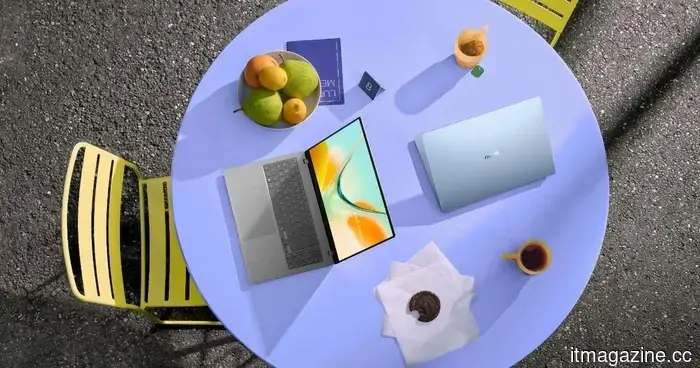 The Asus Zenbook 14 is introduced with new color options, and it is hoped that it will be priced similarly to the MacBook Neo.
Asus' latest Zenbook 14 features more vibrant colors, a lightweight Ceraluminum design, OLED alternatives, and Copilot+ PC hardware, but its competitiveness against the MacBook largely relies on the price that Asus has yet to disclose.
The Asus Zenbook 14 is introduced with new color options, and it is hoped that it will be priced similarly to the MacBook Neo.
Asus' latest Zenbook 14 features more vibrant colors, a lightweight Ceraluminum design, OLED alternatives, and Copilot+ PC hardware, but its competitiveness against the MacBook largely relies on the price that Asus has yet to disclose.
 Lexus has put a stop to its plans for an electric vehicle inspired by the impressive LF-ZC concept, which is quite disappointing.
Toyota has allegedly halted the development of the Lexus LF-ZC electric sedan as the company re-evaluates the demand for EVs and its production priorities.
Lexus has put a stop to its plans for an electric vehicle inspired by the impressive LF-ZC concept, which is quite disappointing.
Toyota has allegedly halted the development of the Lexus LF-ZC electric sedan as the company re-evaluates the demand for EVs and its production priorities.
 The X app now allows you to record reaction-style videos directly and express outrage about nearly anything.
X has introduced React with Video, a new functionality that allows iOS users to reply to posts with recorded video reactions utilizing green screen, split screen, or picture-in-picture modes.
The X app now allows you to record reaction-style videos directly and express outrage about nearly anything.
X has introduced React with Video, a new functionality that allows iOS users to reply to posts with recorded video reactions utilizing green screen, split screen, or picture-in-picture modes.
The Asus V700 Mini desktop features a wood-grain finish, a design trend that should remain popular.
Asus' V700 Mini Tower introduces a cozy wood-grain finish to desktop computers, combining AI-capable hardware with a home-friendly aesthetic that other PC manufacturers should consider as a significant design inspiration.