
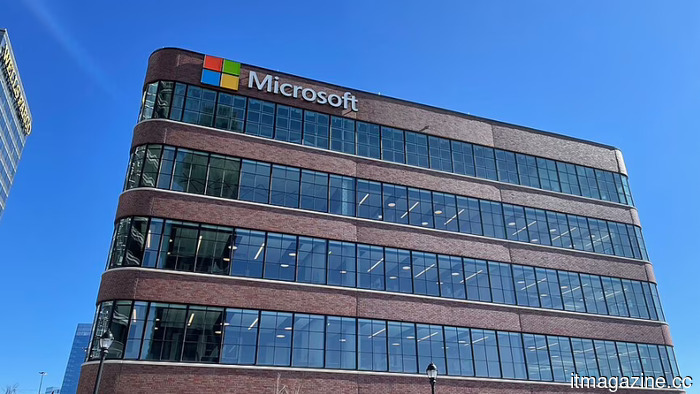
As Microsoft approaches Build, it faces a challenge with AI integrated throughout its offerings and a dilemma regarding paying customers.
The company’s developer conference kicks off in San Francisco, where another wave of AI tools is anticipated, set against the uncomfortable backdrop of the low number of users who pay for Copilot. Microsoft launched its annual Build developer conference in San Francisco on Tuesday, with Satya Nadella scheduled to deliver a keynote at 9:30 a.m. Pacific, focusing on integrating artificial intelligence across its products as much as possible.
The conference takes place on June 2 and 3, both in-person and online, aimed directly at the developers Microsoft relies on to enhance its platforms. The overarching direction is clear. Over the past year, Microsoft has been redefining Windows as a platform for AI tools and agents instead of merely a passive operating system, and Build serves as the venue to attract developers aligned with that vision.
Reporting prior to the event, including insights from Reuters, highlighted new AI tools for PCs and cloud services as central to the agenda, continuing a strategy that Nadella has been vigorously pursuing since the company partnered with OpenAI. The specifics revealed during the event should be viewed in light of Microsoft’s official announcements rather than the speculative discussions that have been particularly abundant this year.
The tension of the event arises not from the technology itself but from user adoption. During its most recent earnings call in late January, Microsoft reported having 15 million paid subscriptions for Microsoft 365 Copilot. This figure seems impressive until compared to the 450 million commercial Microsoft 365 licenses also reported, translating to a conversion rate of approximately 3.3%.
Nadella mentioned to investors that Copilot was “becoming a true daily habit,” noting a tenfold increase in daily active users year over year, but the disparity between users who can utilize Copilot and those who actually pay for it remains a significant challenge in Microsoft’s AI narrative.
In response to this gap, the company has taken actions that somewhat complicate the optimistic framing of the keynote. Earlier this year, it allowed users and administrators to completely uninstall Copilot from Windows 11, acknowledging the wishes of many who prefer not to have it pre-installed. Simultaneously, it has been expanding its own MAI model family, a move widely interpreted as a strategy to reduce reliance on OpenAI for the technology powering Copilot.
Thus, Build serves both as a showcase and a sales pitch. Microsoft possesses the distribution, cloud capabilities, and developer community that few competitors can rival, along with a product that millions have access to but choose not to purchase. The keynote will focus on the capabilities of AI within Windows and Azure.
The real question that the announcements aim to address is whether developers, and the customers they serve, will find it worthwhile to pay for these offerings. While the conference will showcase what Microsoft is developing, it won’t, by itself, determine who will actually make a purchase.
Other articles
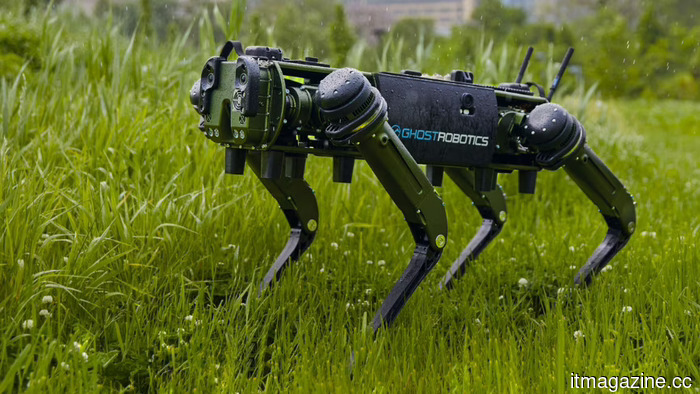 Taiwan unveils robotic patrol dogs that may protect its islands in the South China Sea.
Taiwan's military research institute showcased three Ghost Robotics robotic dogs, one of which is armed, that may eventually be utilized to patrol the Pratas and Itu Aba.
Taiwan unveils robotic patrol dogs that may protect its islands in the South China Sea.
Taiwan's military research institute showcased three Ghost Robotics robotic dogs, one of which is armed, that may eventually be utilized to patrol the Pratas and Itu Aba.
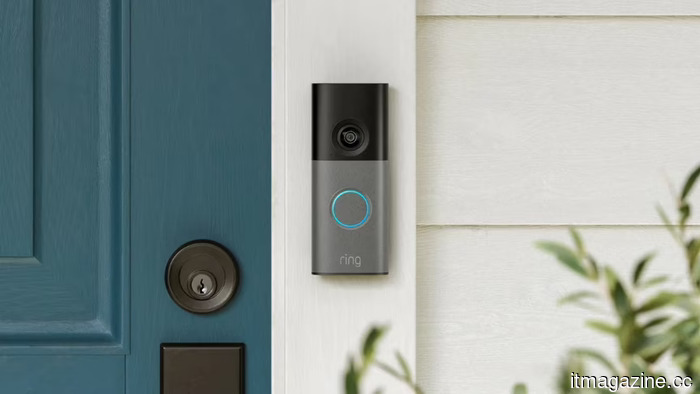 Amazon's Ring is facing a lawsuit regarding its Familiar Faces facial-recognition function.
A man from Virginia is taking legal action against Amazon regarding the Familiar Faces feature of Ring, claiming that it scans and retains the faces of individuals passing by without their permission. He is requesting a minimum of $5 million.
Amazon's Ring is facing a lawsuit regarding its Familiar Faces facial-recognition function.
A man from Virginia is taking legal action against Amazon regarding the Familiar Faces feature of Ring, claiming that it scans and retains the faces of individuals passing by without their permission. He is requesting a minimum of $5 million.
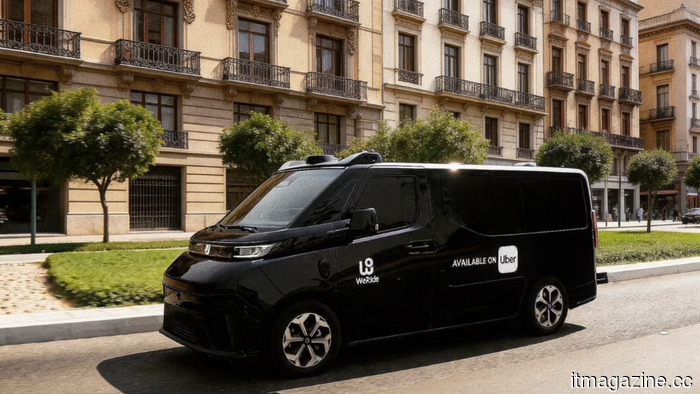 WeRide and Uber expand their robotaxi collaboration to Madrid.
WeRide, Uber, and fleet operator AVOMO are set to launch Madrid’s inaugural commercial robotaxi pilot later this year, initially featuring safety operators.
WeRide and Uber expand their robotaxi collaboration to Madrid.
WeRide, Uber, and fleet operator AVOMO are set to launch Madrid’s inaugural commercial robotaxi pilot later this year, initially featuring safety operators.
 Uber selects Munich for its upcoming robotaxi initiative, collaborating with Autobrains and Nvidia.
Uber and the Israeli company Autobrains are set to initiate a robotaxi program in Munich using Nvidia DRIVE Hyperion, subject to approval from German regulators.
Uber selects Munich for its upcoming robotaxi initiative, collaborating with Autobrains and Nvidia.
Uber and the Israeli company Autobrains are set to initiate a robotaxi program in Munich using Nvidia DRIVE Hyperion, subject to approval from German regulators.
 Marvell rises after Jensen Huang labels it as the next trillion-dollar company.
Marvell's stock jumped approximately 25% in premarket trading following Nvidia's Jensen Huang's prediction at Computex that it would become the next $1 trillion company.
Marvell rises after Jensen Huang labels it as the next trillion-dollar company.
Marvell's stock jumped approximately 25% in premarket trading following Nvidia's Jensen Huang's prediction at Computex that it would become the next $1 trillion company.
 SoftBank is said to be in preliminary discussions to support an $800 million funding round for Agile Robots.
According to Bloomberg, SoftBank is in preliminary discussions to invest over $300 million in a funding round of approximately $800 million for the Munich-based robotics company Agile Robots.
SoftBank is said to be in preliminary discussions to support an $800 million funding round for Agile Robots.
According to Bloomberg, SoftBank is in preliminary discussions to invest over $300 million in a funding round of approximately $800 million for the Munich-based robotics company Agile Robots.
As Microsoft approaches Build, it faces a challenge with AI integrated throughout its offerings and a dilemma regarding paying customers.
Microsoft kicks off its Build developer conference in San Francisco, aiming to integrate AI further into Windows and Copilot, although adoption remains uncertain.