
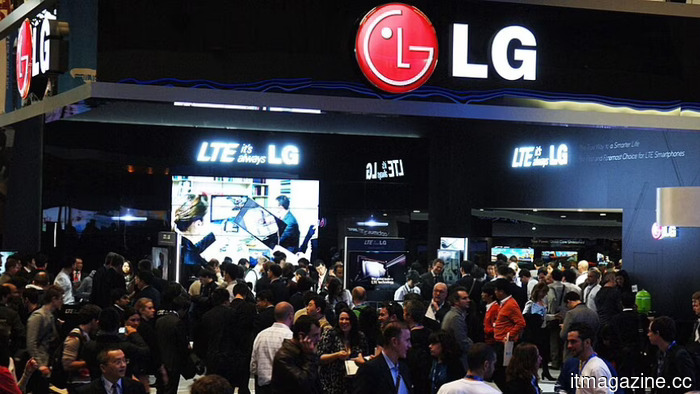
LG Electronics stock surged by 24% in a single day following the introduction of Google-powered automotive technology that reduces expenses for automakers.
LG Electronics experienced a stock increase of nearly 24% following the introduction of its car display technology based on Android Automotive. This system aims to lower the costs for automakers deploying multiple displays in vehicles.
The company’s shares rose by 23.95% after the announcement of its automotive solutions designed around Google's Android Automotive operating system. The last recorded price of the stock was 279,500 won, marking one of the most significant daily increases for LG in recent years.
The main innovation is a multi-display system that utilizes a single system-on-chip to manage several in-car screens, each with different aspect ratios, simultaneously. Traditionally, in-vehicle display setups require individual processors for each screen. LG asserts that its strategy “enables automakers to greatly decrease the expenses associated with integrating multi-display systems in vehicles.”
Android Automotive OS is becoming increasingly popular as it allows drivers to access apps directly from their cars without needing to use a smartphone. The global market for AAOS was valued at $895.6 million in 2025 and is expected to grow to $2.14 billion by 2035, as reported by Future Market Insights.
The stock market's response indicates a broader belief that vehicles are evolving into software platforms. Car manufacturers are shifting from proprietary infotainment systems to Android-based frameworks that provide app ecosystems, over-the-air updates, and integration with Google services like Maps and Assistant, along with the new Gemini AI.
While Tesla relies on a proprietary software system, many traditional automakers do not possess the engineering expertise needed to develop and maintain their operating systems. Android Automotive offers them a competitive software solution without the associated development costs. Companies like Volvo, Polestar, GM, Ford, and Honda, as well as LG’s vehicle manufacturer clients, are utilizing some variant of this platform.
LG already holds a significant position in the automotive supply chain, being one of the largest global manufacturers of vehicle displays and battery components. By incorporating a software-hardware integration layer with Android Automotive, LG enhances its appeal to automakers seeking a unified supplier for screens, processors, and the operating system that links them.
The automotive industry's transition toward software-defined vehicles is contributing to the 20,000 job reductions in white-collar positions at Detroit’s "Big Three." The necessary skills for car production are evolving. Firms like LG are strategically positioning themselves to absorb the engineering roles that automakers are relinquishing.
A 24% increase in stock value following a product announcement indicates that investors view LG’s foray into automotive software as a significant turning point for the company. It remains uncertain whether this will lead to contracts and revenue growth at the level that the market is anticipating. Although the AAOS market is expanding, it is still relatively small compared to LG’s overall revenue, with the expectation that it will grow significantly in the near future.
Other articles
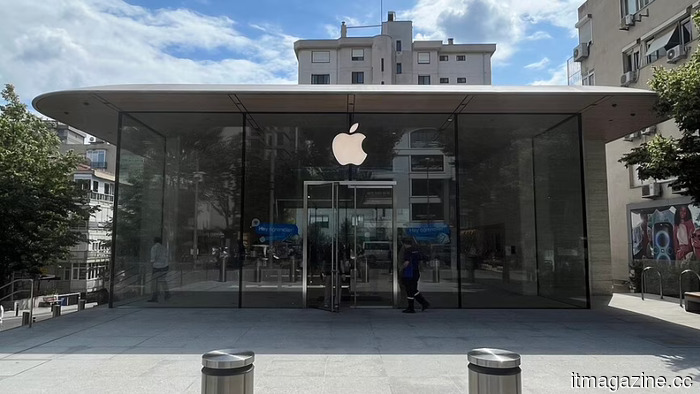 Apple has disrupted the mid-range watch market. Now, it is setting its sights on the $200 billion eyewear sector.
Swatch's revenue decreased by 28%, while Fossil saw a 70% decline following the release of the Apple Watch. Apple intends to implement a similar strategy for glasses, aiming for a launch in late 2027.
Apple has disrupted the mid-range watch market. Now, it is setting its sights on the $200 billion eyewear sector.
Swatch's revenue decreased by 28%, while Fossil saw a 70% decline following the release of the Apple Watch. Apple intends to implement a similar strategy for glasses, aiming for a launch in late 2027.
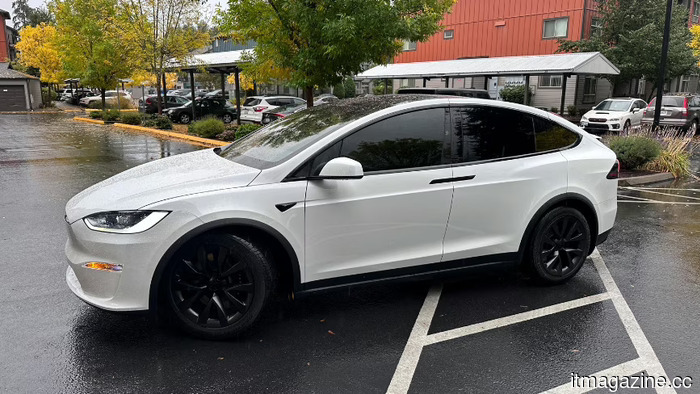 Tesla operates 42 robotaxis in Texas, while Waymo has 577. This difference is now part of public records.
A new law in Texas required both companies to register their fleets. Tesla self-certified its vehicles as Level 4, even though it had previously informed regulators that they were Level 2.
Tesla operates 42 robotaxis in Texas, while Waymo has 577. This difference is now part of public records.
A new law in Texas required both companies to register their fleets. Tesla self-certified its vehicles as Level 4, even though it had previously informed regulators that they were Level 2.
 Is Rust a cross-platform language?
Rust is essentially designed as a multiplayer-exclusive experience. Although you can play on various platforms, there is a limitation.
Is Rust a cross-platform language?
Rust is essentially designed as a multiplayer-exclusive experience. Although you can play on various platforms, there is a limitation.
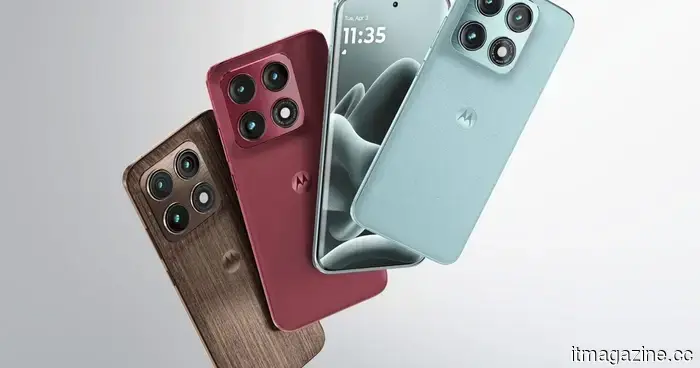 Motorola has just unveiled details about its upcoming Android phone, which might be the ideal mid-range device for you.
The forthcoming Motorola mid-range device features three 50MP cameras, which includes a periscope telephoto lens, a 6,500mAh battery, 90W wired charging, and will run on Android 16 at the time of its release.
Motorola has just unveiled details about its upcoming Android phone, which might be the ideal mid-range device for you.
The forthcoming Motorola mid-range device features three 50MP cameras, which includes a periscope telephoto lens, a 6,500mAh battery, 90W wired charging, and will run on Android 16 at the time of its release.
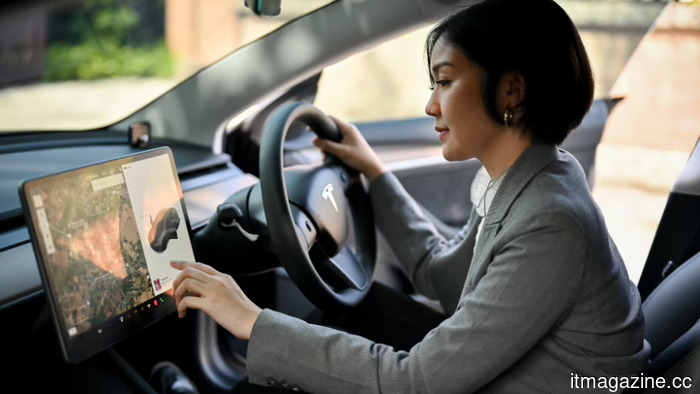 The individuals who developed Tesla's self-driving AI decline to ride in it.
A Reuters investigation revealed that the individuals responsible for training Tesla's self-driving AI frequently observed it exceeding speed limits. Engineers considered this problem to be of minor importance.
The individuals who developed Tesla's self-driving AI decline to ride in it.
A Reuters investigation revealed that the individuals responsible for training Tesla's self-driving AI frequently observed it exceeding speed limits. Engineers considered this problem to be of minor importance.
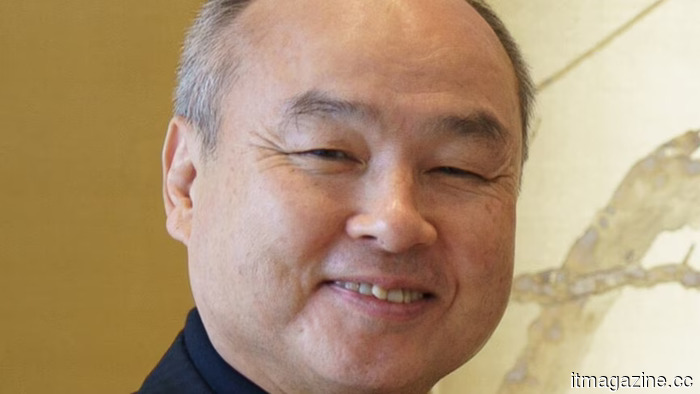 SoftBank is committing €75 billion to develop 5 gigawatts of AI data centers in France. This marks Son's largest investment in Europe.
The initial phase aims to provide 3.1 GW in northern France by 2031 at a cost of €45 billion. Macron personally engaged with Son, who found the president's dedication to be "impressive."
SoftBank is committing €75 billion to develop 5 gigawatts of AI data centers in France. This marks Son's largest investment in Europe.
The initial phase aims to provide 3.1 GW in northern France by 2031 at a cost of €45 billion. Macron personally engaged with Son, who found the president's dedication to be "impressive."
LG Electronics stock surged by 24% in a single day following the introduction of Google-powered automotive technology that reduces expenses for automakers.
LG's latest multi-screen system operates on Android Automotive OS and utilizes a single chip to manage several displays. The market is expected to reach $2.14 billion by 2035.