
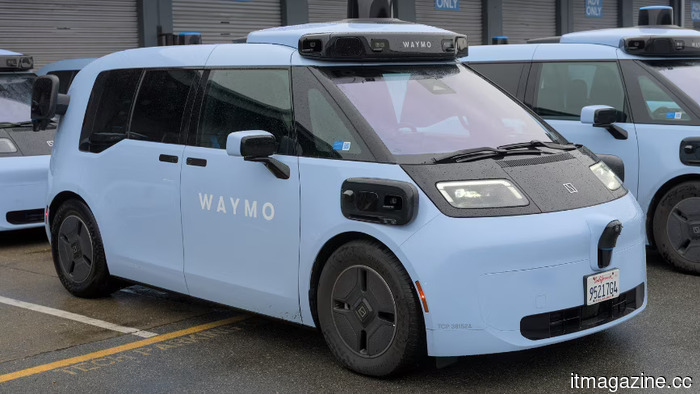
Waymo launches a more affordable Ojai robotaxi constructed by China's Geely.
Waymo has launched its sixth-generation Ojai robotaxi for a select group of passengers in San Francisco, Los Angeles, and Phoenix. Manufactured by Geely's Zeekr in China, the Ojai has a 42% reduction in sensor count and costs around $75,000 less per unit than the Jaguar I-PACE it replaces.
The Ojai is the first vehicle specifically designed for autonomous ride-hailing instead of being a modified existing car. It operates with Waymo's latest sixth-generation Driver system and is built on a platform from Zeekr, the electric vehicle brand owned by Geely, which also owns Volvo. Initially, rides are available in San Francisco, Los Angeles, and Phoenix, with plans to expand to San Diego, Las Vegas, and Denver this summer.
Replacing the Jaguar I-PACE, which has been Waymo's main robotaxi since 2020, the Ojai features a boxier and more spacious design with lower entry height, increased ceiling height, and a detachable steering wheel. The interior focuses on passenger comfort rather than driver needs, considering no one will be positioned behind the wheel.
One of the key changes is in cost. The Ojai is equipped with 13 cameras, four lidar units, and six radar sensors, representing a 42% decrease in total sensors compared to the 29 cameras used in the previous I-PACE fleet. Waymo has improved sensor quality to compensate, utilizing a new 17-megapixel camera that produces sharper images with enhanced thermal stability and offers a 360-degree view capable of identifying objects up to 500 meters away in low visibility. The upgraded lidar can function effectively in heavy rain and snow, while better audio receivers enhance the detection of sirens and other sounds, addressing issues that previously led to service interruptions in various cities. Recently, Waymo halted operations in five U.S. cities after a software update failed to stop vehicles from entering flooded areas.
Morgan Stanley estimates the Ojai's cost at around $125,000 per unit compared to about $200,000 for the I-PACE. The basic design from Zeekr reportedly costs near $38,000, whereas the Jaguar costs about $75,000. Additionally, the sixth-generation Driver hardware is expected to be under $20,000 per unit, which is over a 50% reduction from its predecessor. Waymo intends to deploy thousands of Ojai vehicles by year-end.
The vehicle's dependence on Chinese manufacturing has attracted political attention. Zeekr produces the base vehicles in Ningbo, Zhejiang, and ships them to Mesa, Arizona, where Waymo installs its autonomous driving technology. This process subjects the imports to a 100% tariff on Chinese-made electric vehicles, but since Waymo imports only unassembled bodies instead of complete vehicles, the tariff applies to a lesser base value of approximately $10,000 to $20,000 per unit, making costs manageable.
A U.S. senator has questioned this arrangement, while the federal government is tightening regulations on connected vehicle software from China. The wider autonomous vehicle industry is observing whether geopolitical factors will compel Waymo to seek domestic manufacturing partnerships or if the tariff structure remains favorable enough to sustain the Chinese supply chain.
Currently, Waymo provides more than 500,000 paid rides weekly across ten metropolitan areas in the U.S. including San Francisco, Los Angeles, Phoenix, Austin, Atlanta, Miami, Dallas, Houston, San Antonio, and Orlando. The company aims for one million weekly rides by the end of 2026 and is preparing for operations in over 20 additional cities, including international locations like Tokyo and London.
This expansion is supported by a $16 billion funding round completed in February 2026, increasing the company's valuation to $110 billion, which is more than double its $45 billion valuation from 15 months prior. Alphabet contributed around $13 billion of the total, with other external investors such as Sequoia Capital, Dragoneer, and DST Global involved. Waymo reportedly generates about $350 million in annual recurring revenue and operates at Level 4 autonomy, wherein the vehicle manages all driving tasks in specified conditions without human input.
Though Waymo holds a significant lead in commercial robotaxi services, competition remains. Tesla has initiated a limited robotaxi service in Austin, utilizing a camera-only system without lidar, which has been criticized by other autonomous vehicle developers as less safe. Amazon's Zoox operates around 50 robotaxis in San Francisco and Las Vegas and plans to integrate its service with the Uber app in Las Vegas this summer. Cruise, once a close competitor to Waymo, suspended operations in 2023 following a pedestrian accident and has been slow to resume.
In China, Baidu’s Apollo platform offers commercial robotaxi services in several cities. Europe largely lacks robotaxi services, although Waymo's anticipated expansion to London would be the first major U.S. operator entry in that region.
The Ojai represents Waymo's attempt to address a core
Other articles
 You ought to experience Marathon before the internet makes the decision for you.
Marathon's Open Play Week is coming at the perfect moment, making it an excellent opportunity for players to experience Bungie's sleek extraction shooter firsthand.
You ought to experience Marathon before the internet makes the decision for you.
Marathon's Open Play Week is coming at the perfect moment, making it an excellent opportunity for players to experience Bungie's sleek extraction shooter firsthand.
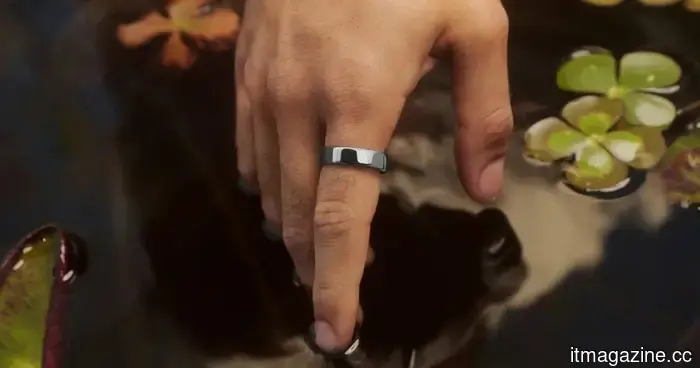 The Oura Ring 5 is now 40% more compact and features its most scratch-resistant design to date.
Oura has reduced the size of its new smart ring by 40%, while incorporating more powerful sensors, a more durable exterior, and enhanced battery longevity.
The Oura Ring 5 is now 40% more compact and features its most scratch-resistant design to date.
Oura has reduced the size of its new smart ring by 40%, while incorporating more powerful sensors, a more durable exterior, and enhanced battery longevity.
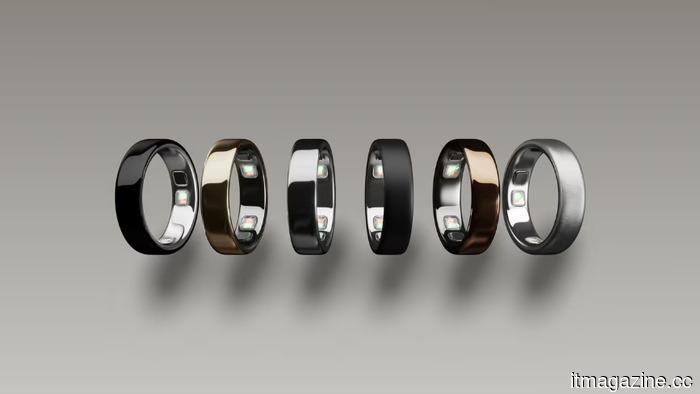 Oura Ring 5 is introduced as the smallest smart ring in the world, priced at $399.
Oura's Ring 5 has shrunk by 40% to a width of 6.09mm, includes blood pressure pattern detection, and features AI health monitoring. It will be available starting June 4, with prices beginning at $399. An IPO filing is on the way.
Oura Ring 5 is introduced as the smallest smart ring in the world, priced at $399.
Oura's Ring 5 has shrunk by 40% to a width of 6.09mm, includes blood pressure pattern detection, and features AI health monitoring. It will be available starting June 4, with prices beginning at $399. An IPO filing is on the way.
 On this Scary Movie website, you can control the Ghostface however you wish.
Scary Movie has introduced an interactive website in anticipation of its release on June 5, allowing fans to input commands and see Ghostface execute them on screen.
On this Scary Movie website, you can control the Ghostface however you wish.
Scary Movie has introduced an interactive website in anticipation of its release on June 5, allowing fans to input commands and see Ghostface execute them on screen.
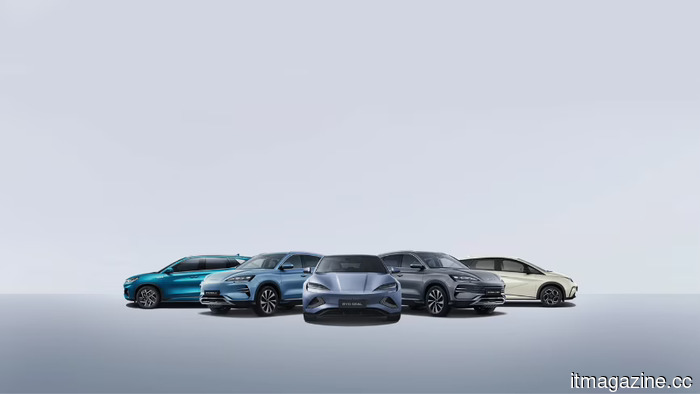 BYD introduces China's inaugural 4nm driving chip and enhances God's Eye.
BYD's Xuanji A3 is the initial 4nm automotive chip in China, delivering 700 TOPS. The God's Eye driver assistance system is now extending to mainstream electric vehicles as sales decline for the eighth consecutive month.
BYD introduces China's inaugural 4nm driving chip and enhances God's Eye.
BYD's Xuanji A3 is the initial 4nm automotive chip in China, delivering 700 TOPS. The God's Eye driver assistance system is now extending to mainstream electric vehicles as sales decline for the eighth consecutive month.
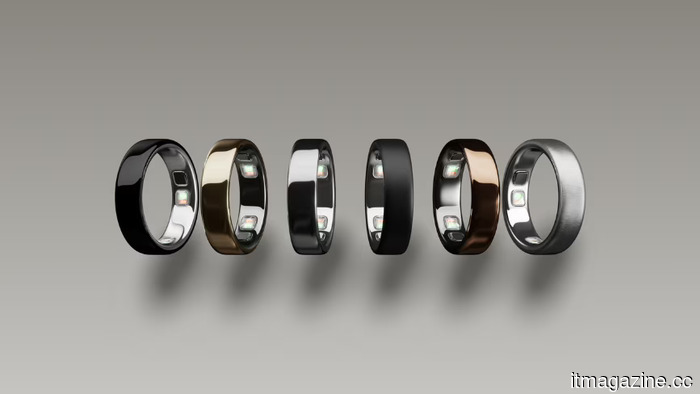 Oura Ring 5 is released as the smallest smart ring globally, priced at $399.
Oura's Ring 5 is now 40% smaller, with a width of 6.09mm. It includes features for detecting blood pressure patterns and AI health monitoring. It will be available starting June 4, with prices beginning at $399. An IPO filing is expected soon.
Oura Ring 5 is released as the smallest smart ring globally, priced at $399.
Oura's Ring 5 is now 40% smaller, with a width of 6.09mm. It includes features for detecting blood pressure patterns and AI health monitoring. It will be available starting June 4, with prices beginning at $399. An IPO filing is expected soon.
Waymo launches a more affordable Ojai robotaxi constructed by China's Geely.
Waymo's latest Ojai robotaxi reduces sensor usage by 42% and is priced at $75,000 less than the Jaguar I-PACE. Manufactured by Geely's Zeekr in China, it will debut in three cities across the US.