
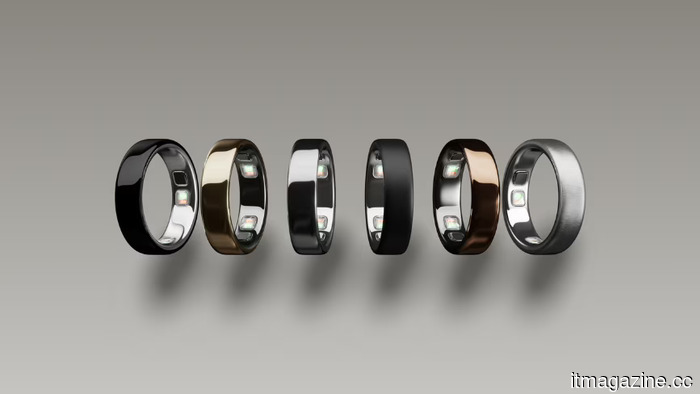
Oura Ring 5 is released as the smallest smart ring globally, priced at $399.
TL;DR: Oura has introduced the Ring 5, a smart ring that is 40% smaller than its predecessor, measuring 6.09mm in width. It features blood pressure pattern detection and AI-driven Health Radar monitoring. Starting at $399, it will be available for shipping on June 4, as Oura gears up for a US IPO valued at $11 billion.
Oura has unveiled the Ring 5, a smart ring that is 40% more compact than the previous model, with a width of 6.09mm and a thickness of 2.29mm, making it the smallest smart ring available. Depending on size, the ring weighs as little as 2 grams, in contrast to the Ring 4, which measured 7.99mm in width and 2.88mm in thickness. Despite its reduced size, Oura claims that the Ring 5 maintains the same sensor accuracy and offers battery life of up to nine days.
"We have finally achieved something that feels like a real technological miracle," stated CEO Tom Hale to CNBC. "This is what our members have been requesting for years." The Ring 5 can be preordered now for $399 in black and silver, or $499 for gold, stealth, brushed silver, and deep rose options, with shipping set to begin on June 4. An Oura membership is required, costing $5.99 monthly or $69.99 yearly.
Blood pressure signals and AI health monitoring
The Ring 5 introduces a feature called Health Radar, an AI-driven monitoring system that continuously tracks biometric signals such as body temperature, respiratory rate, and heart rate variability in the background. When Health Radar identifies patterns indicating strain, it alerts the wearer. Oura has built its reputation on passive health tracking devoid of screens or notifications, and Health Radar enhances this with predictive abilities.
The standout new feature is Blood Pressure Signals, which identifies changes and patterns that may suggest cardiovascular strain. However, it is important to note that the ring does not directly measure blood pressure. Instead, it observes biometric patterns correlated with increasing blood pressure and notifies users when concerning developments are detected. This feature positions Oura within the expanding market for continuous cardiovascular monitoring, competing with companies focused on cuffless blood pressure measurement in wrist-worn devices.
A Nighttime Breathing feature offers a 30-day ongoing view of sleep-related breathing patterns and disruptions, providing users with data that may prompt discussions with healthcare providers about conditions like sleep apnea. Additionally, Oura is incorporating GLP-1 insights, which monitor weight and body changes for users taking GLP-1 medications such as Ozempic and Wegovy, giving a comprehensive view of their medication journey.
A company on the cusp of going public
The launch of the Ring 5 occurs at a crucial time for Oura as a business. The company has confidentially filed for a US IPO and is valued at around $11 billion following a $900 million Series E funding round led by Fidelity in late 2025. The total capital raised approaches $1.5 billion, with further backing from ICONIQ, Whale Rock, and Atreides. Oura has also secured a $250 million revolving credit facility arranged by JPMorgan, Goldman Sachs, Bank of America, Barclays, Citi, and Wells Fargo.
The financial outlook is ambitious. Oura reported revenues surpassing $500 million in 2024, roughly doubled to about $1 billion in 2025, and Hale has indicated the company could near $2 billion in sales by 2026. The Ring 5 aims to drive that growth by addressing the most common complaint from current users: the thick design of the ring.
The smart ring market is becoming crowded
Oura pioneered the smart ring category, but it no longer holds exclusive control. Samsung launched the Galaxy Ring at $399, matching Oura's starting price and integrating it into the Samsung Health ecosystem. The Galaxy Ring weighs as little as 2.3 grams and has gained popularity among users who find smartwatches too cumbersome for sleep tracking. Although Apple has yet to release a ring, reports suggest it is exploring the form factor, and CCS Insight has predicted that an Apple Ring could debut as early as 2026.
Wearable fitness trackers have transformed from simple step counters to advanced monitoring devices, and the smart ring occupies a unique space between convenience and clinical functionality. This category attracts users seeking continuous health data without the burden of wearing a screen on their wrist, and the Ring 5's smaller size aims to simplify this trade-off even further.
For Oura, the Ring 5 represents both a new product launch and a pre-IPO declaration. The introduction of a smaller, more advanced ring coinciding with an IPO filing indicates the company's confidence in its ability to maintain growth as a public entity. While the health wearable market is increasingly competitive, Oura believes that the ring format, along with AI-driven health insights, provides it a
Other articles
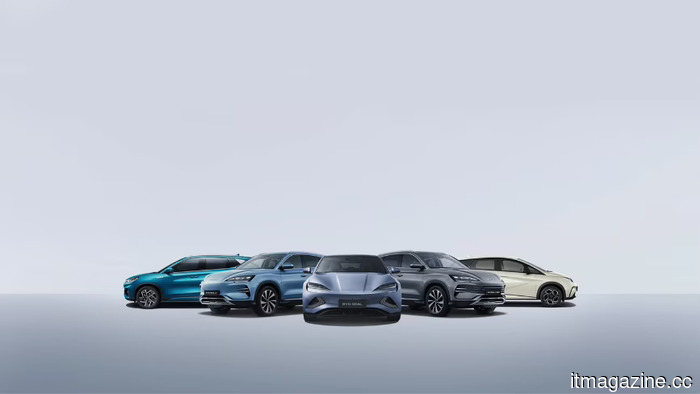 BYD introduces China's initial 4nm driving chip and enhances the capability of God's Eye.
BYD’s Xuanji A3 represents China’s first automotive chip at 4nm, boasting 700 TOPS. The God’s Eye driver assistance system is being extended to mainstream electric vehicles as sales decline for the eighth consecutive month.
BYD introduces China's initial 4nm driving chip and enhances the capability of God's Eye.
BYD’s Xuanji A3 represents China’s first automotive chip at 4nm, boasting 700 TOPS. The God’s Eye driver assistance system is being extended to mainstream electric vehicles as sales decline for the eighth consecutive month.
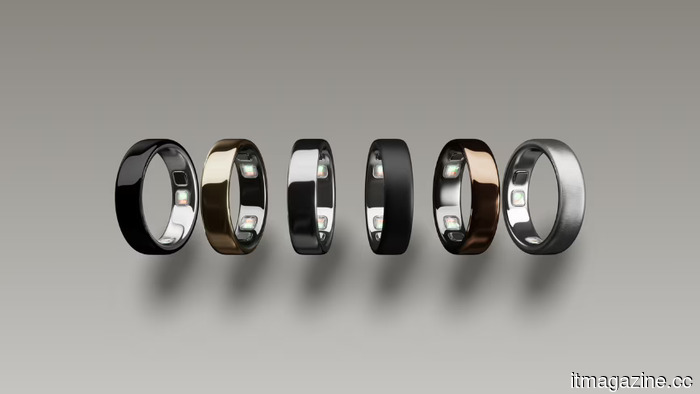 Oura Ring 5 debuts as the smallest smart ring in the world, priced at $399.
Oura's Ring 5 is now 40% smaller, measuring 6.09mm in width, and includes features for detecting blood pressure patterns and AI health monitoring. It will be available starting June 4, with a starting price of $399. An IPO filing is expected soon.
Oura Ring 5 debuts as the smallest smart ring in the world, priced at $399.
Oura's Ring 5 is now 40% smaller, measuring 6.09mm in width, and includes features for detecting blood pressure patterns and AI health monitoring. It will be available starting June 4, with a starting price of $399. An IPO filing is expected soon.
 Qualcomm's Snapdragon C chip targets low-cost laptops as the MacBook Neo reshapes the budget category.
Qualcomm's latest Snapdragon C chip is designed for budget laptops priced from $300, offering all-day battery life and reliable performance for students, families, and small businesses.
Qualcomm's Snapdragon C chip targets low-cost laptops as the MacBook Neo reshapes the budget category.
Qualcomm's latest Snapdragon C chip is designed for budget laptops priced from $300, offering all-day battery life and reliable performance for students, families, and small businesses.
 You should experience Marathon before the internet makes that choice for you.
Marathon's Open Play Week is just around the corner, making it the perfect moment for players to experience Bungie's sleek extraction shooter firsthand.
You should experience Marathon before the internet makes that choice for you.
Marathon's Open Play Week is just around the corner, making it the perfect moment for players to experience Bungie's sleek extraction shooter firsthand.
 On this Scary Movie website, you can control Ghostface however you like.
Scary Movie has introduced an interactive website in advance of its June 5 release, allowing fans to input commands and see Ghostface perform them on screen.
On this Scary Movie website, you can control Ghostface however you like.
Scary Movie has introduced an interactive website in advance of its June 5 release, allowing fans to input commands and see Ghostface perform them on screen.
 Waymo launches more affordable Ojai robotaxi manufactured by China's Geely.
Waymo's latest Ojai robotaxi reduces its sensors by 42% and is priced at $75,000 less than the Jaguar I-PACE. Manufactured by Geely's Zeekr in China, it is set to debut in three cities across the US.
Waymo launches more affordable Ojai robotaxi manufactured by China's Geely.
Waymo's latest Ojai robotaxi reduces its sensors by 42% and is priced at $75,000 less than the Jaguar I-PACE. Manufactured by Geely's Zeekr in China, it is set to debut in three cities across the US.
Oura Ring 5 is released as the smallest smart ring globally, priced at $399.
Oura's Ring 5 is now 40% smaller, with a width of 6.09mm. It includes features for detecting blood pressure patterns and AI health monitoring. It will be available starting June 4, with prices beginning at $399. An IPO filing is expected soon.