
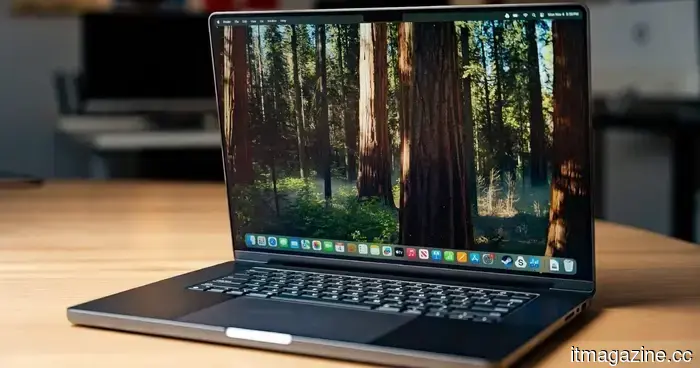
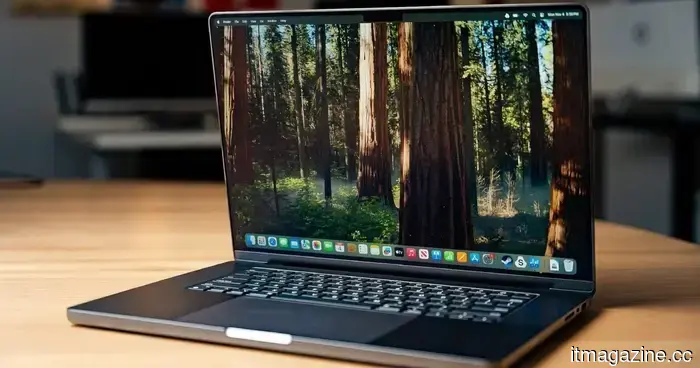
OLED MacBook Pros are on the verge of being released, and the display might just justify the anticipation.
The OLED MacBook Pro is no longer just a distant aspiration, and your display experience is on the verge of a significant enhancement.
I recently penned an article expressing my enthusiasm for the forthcoming MacBook Pro. One of the points I highlighted was the anticipated display improvements, particularly the transition to an OLED panel and possibly the inclusion of a touch screen.
The OLED rumor appears to be nearly validated. According to TheElec, the OLED panels for the MacBook Pro have entered mass production. Samsung Display has achieved a significant manufacturing milestone, reaching a yield exceeding 90% for its 8.6th-generation OLED panels.
What does yield mean?
In straightforward terms, yield indicates the percentage of panels produced without defects. The display industry considers a yield of around 90% to be ideal for mass production. Samsung not only achieved this figure but has also optimized some processes to reach 95%, which the company refers to as a “golden yield.”
Last month, the process had only an 80% yield, making the improvement within just over a month quite impressive. Higher yields lead to reduced production costs, which can eventually result in lower prices for consumers. However, based on Apple's historical practices, any cost benefits may not be passed down to consumers.
Currently, Samsung Display is operating one production line at half its maximum capacity, producing 7,500 sheets monthly. These panels are intended for Apple's 14-inch and 16-inch MacBook Pro models, with shipping expected to start as early as next month and an estimated supply of around 2 million units for the year.
Why is producing laptop OLEDs so difficult?
Manufacturing laptop OLED displays is considerably more challenging than making smartphone panels. They are larger, remain on for extended periods, and require higher brightness, improved longevity, and uniform brightness across a broader area.
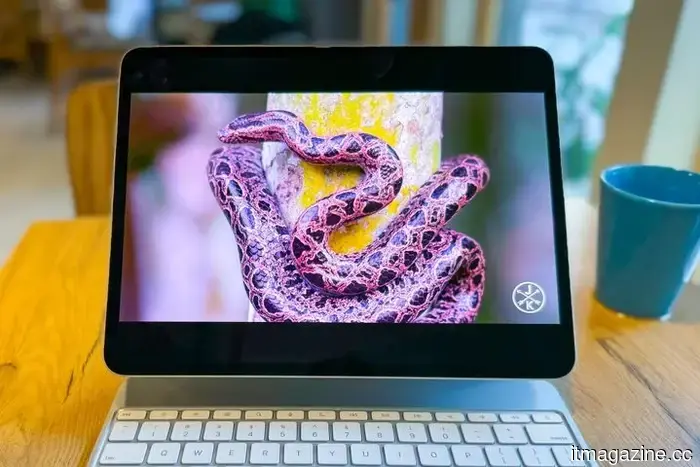
Samsung's panel employs a two-stack tandem structure, layering two light-emitting layers, contributing to the challenges of achieving high yields. This is the same tandem-OLED technology used in Apple’s iPad Pro lineup, known for housing some of the best OLED displays available.
If sales of OLED MacBook Pros perform well, Samsung is prepared to activate its second production line, effectively doubling output almost immediately. The MacBook Neo has already become a notable success for Apple, and the company may be seeking to replicate that success.
Nonetheless, there are rumors that the upcoming MacBook Pros could face a significant price increase, which might dampen some enthusiasm.
Rachit is an experienced tech journalist with more than seven years of expertise covering the consumer technology sector.
I miss when technology appeared cheap, plastic, and genuine.
Modern technology presents a sleeker and more upscale look, but older plastic devices had a quality of honesty that goes beyond mere polish; they were straightforward about their nature.
While playing retro games on my Anbernic RG353V, I realized I missed something unexpected: gadgets that looked inexpensive. I’m not referring to faulty technology, broken devices, or any nostalgic notion that everything was better when batteries were prone to leaks and screens had limited viewing angles.
Raycast 2.0 has introduced a new feature that has frustrated me.
Raycast 2.0 is a fantastic update, but one change has completely disrupted my workflow.
I have been using Raycast for years, and it consistently ranks among my favorite Mac applications. It accomplishes a lot without becoming obtrusive, which is precisely what one seeks from a productivity tool. So, naturally, I updated to Raycast 2.0 right away.
For the most part, I appreciate the new features and interface changes included in the update. However, there is one alteration that has been subtly bothering me daily since I updated, and I need to address it.
You now have the ability to send Codex tasks from your phone even when your Mac is locked.
OpenAI's Codex application for Mac has received a significant upgrade, making it feel like we're living in the future. You can now send a task to Codex from your phone, allowing it to utilize applications on your Mac, even with the screen off and the device locked.
One of the primary concerns with AI agents like Claude Cowork or OpenAI Codex is that they require your Mac to be unlocked and operational for functionality. This presents a considerable security issue that may deter most users. However, with the latest update to Codex, OpenAI seems to have addressed this concern.



Other articles
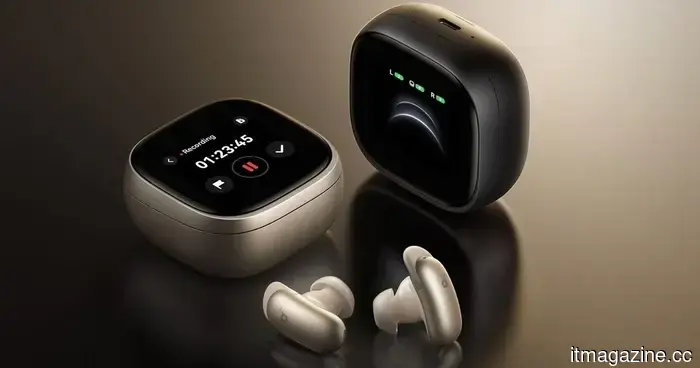 Anker’s Soundcore Liberty 5 earbuds utilize AI to tackle the biggest issue with wireless earbuds.
Anker's latest Soundcore Liberty 5 Pro earbuds are equipped with a dedicated AI chip that enhances call clarity, boosts noise cancellation, translates conversations, and even transforms the Pro Max case into a note-taking device.
Anker’s Soundcore Liberty 5 earbuds utilize AI to tackle the biggest issue with wireless earbuds.
Anker's latest Soundcore Liberty 5 Pro earbuds are equipped with a dedicated AI chip that enhances call clarity, boosts noise cancellation, translates conversations, and even transforms the Pro Max case into a note-taking device.
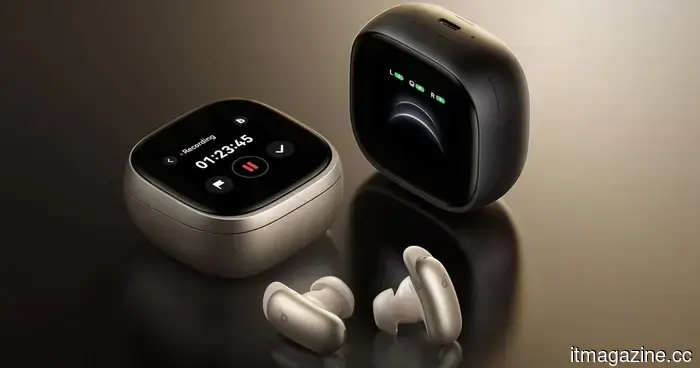 Anker's Soundcore Liberty 5 earbuds utilize artificial intelligence to address the biggest drawback of wireless earbuds.
Anker’s latest Soundcore Liberty 5 Pro earbuds feature a specialized AI chip that enhances call clarity, boosts noise cancellation, translates conversations, and even allows the Pro Max case to function as a note-taker.
Anker's Soundcore Liberty 5 earbuds utilize artificial intelligence to address the biggest drawback of wireless earbuds.
Anker’s latest Soundcore Liberty 5 Pro earbuds feature a specialized AI chip that enhances call clarity, boosts noise cancellation, translates conversations, and even allows the Pro Max case to function as a note-taker.
 Following a letdown of a finale, Vought Rising appears to be the potential savior of the Boys universe.
The first trailer for Vought Rising on Prime Video has been released, showcasing a prequel story set in the 1950s that focuses on Soldier Boy and the sinister beginnings of Vought's initial superhero team.
Following a letdown of a finale, Vought Rising appears to be the potential savior of the Boys universe.
The first trailer for Vought Rising on Prime Video has been released, showcasing a prequel story set in the 1950s that focuses on Soldier Boy and the sinister beginnings of Vought's initial superhero team.
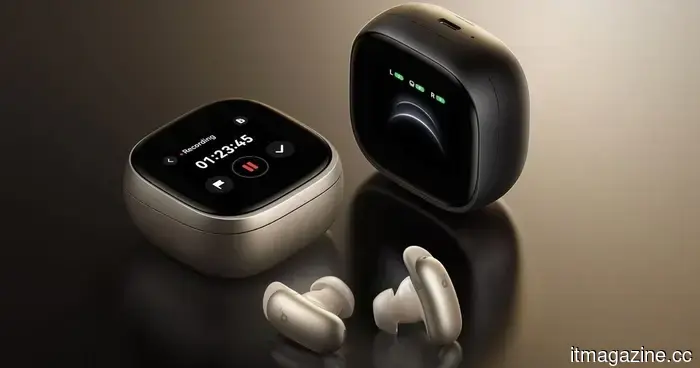 Anker's Soundcore Liberty 5 earbuds utilize AI to address the biggest drawback of wireless earbuds.
Anker's latest Soundcore Liberty 5 Pro earbuds feature a specialized AI chip designed to enhance call quality, boost noise cancellation, translate discussions, and even allow the Pro Max case to function as a note-taking device.
Anker's Soundcore Liberty 5 earbuds utilize AI to address the biggest drawback of wireless earbuds.
Anker's latest Soundcore Liberty 5 Pro earbuds feature a specialized AI chip designed to enhance call quality, boost noise cancellation, translate discussions, and even allow the Pro Max case to function as a note-taking device.
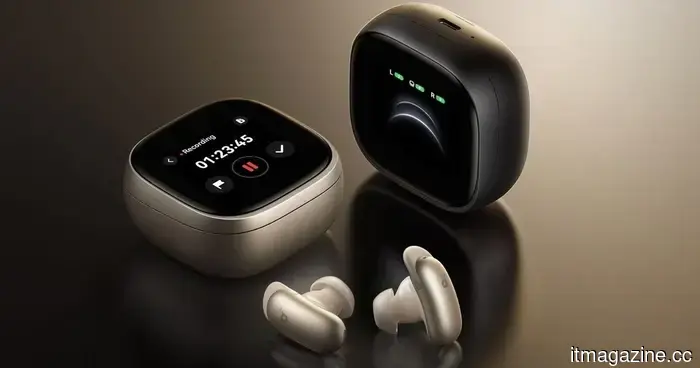 Anker's Soundcore Liberty 5 earbuds utilize AI to address the main shortcomings of wireless earbuds.
Anker’s latest Soundcore Liberty 5 Pro earbuds feature a specialized AI chip that enhances call quality, boosts noise cancellation, translates discussions, and even transforms the Pro Max case into a note-taking device.
Anker's Soundcore Liberty 5 earbuds utilize AI to address the main shortcomings of wireless earbuds.
Anker’s latest Soundcore Liberty 5 Pro earbuds feature a specialized AI chip that enhances call quality, boosts noise cancellation, translates discussions, and even transforms the Pro Max case into a note-taking device.
OLED MacBook Pros are on the verge of being released, and the display might just justify the anticipation.
Samsung Display has achieved a 90% yield on OLED panels intended for the MacBook Pro, with shipments potentially starting as soon as next month.