
IBM secures $1 billion as the US supports nine quantum companies with a total of $2 billion.
The US Department of Commerce has signed nine letters of intent to allocate $2.013 billion in CHIPS Act funding to quantum computing firms, in return for federal equity stakes in each of the recipients. This announcement, made by NIST on Wednesday, formalizes an initiative that was first reported by the Wall Street Journal and marks the most significant intervention by the US government in the quantum industry to date.
IBM is the primary recipient, receiving approximately $1 billion, coupled with a commitment to invest an additional $1 billion of its own into a domestic quantum chip-manufacturing facility. GlobalFoundries, IBM's foundry partner, will receive about $375 million. Three publicly traded pure-play quantum companies—D-Wave Quantum, Rigetti Computing, and Infleqtion—are expected to get around $100 million each, while the silicon-spin startup Diraq is set to receive up to $38 million.
What sets this package apart is its structure. The government is acquiring equity stakes alongside each grant, similar to the equity component that the Trump administration negotiated in the Intel CHIPS award last year. Following this news, quantum stocks surged, with publicly traded recipients experiencing premarket gains of between 7% and 21%.
The administration frames the funding as an industrial policy aimed at countering China. Commerce Secretary Howard Lutnick stated that the letters of intent aim to “lead the world into a new era of American innovation,” aligning with the broader White House narrative on critical technologies.
According to NIST, the package includes two domestic foundries and seven quantum computing companies, based on the premise that a quantum industry requires supporting chip-making capacity.
For IBM, which has invested nearly a decade developing its quantum capabilities from a lab in Yorktown Heights to a data center in Germany, this grant is a validation of its long-term investment. For D-Wave, Rigetti, and Infleqtion, all of which have argued for the past two years that their architectures should be considered viable competitors, the grant is essential for their survival.
However, the letters of intent do not yet clarify the conversion timeline. A letter of intent is not a binding commitment; the funds will be released based on achieving certain milestones, and the terms of the equity stakes remain undisclosed.
NIST’s announcement positions the support as aimed at developing “utility-scale, fault-tolerant” quantum computers, which is where commercial viability begins to take shape. None of the recipients have reached that stage yet.
Politically, this move is clear. The US has spent the last three years observing China achieve increasingly notable quantum breakthroughs from state-funded labs, prompting the Commerce Department to respond with its own state-backed cap table strategy. Whether equity stakes in an industry that has yet to achieve commercialization will yield returns or merely distribute federal risk across nine balance sheets poses an issue that will be inherited by the next administration, regardless of its identity.
Get the TNW newsletter to receive the week's most significant tech news in your inbox.
Other articles
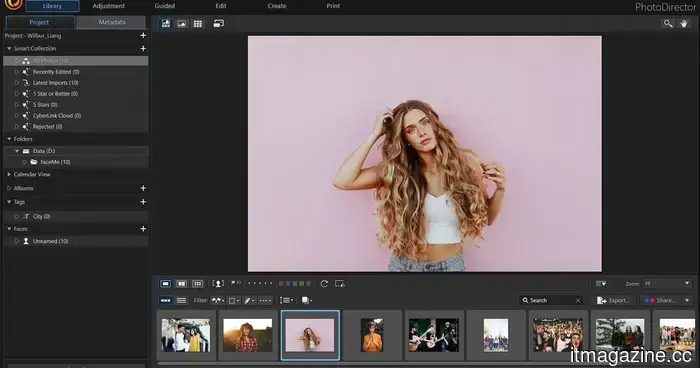 AI is energizing "wizards" on 4Chan who fulfill requests to alter images of women by nudifying them.
A recent analysis by ISD and a report from WIRED reveal how users on 4chan are establishing a systematic approach to creating nonconsensual AI-generated nude images, which relies on requests, status updates, and the transfer of content between private platforms.
AI is energizing "wizards" on 4Chan who fulfill requests to alter images of women by nudifying them.
A recent analysis by ISD and a report from WIRED reveal how users on 4chan are establishing a systematic approach to creating nonconsensual AI-generated nude images, which relies on requests, status updates, and the transfer of content between private platforms.
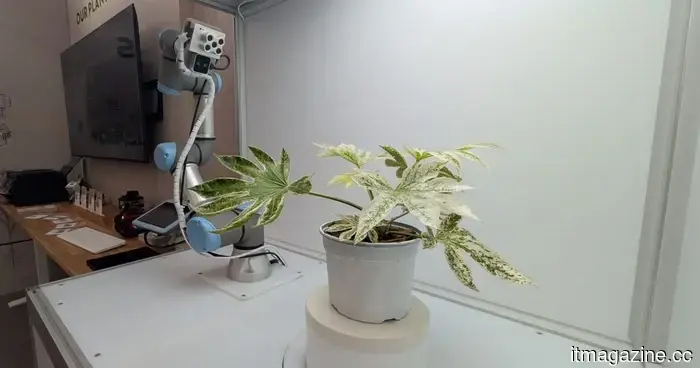 A compassionate robot has recently achieved a silver medal at one of the largest flower exhibitions in the world.
The University of Lincoln received a Silver Gilt medal at the RHS Chelsea Flower Show 2026 for their exhibit, which employs robots and AI to assess plant health and influence the future of food.
A compassionate robot has recently achieved a silver medal at one of the largest flower exhibitions in the world.
The University of Lincoln received a Silver Gilt medal at the RHS Chelsea Flower Show 2026 for their exhibit, which employs robots and AI to assess plant health and influence the future of food.
 IBM secures $1 billion as the U.S. supports nine quantum firms with $2 billion.
The US Department of Commerce has entered into nine letters of intent under the CHIPS Act, totaling $2 billion, which includes acquiring equity in companies such as IBM, D-Wave, Rigetti, and others.
Spotify and Universal have reached a licensing agreement for AI-generated covers and remixes.
Spotify Premium subscribers will have the ability to create AI-generated covers and remixes of UMG songs as part of a new licensing agreement. The financial details of the deal have not been revealed.
IBM secures $1 billion as the U.S. supports nine quantum firms with $2 billion.
The US Department of Commerce has entered into nine letters of intent under the CHIPS Act, totaling $2 billion, which includes acquiring equity in companies such as IBM, D-Wave, Rigetti, and others.
Spotify and Universal have reached a licensing agreement for AI-generated covers and remixes.
Spotify Premium subscribers will have the ability to create AI-generated covers and remixes of UMG songs as part of a new licensing agreement. The financial details of the deal have not been revealed.
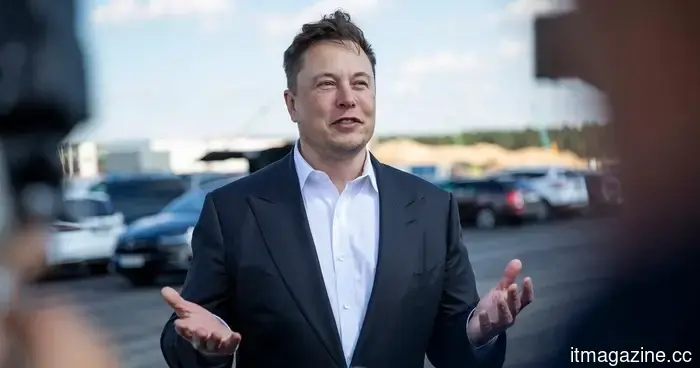 Elon Musk will receive a significant payday if he establishes a colony of one million people on Mars.
Elon Musk's SpaceX compensation scheme could result in a significant stock grant if the company achieves a substantial valuation and establishes a colony of one million people on Mars.
Elon Musk will receive a significant payday if he establishes a colony of one million people on Mars.
Elon Musk's SpaceX compensation scheme could result in a significant stock grant if the company achieves a substantial valuation and establishes a colony of one million people on Mars.
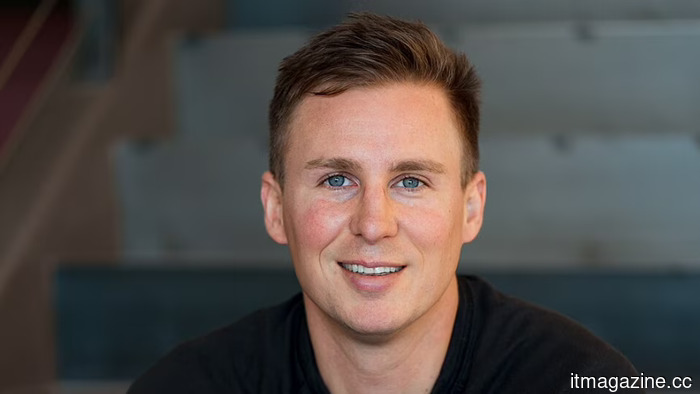 Brett Adcock's AI hardware company, Hark, has secured $700 million in funding, achieving a valuation of $6 billion.
Hark, established by serial entrepreneur Brett Adcock, has secured $700 million at a valuation of $6 billion. Investors include Nvidia, AMD, and Intel.
Brett Adcock's AI hardware company, Hark, has secured $700 million in funding, achieving a valuation of $6 billion.
Hark, established by serial entrepreneur Brett Adcock, has secured $700 million at a valuation of $6 billion. Investors include Nvidia, AMD, and Intel.
IBM secures $1 billion as the US supports nine quantum companies with a total of $2 billion.
The US Department of Commerce has finalized nine letters of intent under the CHIPS Act, totaling $2 billion, which involves equity investments in companies such as IBM, D-Wave, Rigetti, and others.