
Farewell to the home screen: How NEED is transforming Telegram into a digital marketplace.
No one feels thrilled about downloading a new app these days. The routine of tapping the store, waiting for the icon to appear, setting up an account, and trusting it with a credit card has become a cumbersome process that many choose to avoid. As a result, they refrain from downloading apps altogether, opting instead for platforms where functionality occurs seamlessly without cluttering their home screen.
WeChat figured this out years ago in China by offering a single app for messaging, payments, doctor bookings, and food deliveries. Although the West hasn't quite managed to replicate that concept, something intriguing is happening within Telegram. Once merely a messaging app, it is quietly evolving into a comprehensive marketplace for services that were previously scattered across multiple applications.
Currently, if you explore Telegram’s mini-app ecosystem, you’ll discover offerings like VPN subscriptions, eSIM stores, game top-ups, and digital gift cards, all accessible with a single tap and without the need for installation. This represents a gradual transformation that shifts away from the traditional model. The app store mentality, where each function requires its own icon, is giving way to a chat-native approach, where services appear as bots and mini-apps within an interface that users already have open.
Need, a marketplace created by Roxman's team within the well-known Telegram Major¹ ecosystem, exemplifies this transition. The name is almost too fitting: it serves as a centralized access point for digital items that users would typically seek across multiple platforms. There’s no separate app to download or extra login required. Everything operates on Telegram’s existing framework for authentication, notifications, and payments, making the process of purchasing a gift card or an eSIM feel less like a deviation and more like sending a message.
Payments are the understated powerhouse in this scenario. With a debit card or cryptocurrency, users don’t have to share their financial information with yet another vendor. Most services are delivered within minutes; speed is no longer a selling point but rather an expected standard, as switching apps can disrupt the user experience.
The team is focusing its future efforts on areas like travel, expanded gaming options, and subscription services, all designed to function as a layer within Telegram rather than as standalone platforms. Roxman views this less as a product expansion and more as a strategic move to capitalize on where users already direct their attention. If individuals spend hours each day on a messaging platform, the services that succeed will be those that do not require them to leave.
This marks a subtle disruption of the traditional distribution model. For years, owning an app meant having control over the customer. However, if a customer’s attention is already anchored elsewhere, the smarter strategy is not to pull them away but to be present in that space, ready to serve. Thus, the emergence of mini-app marketplaces is not merely a technological curiosity; it is a logical response to an environment where the home screen has ceased to be the focal point.
¹ The Telegram mini-app featuring a built-in NFT market, custom verification, games, staking, and its own token.
Other articles
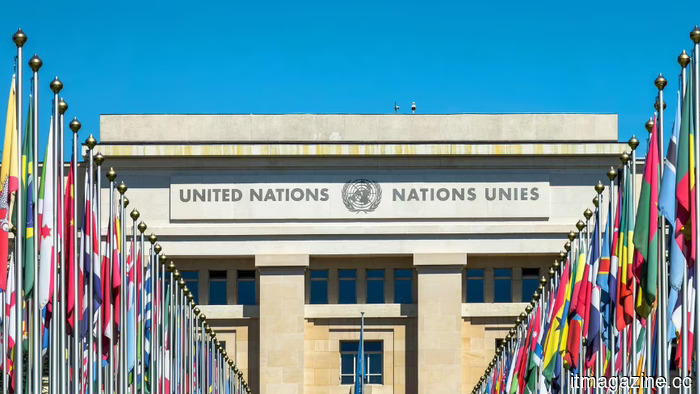 A UN draft protocol aims to broaden countries' authority to impose taxes on technology giants.
A UN draft protocol from May 5 would allow countries to impose taxes on digital giants based on the location of their users. The document is set for negotiation in New York this August.
A UN draft protocol aims to broaden countries' authority to impose taxes on technology giants.
A UN draft protocol from May 5 would allow countries to impose taxes on digital giants based on the location of their users. The document is set for negotiation in New York this August.
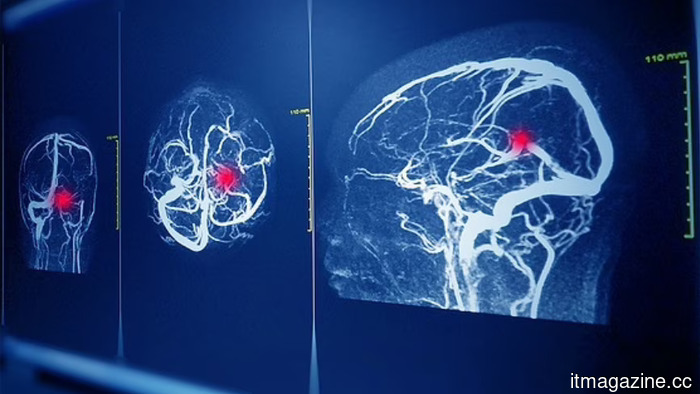 Within the subtle transformation of clinical decision-making.
CARA Systems, a spinoff from NYU, employs AI-based imaging and personalized analytics to assist neurospecialists in making more uniform and tailored choices regarding the risk of intracranial aneurysms.
Within the subtle transformation of clinical decision-making.
CARA Systems, a spinoff from NYU, employs AI-based imaging and personalized analytics to assist neurospecialists in making more uniform and tailored choices regarding the risk of intracranial aneurysms.
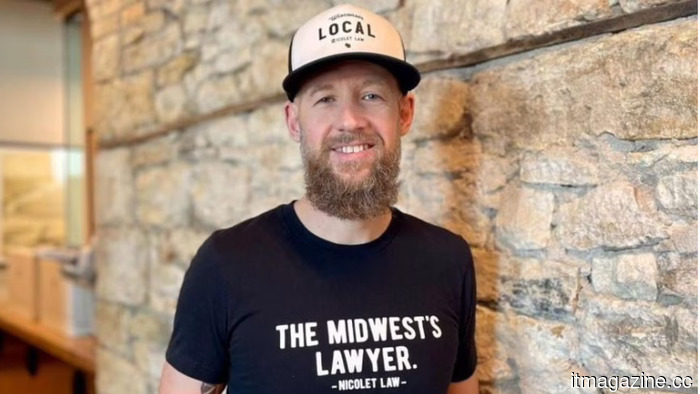 How Russell Nicolet created a personal injury firm from the ground up, without a guide.
Russell Nicolet, a first-generation law student, started Nicolet Law as a solo practice. He received training from leading trial lawyers across the country and grew the firm into a personal injury operation spanning multiple states.
How Russell Nicolet created a personal injury firm from the ground up, without a guide.
Russell Nicolet, a first-generation law student, started Nicolet Law as a solo practice. He received training from leading trial lawyers across the country and grew the firm into a personal injury operation spanning multiple states.
 HHS initiates an AI project aimed at identifying fraud and waste in federal health programs.
HHS has introduced an AI initiative to conduct real-time screenings of Medicare, Medicaid, CHIP, and Marketplace claims for fraud, moving away from the previous "pay and chase" approach.
HHS initiates an AI project aimed at identifying fraud and waste in federal health programs.
HHS has introduced an AI initiative to conduct real-time screenings of Medicare, Medicaid, CHIP, and Marketplace claims for fraud, moving away from the previous "pay and chase" approach.
 HHS initiates AI project to identify fraud and waste in federal health programs.
HHS has introduced an AI initiative to conduct real-time screenings of Medicare, Medicaid, CHIP, and Marketplace claims for fraud, moving away from the traditional "pay and chase" approach.
HHS initiates AI project to identify fraud and waste in federal health programs.
HHS has introduced an AI initiative to conduct real-time screenings of Medicare, Medicaid, CHIP, and Marketplace claims for fraud, moving away from the traditional "pay and chase" approach.
 Oura confidentially submits its filing for a US IPO as sales of its rings surge.
Finnish smart ring manufacturer Oura has submitted a confidential filing for an IPO in the US, shortly after raising $11 billion in a Series E funding round and surpassing $1 billion in revenue.
Oura confidentially submits its filing for a US IPO as sales of its rings surge.
Finnish smart ring manufacturer Oura has submitted a confidential filing for an IPO in the US, shortly after raising $11 billion in a Series E funding round and surpassing $1 billion in revenue.
Farewell to the home screen: How NEED is transforming Telegram into a digital marketplace.
NEED creates a chat-driven marketplace within Telegram, allowing users to purchase eSIMs, gift cards, and VPNs without the need to download an app. This initiative is part of a larger trend moving from traditional app stores to mini-app ecosystems.