
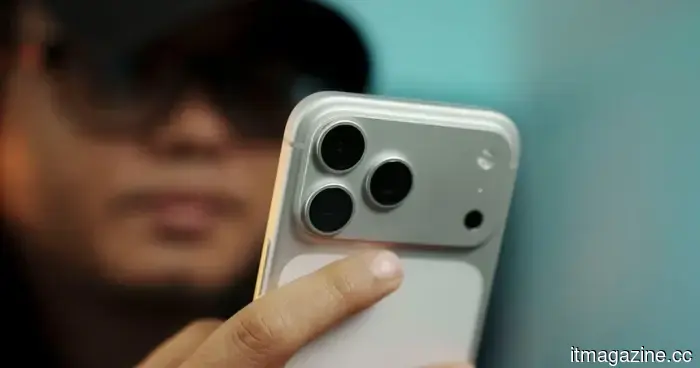
Apple introduces new AI-driven accessibility features for iPhone, Mac, and Vision Pro.
Apple has unveiled a comprehensive array of accessibility enhancements for the iPhone, iPad, Mac, Apple Vision Pro, and Apple TV, many of which are driven by Apple Intelligence. The company states that these updates aim to make devices more beneficial for users with visual, auditory, mobility, and learning disabilities while upholding Apple’s commitment to privacy in AI.
These new accessibility features will be implemented later this year as part of Apple’s forthcoming software updates.
Apple incorporates AI into accessibility features
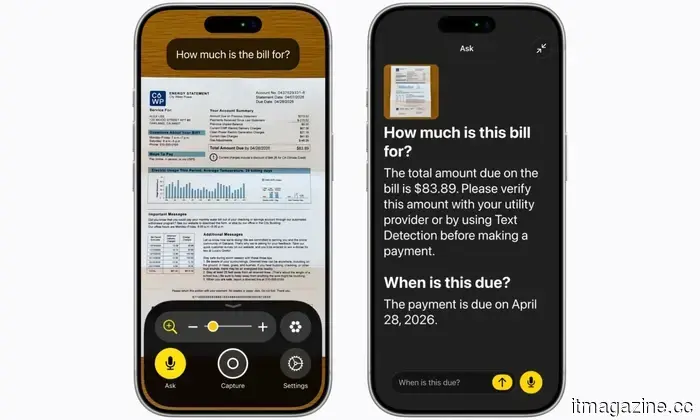
A significant update centers around VoiceOver and Magnifier, targeting users who are blind or have low vision. Apple reports that VoiceOver’s new “Image Explorer” capability can now deliver more comprehensive descriptions of images, scanned documents, bills, and other visual material using Apple Intelligence. Users will also have the ability to pose follow-up inquiries regarding what the camera detects through the iPhone’s Action button.
Magnifier will also feature AI-driven visual descriptions and voice control capabilities. Users can issue spoken commands like “zoom in” or “turn on flashlight” while utilizing this feature.
Additionally, Apple is enhancing Voice Control with natural language interactions. Rather than needing to memorize specific button labels, users can now communicate what they see on their screens with phrases such as “tap the purple folder” or “open the restaurant guide.” The company asserts that this enhancement will simplify app navigation for users with physical disabilities.
Automatically generated subtitles and improved reading features
Moreover, Apple is introducing automatically generated subtitles for videos lacking captions. This feature employs on-device speech recognition to create subtitles privately for personal videos, streamed content, and clips from friends or family. The generated subtitles will be available across the iPhone, iPad, Mac, Apple TV, and Apple Vision Pro.
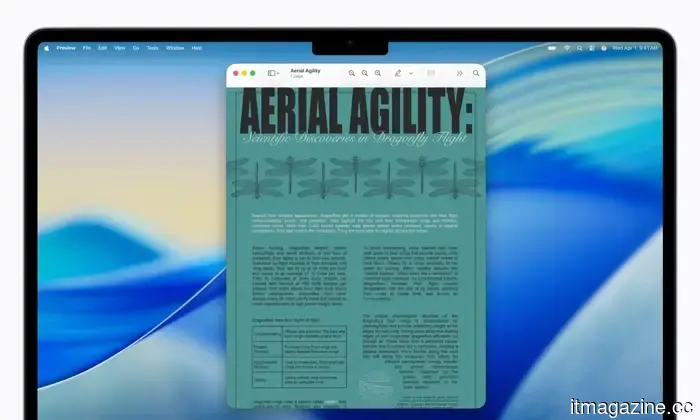
Accessibility Reader is being expanded to accommodate more intricate source materials, such as scientific articles with columns, tables, and images. AI-generated summaries and integrated translation tools will also be included.
Apple Vision Pro introduces eye-controlled wheelchair functionality
One of the standout announcements concerns Apple Vision Pro. Apple states that users with compatible alternative wheelchair drive systems will soon have the ability to control powered wheelchairs using the eye-tracking technology of Vision Pro. This feature will initially be compatible with Tolt and LUCI systems in the US.
In addition, the company revealed further accessibility updates for Vision Pro, including facial gesture recognition, enhanced Dwell Control, and tools to reduce motion sickness for passengers in moving vehicles.
The significance of these features
Accessibility has been a long-standing priority for Apple, and the latest updates highlight how AI is increasingly integrated into assistive technologies. Rather than relegating AI to productivity or chatbot roles, Apple is incorporating it into practical accessibility functions, such as visual perception, navigation, reading support, and communication.
The company continues to emphasize on-device processing and privacy, especially as AI-driven features become more prevalent across consumer devices. Apple indicates that these new accessibility features will be rolled out later this year throughout its product ecosystem. Additional details are expected to be revealed during WWDC, where the company will likely demonstrate how Apple Intelligence facilitates these updates across iOS, iPadOS, macOS, and visionOS.
Other articles
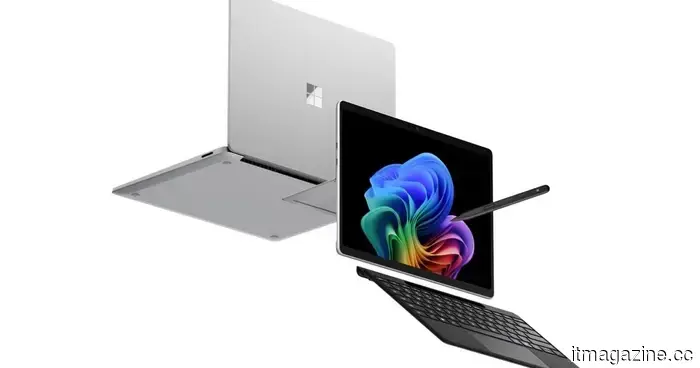 Microsoft's latest Surface PCs are becoming more intelligent, more expensive, and surprisingly adept at maintaining confidentiality.
Microsoft has recently unveiled its newest generation of Surface series laptops designed specifically for businesses. The updated Surface Pro and Surface Laptop for Business models feature Intel’s latest Core Ultra Series 3 processors, on-device AI capabilities, enhanced security, and numerous other enhancements to cater to business needs. What features do they provide, and what is the price tag […]
Microsoft's latest Surface PCs are becoming more intelligent, more expensive, and surprisingly adept at maintaining confidentiality.
Microsoft has recently unveiled its newest generation of Surface series laptops designed specifically for businesses. The updated Surface Pro and Surface Laptop for Business models feature Intel’s latest Core Ultra Series 3 processors, on-device AI capabilities, enhanced security, and numerous other enhancements to cater to business needs. What features do they provide, and what is the price tag […]
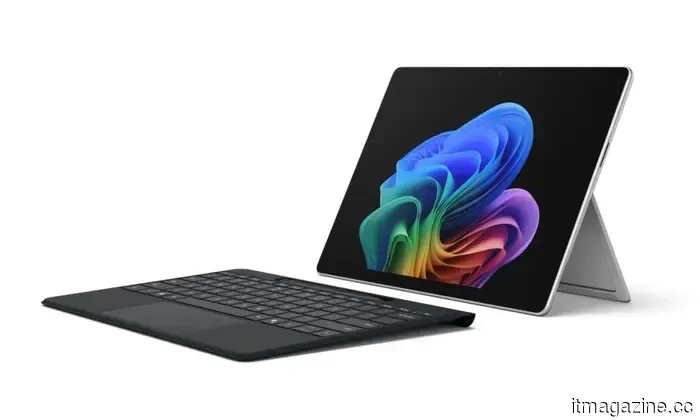 Microsoft's latest Surface PCs are becoming more intelligent, more expensive, and surprisingly adept at maintaining confidentiality.
Microsoft has recently unveiled its newest generation of Surface series laptops, specifically designed for the business sector. The updated Surface Pro and Surface Laptop for Business models come equipped with Intel’s latest Core Ultra Series 3 processors, on-device AI capabilities, enhanced security features, and various other enhancements tailored for a business environment. What are the features, and how substantial […]
Microsoft's latest Surface PCs are becoming more intelligent, more expensive, and surprisingly adept at maintaining confidentiality.
Microsoft has recently unveiled its newest generation of Surface series laptops, specifically designed for the business sector. The updated Surface Pro and Surface Laptop for Business models come equipped with Intel’s latest Core Ultra Series 3 processors, on-device AI capabilities, enhanced security features, and various other enhancements tailored for a business environment. What are the features, and how substantial […]
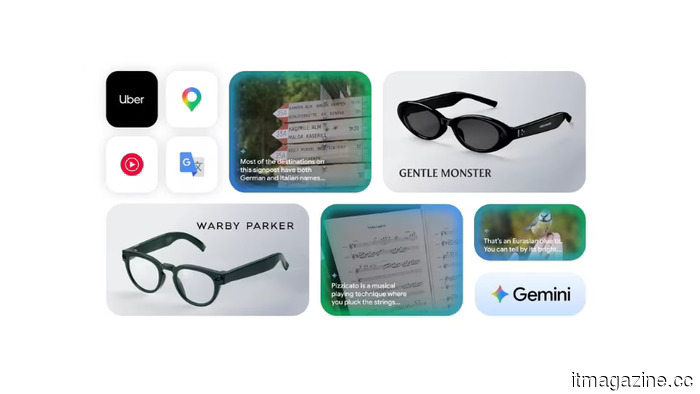 Google reveals Gemini-enhanced smart glasses at I/O 2026.
Google introduced AI audio glasses at I/O 2026 in collaboration with Warby Parker and Gentle Monster. Equipped with Gemini 2.5 Pro, they are set to be released this autumn.
Google reveals Gemini-enhanced smart glasses at I/O 2026.
Google introduced AI audio glasses at I/O 2026 in collaboration with Warby Parker and Gentle Monster. Equipped with Gemini 2.5 Pro, they are set to be released this autumn.
 Google's latest Gemini Spark AI agent can take care of your tasks while you manage your life.
Google's Gemini Spark is an innovative AI assistant that manages multi-step tasks in the background, operates within Google's applications, and continues functioning even when you shut your laptop.
Google's latest Gemini Spark AI agent can take care of your tasks while you manage your life.
Google's Gemini Spark is an innovative AI assistant that manages multi-step tasks in the background, operates within Google's applications, and continues functioning even when you shut your laptop.
 Sony introduces the 1000X Collexion headphones, maintaining a sophisticated look at an attractive price point.
Sony's latest 1000X THE COLLEXION noise-cancelling headphones share the same audio heritage as the WH-1000XM6 headphones, but come in a more fashionable design and at a striking price point.
Sony introduces the 1000X Collexion headphones, maintaining a sophisticated look at an attractive price point.
Sony's latest 1000X THE COLLEXION noise-cancelling headphones share the same audio heritage as the WH-1000XM6 headphones, but come in a more fashionable design and at a striking price point.
 Google DeepMind links Street View to the Project Genie world model | TNW
Google DeepMind has connected two decades of Street View images to its Genie world model, enabling AI Ultra subscribers to navigate AI-created simulations of actual streets.
Google DeepMind links Street View to the Project Genie world model | TNW
Google DeepMind has connected two decades of Street View images to its Genie world model, enabling AI Ultra subscribers to navigate AI-created simulations of actual streets.
Apple introduces new AI-driven accessibility features for iPhone, Mac, and Vision Pro.
Apple has unveiled new accessibility features driven by AI, which include enhanced VoiceOver tools, automatic subtitles, better reading assistance, and eye-controlled wheelchair support for Vision Pro.