

I’m strangely enthusiastic about the forthcoming anti-doomscrolling feature in Android 17.
I have previously discussed how doomscrolling has radically altered my approach to short-form content. What used to be a brief break for a few YouTube Shorts or Instagram Reels has somehow morphed into an automatic habit that I hardly notice anymore. I pick up my phone for a specific reason, open a social media app for just a minute, and before I know it, I'm trapped in an endless vertical stream of videos I never intended to watch. The frustrating part is that I am fully conscious of this as it unfolds.
I've tried various methods to change this habit—setting screen time limits, using app timers, turning off notifications, hiding apps from my home screen, and even making an effort to keep my phone away while working. Some of these strategies work temporarily, but the muscle memory inevitably returns. Even during work hours, I find myself unlocking my phone without thinking and quickly falling back into the doomscrolling cycle. This is why a specific announcement during the Android Show 2026 truly captured my attention. Among the many updates, there was a feature in Android 17 that genuinely seemed useful, and I am oddly excited for it to arrive on my Google Pixel 10a.
My thumb seems to have outsmarted my mind, and I find that frustrating.
What’s peculiar about doomscrolling is that it hardly feels deliberate anymore. I don’t actively sit down and think, “Great, I’d love to spend the next 45 minutes watching strangers rearranging kitchen shelves and listening to Reddit confession stories.” It just occurs. That’s what makes the habit feel so elusive.
At some point, accessing apps like Instagram or X became an instinctual act. I unlock my phone to respond to a Slack message, check an email, or quickly search for something important, and somehow, my thumb automatically navigates to a social app before my mind has caught up. Often, I don’t even realize I’ve opened Instagram until I’m already several reels deep into content I never meant to watch. Honestly, I believe that’s the most unsettling aspect of contemporary doomscrolling.
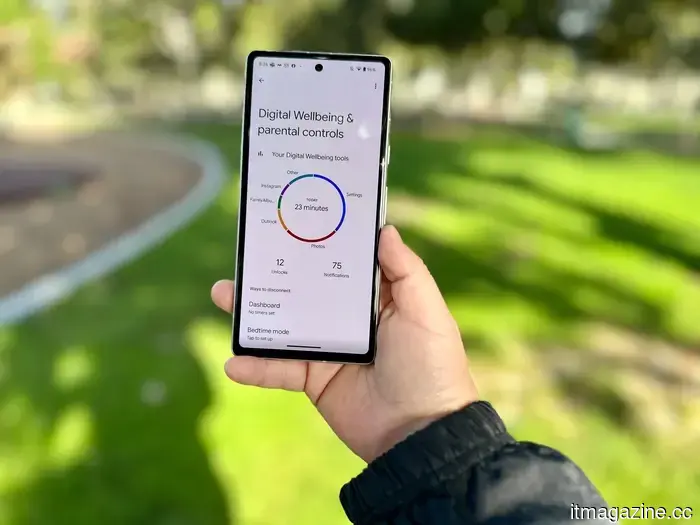
This is precisely why Android 17’s new Pause Point feature immediately stood out to me during the Android Show 2026. Many digital wellbeing tools today rely on strict restrictions—timers, lockouts, warning screens, app limits—but the issue is that habitual scrolling often occurs before you consciously recognize what you're doing. By the time you see a screen-time warning, you’re already lost in the scrolling vortex. Pause Point seems different because it is designed to interrupt that autopilot behavior, and that small psychological shift is why I am more excited about this feature than I initially expected.
Android is introducing resistance to apps designed to eliminate it.
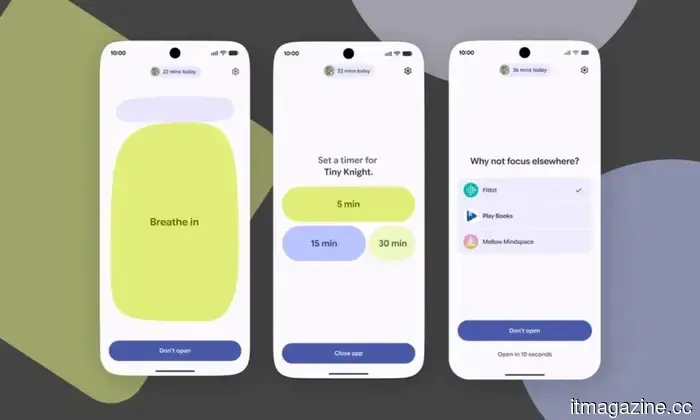
The usefulness of Pause Point lies in its approach: instead of instantly directing you to distracting apps you've marked, Android 17 intentionally introduces a brief pause—a 10-second delay—before you access them. So, if I tap on Instagram or X out of habit, the app doesn’t immediately plunge me into an unending stream of reels, posts, and videos. Instead, I get a moment of respite first.
During that pause, Android can prompt you to engage in something else entirely. You can take a quick breathing exercise, set a timer to prevent accidentally scrolling for hours, browse through favorite photos, or even explore healthier alternatives like reading or pursuing something more productive.
Furthermore, Google is intentionally making it challenging to disable this feature once it’s activated. You apparently need to restart your phone to turn it off entirely, which may seem slightly bothersome, but I honestly think this is by design. If it were easy to deactivate, many of us would likely choose to do so the moment we felt impatient. I know I would.
Perhaps the solution was never about having more discipline after all.
Pause Point feels refreshing because it recognizes that doomscrolling is typically no longer a conscious choice. Most of the time, I’m not actively opting to spend half an hour watching reels during work. I unlock my phone for something unrelated, and suddenly, I’m stuck in a loop I never intended to enter.
That’s why this feature appears more intelligent than most digital wellbeing tools I’ve previously tried. It seeks to disrupt the habit before it takes hold completely. Even a brief 10-second pause might be enough to make me reconsider whether I genuinely want to open the app at that moment or if I’m merely acting on autopilot again. Honestly, I believe many of us need that interruption more than we realize.
Will Pause Point completely eliminate my doomscrolling habit overnight? Probably not. My mind and thumb have accumulated years of social media muscle memory. But if this feature can assist me in being even slightly more mindful about how often I open distracting apps throughout the day, that would already be a significant improvement. For the first time in a while, this feels like a digital wellbeing feature crafted around genuine human behavior, and that alone makes me genuinely eager to try it.

Other articles
 Edifier’s latest budget headphones feature song lyrics displayed on the earcups, and I'm perplexed.
Edifier has introduced the Auro Ace budget headphones, featuring a customizable dot-matrix display capable of displaying synchronized lyrics and animations in real time.
Edifier’s latest budget headphones feature song lyrics displayed on the earcups, and I'm perplexed.
Edifier has introduced the Auro Ace budget headphones, featuring a customizable dot-matrix display capable of displaying synchronized lyrics and animations in real time.
 The initial DDR5 memory kit from ASUS ROG appears to be rapid, eye-catching, and incredibly costly.
ASUS ROG has introduced its inaugural DDR5 desktop memory kit, which boasts a capacity of 48GB, speeds of DDR5-6000, and high-end specifications aimed at enthusiasts.
The initial DDR5 memory kit from ASUS ROG appears to be rapid, eye-catching, and incredibly costly.
ASUS ROG has introduced its inaugural DDR5 desktop memory kit, which boasts a capacity of 48GB, speeds of DDR5-6000, and high-end specifications aimed at enthusiasts.
 YouTube is providing creators with a new tool to combat AI deepfakes.
YouTube is introducing a new AI safety feature designed to assist creators in identifying deepfake-style videos that use their likeness. This tool operates discreetly in the background, but its significance may grow as AI-generated content becomes more prevalent on the internet.
YouTube is providing creators with a new tool to combat AI deepfakes.
YouTube is introducing a new AI safety feature designed to assist creators in identifying deepfake-style videos that use their likeness. This tool operates discreetly in the background, but its significance may grow as AI-generated content becomes more prevalent on the internet.
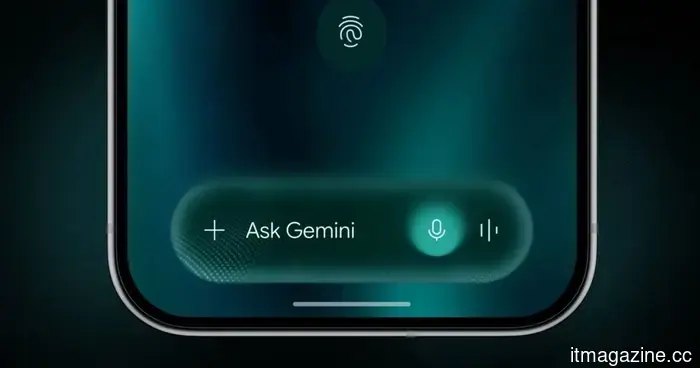 Google's Rambler might make voice typing an experience I actually enjoy.
Google's Rambler appears to be a minor enhancement to Gboard, yet it could discreetly address a genuine issue by transforming chaotic spoken ideas into messages that you would likely send.
Google's Rambler might make voice typing an experience I actually enjoy.
Google's Rambler appears to be a minor enhancement to Gboard, yet it could discreetly address a genuine issue by transforming chaotic spoken ideas into messages that you would likely send.
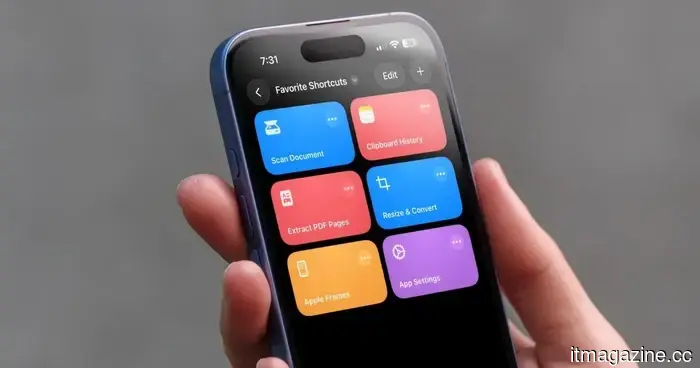 I can't imagine life without iPhone shortcuts. Here are my top 7 favorites that you should definitely give a try as well.
iPhone shortcuts can significantly reduce the time you spend on tasks. Here are seven of my personal favorites that I use daily, and I'm confident you'll appreciate them as well.
I can't imagine life without iPhone shortcuts. Here are my top 7 favorites that you should definitely give a try as well.
iPhone shortcuts can significantly reduce the time you spend on tasks. Here are seven of my personal favorites that I use daily, and I'm confident you'll appreciate them as well.
 Mozilla is struggling to demonstrate that VPNs are crucial privacy tools for all.
Mozilla is cautioning UK regulators about the potential consequences of undermining VPNs, asserting that they continue to be vital tools for privacy and security as global restrictions increase.
Mozilla is struggling to demonstrate that VPNs are crucial privacy tools for all.
Mozilla is cautioning UK regulators about the potential consequences of undermining VPNs, asserting that they continue to be vital tools for privacy and security as global restrictions increase.
I’m strangely enthusiastic about the forthcoming anti-doomscrolling feature in Android 17.
I believed I had exhausted all methods to curb doomscrolling, but Android 17’s new Pause Point feature feels refreshingly unique. Rather than penalizing screen time, it intervenes in the habit before the scrolling cycle starts.