

YouTube is providing creators with a new tool to combat AI deepfakes.
Rachit Agarwal / Digital Trends
AI-generated videos are becoming so lifelike that identifying a fake version of someone online is increasingly challenging week by week. This situation poses an uncomfortable issue for creators: what occurs when your face appears in videos you didn't create? YouTube appears to be taking this concern seriously.
The platform is expanding its AI likeness detection system to a broader range of creators, providing eligible users with new tools to monitor and report videos that digitally replicate them using artificial intelligence. Previously, this feature was confined to a smaller pilot group within the YouTube Partner Program, but YouTube has announced that it will start rolling it out to all eligible creators over the age of 18 in the weeks ahead.
YouTube aims for creators to identify AI clones more quickly.
The new system is integrated within YouTube Studio and aims to assist creators in recognizing when their face may have been utilized in altered or synthetic videos uploaded to the platform. This means YouTube’s detection tools will scan for AI-generated content that appears to mimic a creator’s likeness. If the system detects something unusual, creators can review the content and request its removal if it breaches YouTube’s privacy policies.
Credit: Bing Image Generator / Bing
This is significant because AI-generated impersonation is becoming an increasing concern online. Deepfake-style videos can now convincingly imitate facial expressions, voices, and even speech patterns. For creators who establish trust through their online personas, fake videos can be exceedingly damaging or misleading. YouTube states that this tool is intended to provide creators with more insight into how their images are utilized while assisting audiences in avoiding confusion regarding manipulated content.
The setup process is relatively straightforward, but identifying matches may take some time.
Zulfugar Karimov / Pexels
Once the feature is available for your account, you can activate it directly through YouTube Studio on a desktop. Here’s how to do it:
1. Open YouTube Studio on your desktop.
2. Navigate to Content Detection > Likeness > Start Now.
3. Allow YouTube permission to use likeness detection.
4. Complete the one-time identity verification process.
Once the setup is finalized, the platform will begin scanning for AI-generated or altered videos that may feature your face. If any matches are found, you can review the content and request its removal directly through YouTube Studio.
Interestingly, YouTube also cautions that creators may not see flagged videos immediately after enrolling. This doesn’t necessarily signify that the feature is malfunctioning—it may simply mean there are few AI-generated uploads using their likeness to begin with.
The company reassures that the system continues to function quietly in the background, even when no matches are detected. This rollout also emphasizes a larger transformation currently occurring across online platforms. AI tools are advancing more rapidly than most moderation systems can keep pace with, and companies are increasingly pressured to develop safeguards against identity misuse, synthetic media, and deepfakes before these issues escalate. For YouTube creators, this new detection system might become one of the most essential safety tools in the AI era.
Shimul is a contributor at Digital Trends, with over five years of experience in the tech field.
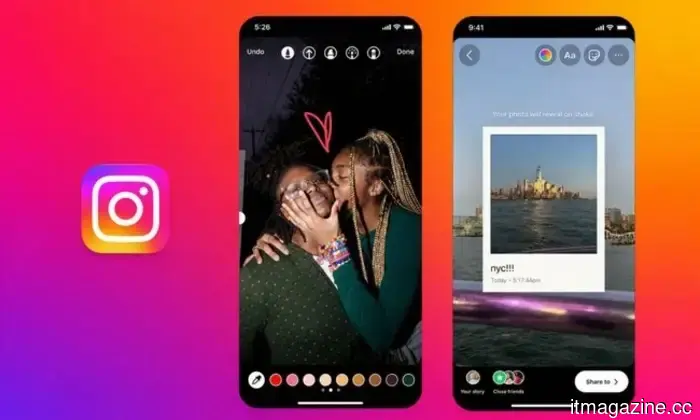
Noticed an error in your Instagram Story? You can now edit it after posting.
Instagram's new Edit Story feature means no more deleting and starting over.
We’ve all shared an Instagram Story with a typo and had no choice but to delete the entire post and start again. Those times may finally be over.
Instagram is currently rolling out the option to edit a Story after it has been published, although it appears to be a limited release for now. Social media consultant Matt Navarra was among the first to highlight this on X.
Read more
Meta is testing an AI bot that is set to unleash the same online foolishness as AskGrok on X.
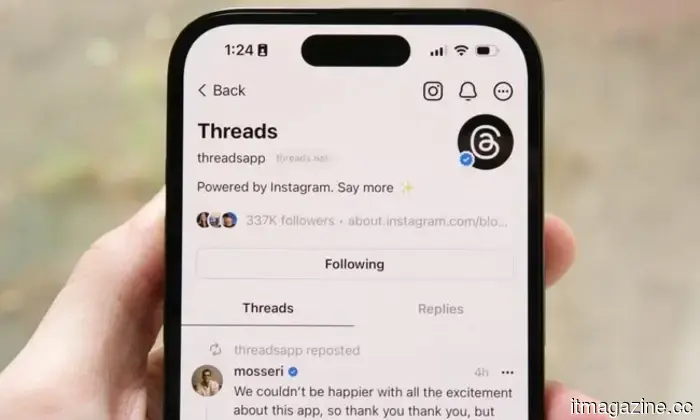
Threads is introducing its own version of AskGrok, and it’s already generating controversy.
If you have ever used X and seen someone tag Grok under a viral post asking "is this real???"—congratulations, Threads is about to provide you with the same experience.
Meta is testing a new feature that assigns its AI chatbot a dedicated account on Threads, @meta.ai, allowing users to tag it directly within posts and replies. The bot will then respond publicly, providing added context, recommendations, or information regarding the ongoing discussion.
Read more
You cannot block Meta’s AI bot on Threads. I’m not sure what we did to deserve this.
Meta's newly launched Threads AI chatbot cannot be blocked, and users are expressing frustration over the loss of basic control over their feeds.
Meta implemented its AI chatbot on Threads this week, but it comes with an unintended surprise.
The new @meta.ai account, reported by Engadget, operates similarly to Grok on X. You can tag it in a discussion, and it will interject with answers about trending topics, live sports, entertainment, or breaking news.
Read more




Other articles
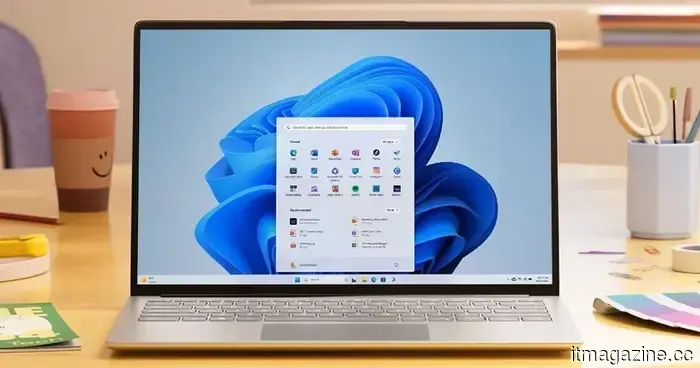 Microsoft is finally addressing the most frustrating aspect of Windows 11.
Microsoft is currently testing one of the most significant interface updates for Windows 11, which subtly reintroduces a feature that many users have longed for over the years. Additionally, the Start menu is undergoing changes, and some of the enhancements appear to be quite considerate.
Microsoft is finally addressing the most frustrating aspect of Windows 11.
Microsoft is currently testing one of the most significant interface updates for Windows 11, which subtly reintroduces a feature that many users have longed for over the years. Additionally, the Start menu is undergoing changes, and some of the enhancements appear to be quite considerate.
 The seven new job titles that have emerged due to AI, ranging from Claude Evangelist to Chief AI Officer.
AI firms are employing philosophers, advocates, vibe coders, and engineers who are strategically placed. Salaries begin at $108,000 and can go up to almost $500,000.
The seven new job titles that have emerged due to AI, ranging from Claude Evangelist to Chief AI Officer.
AI firms are employing philosophers, advocates, vibe coders, and engineers who are strategically placed. Salaries begin at $108,000 and can go up to almost $500,000.
 Mozilla is struggling to demonstrate that VPNs are crucial privacy tools for all.
Mozilla is cautioning UK regulators about the potential consequences of undermining VPNs, asserting that they continue to be vital tools for privacy and security as global restrictions increase.
Mozilla is struggling to demonstrate that VPNs are crucial privacy tools for all.
Mozilla is cautioning UK regulators about the potential consequences of undermining VPNs, asserting that they continue to be vital tools for privacy and security as global restrictions increase.
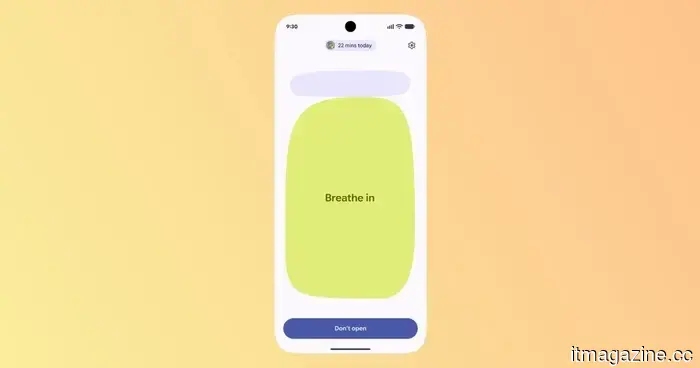 I’m strangely enthusiastic about the forthcoming anti-doomscrolling feature in Android 17.
I believed I had exhausted all methods to curb doomscrolling, but Android 17’s new Pause Point feature feels refreshingly unique. Rather than penalizing screen time, it intervenes in the habit before the scrolling cycle starts.
In iOS 27, Apple's Siri app will automatically delete your conversations. It might also be re-released as a beta version.
The independent Siri application provides options for chat retention of 30 days, one year, or indefinitely. Apple seems to be using privacy as a justification for an AI assistant that is two years behind schedule.
I’m strangely enthusiastic about the forthcoming anti-doomscrolling feature in Android 17.
I believed I had exhausted all methods to curb doomscrolling, but Android 17’s new Pause Point feature feels refreshingly unique. Rather than penalizing screen time, it intervenes in the habit before the scrolling cycle starts.
In iOS 27, Apple's Siri app will automatically delete your conversations. It might also be re-released as a beta version.
The independent Siri application provides options for chat retention of 30 days, one year, or indefinitely. Apple seems to be using privacy as a justification for an AI assistant that is two years behind schedule.
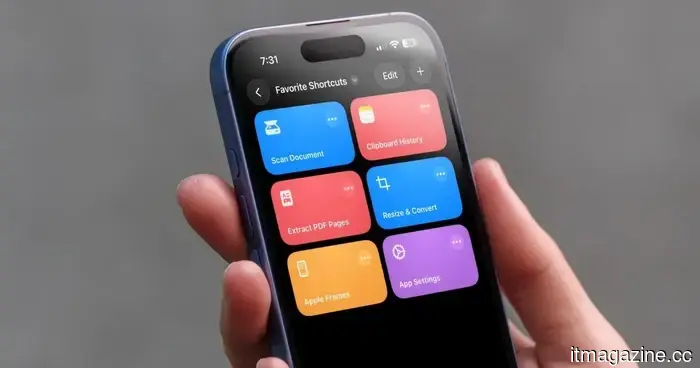 I can't imagine life without iPhone shortcuts. Here are my top 7 favorites that you should definitely give a try as well.
iPhone shortcuts can significantly reduce the time you spend on tasks. Here are seven of my personal favorites that I use daily, and I'm confident you'll appreciate them as well.
I can't imagine life without iPhone shortcuts. Here are my top 7 favorites that you should definitely give a try as well.
iPhone shortcuts can significantly reduce the time you spend on tasks. Here are seven of my personal favorites that I use daily, and I'm confident you'll appreciate them as well.
YouTube is providing creators with a new tool to combat AI deepfakes.
YouTube is introducing a new AI safety feature designed to assist creators in identifying deepfake-style videos that use their likeness. This tool operates discreetly in the background, but its significance may grow as AI-generated content becomes more prevalent on the internet.