
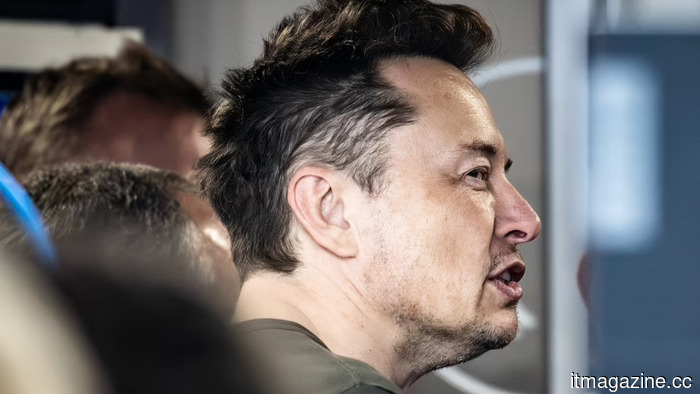
Elon Musk's lawsuit against Sam Altman and OpenAI was dismissed as the jury determined that the claims were submitted past the deadline.
A jury of nine in Oakland unanimously ruled that Elon Musk's lawsuit against Sam Altman and OpenAI was filed too late, resulting in the trial being concluded on statute of limitations grounds without addressing the merits of the case. This advisory verdict, if accepted by the presiding judge, would remove a significant legal hurdle for OpenAI's plans to go public.
Elon Musk has lost his legal battle against Sam Altman, Greg Brockman, OpenAI, and Microsoft. The jury's unanimous verdict on Sunday determined that Musk's claims were submitted after the statute of limitations had expired, thereby ending what was anticipated to be a pivotal corporate governance trial in AI history without delving into whether OpenAI’s executives had acted inappropriately.
Although the verdict is advisory—meaning Judge Yvonne Gonzalez Rogers of the Northern District of California will have the final say on liability—she had expressed prior to deliberation that she was likely to align with the jury's decision. Should she do so, Musk’s efforts to oust Altman from OpenAI, reverse the company’s $852 billion restructuring, and seek up to $134 billion in restitution to OpenAI’s nonprofit foundation would effectively be concluded.
The jury's task was limited to determining whether Musk's lawsuit was filed within the legal timeframe, rather than assessing if Altman and Brockman had betrayed OpenAI's original mission. Musk left OpenAI's board in 2018 but did not initiate the lawsuit until February 2024, creating a six-year gap that his legal team found difficult to justify during the three-week trial. Musk claimed he only realized the full extent of OpenAI’s deviation from its nonprofit mission in 2022 when Microsoft was planning a $10 billion investment. In contrast, OpenAI's lawyers argued that the relevant events, such as the creation of a for-profit subsidiary in 2019 and Microsoft’s $1 billion investment that same year, were publicly known well before Musk filed his suit.
The jury sided with OpenAI, determining that the alleged harms Musk presented occurred before the deadline for his claims, rendering the lawsuit untimely regardless of its substance. The unanimous agreement among jurors indicated that none accepted Musk's argument that the statute of limitations should start from his later realization of the purported misconduct.
Both parties framed the trial as one that would shape AI governance for the coming decade. Musk’s lead attorney, Steven Molo, described Altman and Brockman as having “stolen a charity,” while OpenAI's lawyer, William Savitt, argued that Musk filed suit only after failing to gain control of OpenAI and launching his own competing AI company, xAI, in 2023.
Had the case reached its substantive issues, the jury would have evaluated two civil claims: breach of charitable trust and unjust enrichment. Musk had donated around $44 million to OpenAI from 2015 to 2017 and contended that these contributions were misappropriated when the organization transitioned from a nonprofit research lab to a for-profit entity now valued at hundreds of billions. He sought Altman's removal from leadership, revocation of OpenAI’s restructuring into a public benefit corporation, and up to $134 billion in restitution from OpenAI and Microsoft.
Musk testified for three days, asserting that the case would set a precedent for charitable donations in the U.S., renouncing any personal financial gain and requesting that damages be allocated to OpenAI's nonprofit arm. OpenAI's defense countered that Musk had advocated for a for-profit subsidiary as early as 2017, contingent on his control, and left the board when that demand was denied.
The trial featured a range of prominent figures from Silicon Valley. Testimonies included Altman, Brockman, Microsoft CEO Satya Nadella, former OpenAI chief scientist Ilya Sutskever, and Musk. One significant piece of evidence against OpenAI was a journal entry by Brockman from November 2017, in which he recognized that the company could not sincerely claim to uphold a nonprofit structure if it planned to become a benefit corporation shortly after. Judge Gonzalez Rogers had specifically referenced this journal entry in her ruling allowing the trial to progress.
Sutskever's testimony complicated matters for both sides. He initially gathered evidence of what he termed Altman's deceptive behavior but later expressed regret about reinstating Altman. Altman, during cross-examination, admitted to having “told the occasional lie,” while five witnesses described him as untrustworthy.
OpenAI also called Shivon Zilis, the mother of four of Musk’s children, whose testimony did not support Musk’s claims regarding the organization's foundational commitments. Notably, Musk was absent for the closing arguments on May 14, as he attended a delegation to Beijing with President Trump, a fact that OpenAI's attorneys highlighted before the jury.
The statute of limitations verdict, if endorsed by Gonzalez Rogers, would eliminate a major legal hurdle for OpenAI at a crucial time. The company transitioned to a public benefit corporation
Other articles
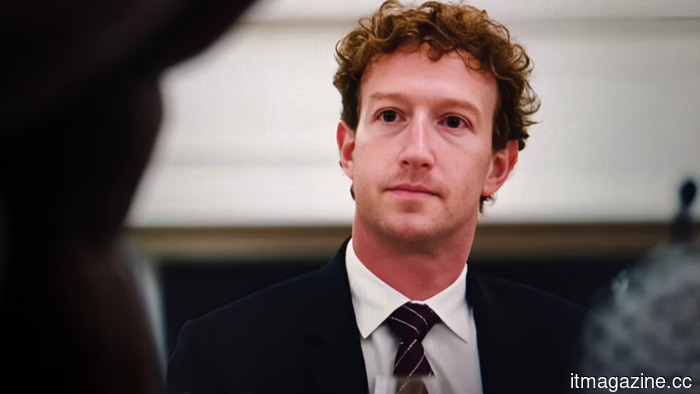 Meta reduces its workforce by 8,000 employees while reporting a record quarterly revenue of $56 billion, as Zuckerberg invests $145 billion in AI infrastructure.
Employee morale has plummeted as Meta announces record profits while cutting 10 percent of its workforce. Additional layoffs are anticipated in August and fall 2026, as the company shifts payroll expenses towards AI capital investments.
Meta reduces its workforce by 8,000 employees while reporting a record quarterly revenue of $56 billion, as Zuckerberg invests $145 billion in AI infrastructure.
Employee morale has plummeted as Meta announces record profits while cutting 10 percent of its workforce. Additional layoffs are anticipated in August and fall 2026, as the company shifts payroll expenses towards AI capital investments.
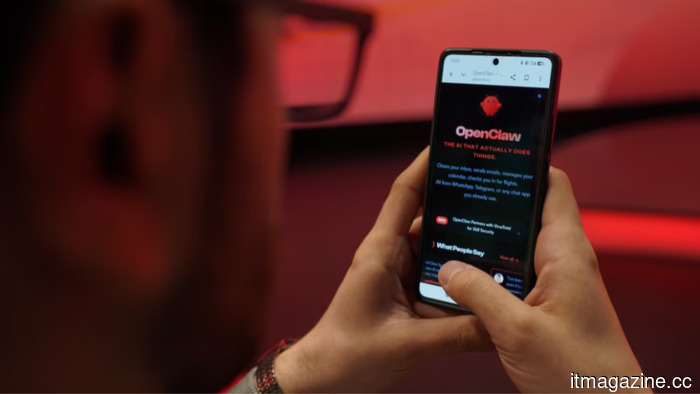 Peter Steinberger's 100 AI agents accumulated $1.3 million in OpenAI tokens within 30 days by developing OpenClaw.
The total amounted to 603 billion tokens through 7.6 million requests from 100 Codex instances utilizing GPT-5.5. If Fast Mode were turned off, the expense would decrease to $300,000, but this number highlights the actual financial implications of developing autonomous AI.
Peter Steinberger's 100 AI agents accumulated $1.3 million in OpenAI tokens within 30 days by developing OpenClaw.
The total amounted to 603 billion tokens through 7.6 million requests from 100 Codex instances utilizing GPT-5.5. If Fast Mode were turned off, the expense would decrease to $300,000, but this number highlights the actual financial implications of developing autonomous AI.
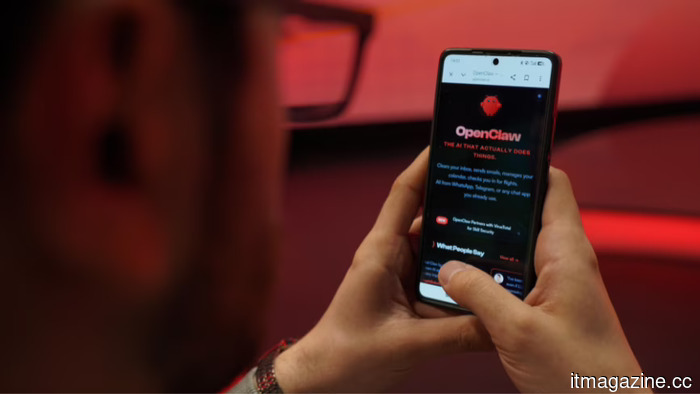 Peter Steinberger's 100 AI agents accumulated $1.3 million in OpenAI tokens within 30 days by developing OpenClaw.
The bill totaled 603 billion tokens from 7.6 million requests across 100 Codex instances utilizing GPT-5.5. Turning off Fast Mode would reduce the expense to $300,000, underscoring the actual financial aspects of developing autonomous AI.
Peter Steinberger's 100 AI agents accumulated $1.3 million in OpenAI tokens within 30 days by developing OpenClaw.
The bill totaled 603 billion tokens from 7.6 million requests across 100 Codex instances utilizing GPT-5.5. Turning off Fast Mode would reduce the expense to $300,000, underscoring the actual financial aspects of developing autonomous AI.
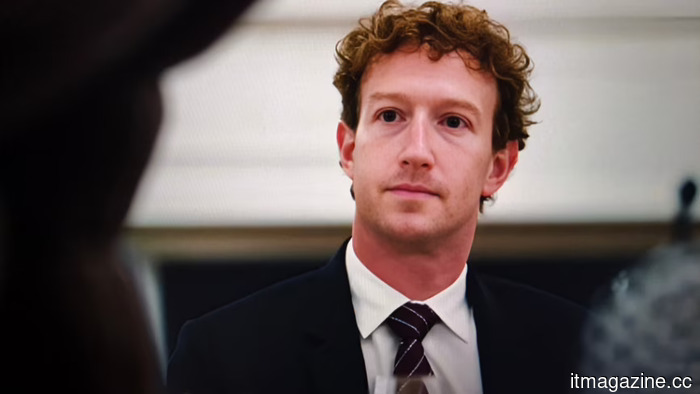 Meta eliminates 8,000 positions while reporting a record $56 billion in quarterly revenue, as Zuckerberg invests $145 billion in AI infrastructure.
Employee morale has plummeted following Meta's announcement of record profits while cutting 10 percent of its workforce. Additional layoffs are anticipated in August and fall 2026 as the company shifts payroll into AI capital expenditures.
Meta eliminates 8,000 positions while reporting a record $56 billion in quarterly revenue, as Zuckerberg invests $145 billion in AI infrastructure.
Employee morale has plummeted following Meta's announcement of record profits while cutting 10 percent of its workforce. Additional layoffs are anticipated in August and fall 2026 as the company shifts payroll into AI capital expenditures.
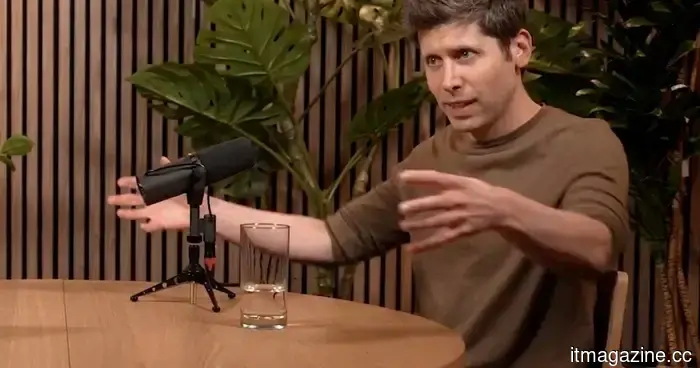 Experts are concerned that as artificial intelligence becomes more intelligent, we may become less intelligent.
As AI transforms intelligence into a readily available service, specialists caution that immediate responses may diminish the curiosity, critical thinking, and verification practices that are essential to valuable human reasoning.
Experts are concerned that as artificial intelligence becomes more intelligent, we may become less intelligent.
As AI transforms intelligence into a readily available service, specialists caution that immediate responses may diminish the curiosity, critical thinking, and verification practices that are essential to valuable human reasoning.
 Amazon introduces Alexa Podcasts, an AI capability that creates complete episodes from authorized news content.
Alexa+ is now capable of producing podcast episodes on a variety of topics, featuring two AI-generated co-hosts. This functionality is supported by licensing agreements with organizations such as AP, Reuters, the Washington Post, and over 200 local newspapers.
Amazon introduces Alexa Podcasts, an AI capability that creates complete episodes from authorized news content.
Alexa+ is now capable of producing podcast episodes on a variety of topics, featuring two AI-generated co-hosts. This functionality is supported by licensing agreements with organizations such as AP, Reuters, the Washington Post, and over 200 local newspapers.
Elon Musk's lawsuit against Sam Altman and OpenAI was dismissed as the jury determined that the claims were submitted past the deadline.
Nine jurors unanimously dismissed Musk's claim that the statute of limitations should begin from his later realization of OpenAI's shift from its nonprofit goals. The advisory verdict essentially concludes his efforts to oust Altman and reverse the $852 billion restructuring.