
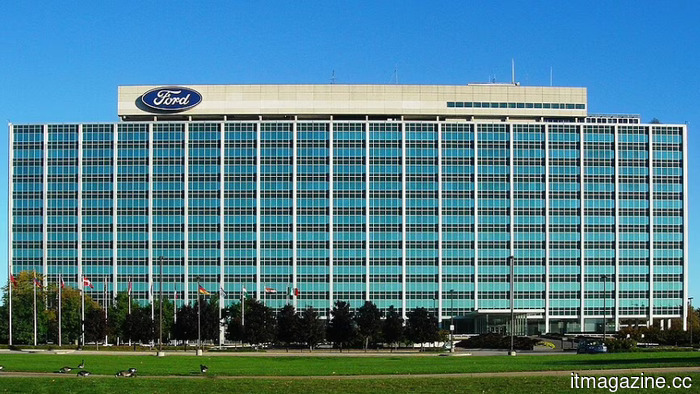
GM, Ford, and Stellantis have reduced their workforce by 20,000 white-collar positions. The trend is set to intensify with the rise of AI.
**Summary:** Since 2022, Detroit's Big Three automakers have reduced their white-collar workforce by 19%, impacting over 20,000 salaried jobs. General Motors recently laid off 500 IT staff while looking to fill 250 AI-related positions. This downsizing began before the current AI developments but has intensified due to them. The white-collar employment among these companies peaked at around 102,000 jobs in 2022 and fell to 88,700 by the end of last year, with GM making the most significant cuts, followed by Ford and Stellantis. The drastic reductions stand in contrast to the open positions in AI, indicating a shift in the industry's focus. Ford CEO Jim Farley stated AI could replace half of white-collar jobs in the US. While AI boosts productivity, it also raises concerns about the loss of institutional knowledge when employees leave. The broader automotive sector hasn't seen a similar decline in white-collar jobs, with Toyota actually increasing its workforce. Stellantis plans to add over 2,000 white-collar jobs in North America, indicating a differing approach within the industry. The entry of Chinese automakers into Canada, offering cheaper vehicles without legacy costs, adds competitive pressure. GM's CEO, Mary Barra, emphasized that the workforce needed to adapt to new challenges, a reality already evident for the 20,000 workers who have lost their jobs. For those remaining, it's uncertain if they are fully prepared for the future ahead.
Other articles
 Dr. Jeffrey L. Brown discusses the importance of reevaluating hormone health via advanced testing methods.
Dr. Jeffrey L. Brown utilizes saliva, stool, and food sensitivity tests to identify hormonal imbalances often overlooked by traditional blood tests, offering personalized care in a primarily virtual format.
Dr. Jeffrey L. Brown discusses the importance of reevaluating hormone health via advanced testing methods.
Dr. Jeffrey L. Brown utilizes saliva, stool, and food sensitivity tests to identify hormonal imbalances often overlooked by traditional blood tests, offering personalized care in a primarily virtual format.
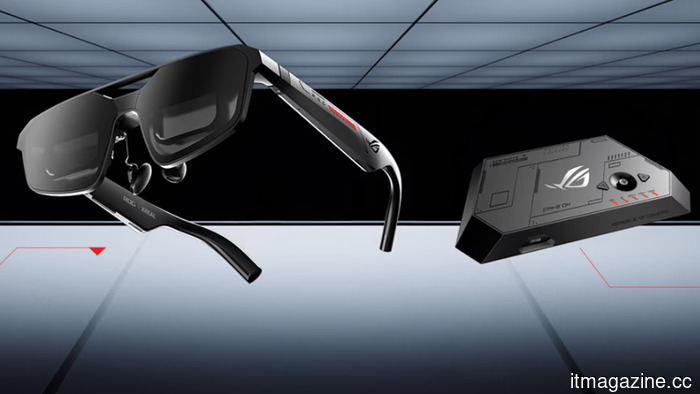 Asus ROG and Xreal have created the first augmented reality gaming glasses with a 240Hz refresh rate. Priced at $849, they will be available for shipping in June.
The ROG Xreal R1 features dual Sony micro-OLED screens, a virtual display measuring 171 inches, and Bose audio, all within a weight of 91 grams. Pre-orders are available now at Best Buy.
Asus ROG and Xreal have created the first augmented reality gaming glasses with a 240Hz refresh rate. Priced at $849, they will be available for shipping in June.
The ROG Xreal R1 features dual Sony micro-OLED screens, a virtual display measuring 171 inches, and Bose audio, all within a weight of 91 grams. Pre-orders are available now at Best Buy.
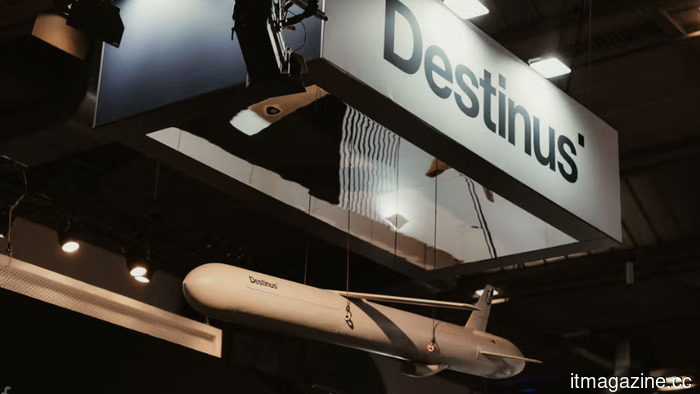 Destinus is seeking to raise €200 million in preparation for an IPO. The manufacturer of cruise missiles aims for a valuation of €5 billion.
The Dutch defense startup produces drones and cruise missiles for Ukraine and its European partners. It has already established a joint venture with Rheinmetall.
Destinus is seeking to raise €200 million in preparation for an IPO. The manufacturer of cruise missiles aims for a valuation of €5 billion.
The Dutch defense startup produces drones and cruise missiles for Ukraine and its European partners. It has already established a joint venture with Rheinmetall.
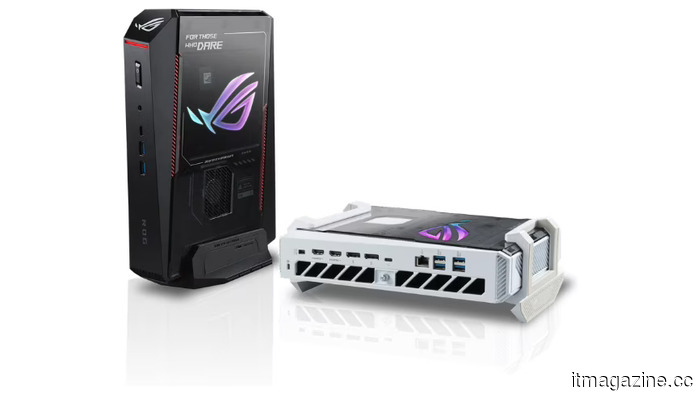 Asus packed an RTX 5080 into a 3-litre chassis. It is priced at $4,400, and the improvement in performance is 2.3%.
The ROG NUC 16 combines Intel's Core Ultra 9 290HX with an RTX 5080 laptop GPU in a case that is smaller than a PS5. The anticipated global price is around $4,000.
Asus packed an RTX 5080 into a 3-litre chassis. It is priced at $4,400, and the improvement in performance is 2.3%.
The ROG NUC 16 combines Intel's Core Ultra 9 290HX with an RTX 5080 laptop GPU in a case that is smaller than a PS5. The anticipated global price is around $4,000.
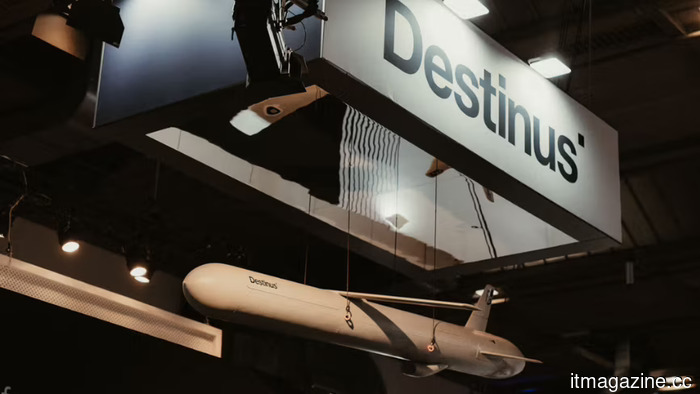 Destinus is securing €200 million in preparation for an IPO. The manufacturer of cruise missiles aims for a valuation of €5 billion.
The Dutch defense startup produces drones and cruise missiles for Ukraine and its European allies. It has already formed a joint venture with Rheinmetall.
Destinus is securing €200 million in preparation for an IPO. The manufacturer of cruise missiles aims for a valuation of €5 billion.
The Dutch defense startup produces drones and cruise missiles for Ukraine and its European allies. It has already formed a joint venture with Rheinmetall.
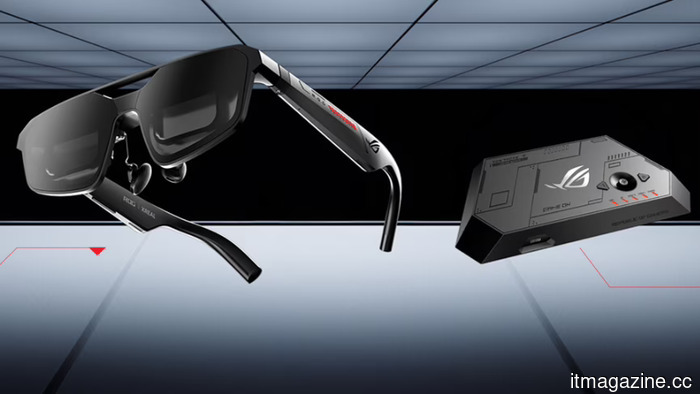 Asus ROG and Xreal have created the first AR gaming glasses with a 240Hz refresh rate. Priced at $849, they will be available for shipping in June.
The ROG Xreal R1 features dual Sony micro-OLED screens, a virtual display measuring 171 inches, and Bose audio, all within a weight of 91 grams. Pre-orders are available now on Best Buy.
Asus ROG and Xreal have created the first AR gaming glasses with a 240Hz refresh rate. Priced at $849, they will be available for shipping in June.
The ROG Xreal R1 features dual Sony micro-OLED screens, a virtual display measuring 171 inches, and Bose audio, all within a weight of 91 grams. Pre-orders are available now on Best Buy.
GM, Ford, and Stellantis have reduced their workforce by 20,000 white-collar positions. The trend is set to intensify with the rise of AI.
Since 2022, Detroit's Big Three have reduced their total salaried workforce by 19%. GM recently laid off an additional 500 IT employees while simultaneously recruiting for 250 positions in AI.