
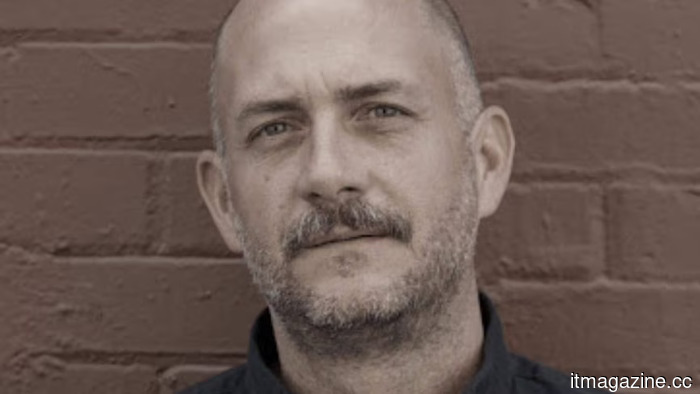
Robert Polacek from RoseBernard Studio discusses the reasons why AI should remain an unseen force in design.
TL;DR: Robert Polacek of RoseBernard Studio contends that AI functions optimally when it operates unobtrusively, managing routine tasks so designers can concentrate on creative endeavors. He asserts that smaller, nimble studios are quicker to adopt new tools and that younger professionals already anticipate AI as a standard aspect of their work.
Artificial intelligence has become a significant topic in discussions around architecture, design, and other creative sectors. However, Robert Polacek, co-founder and creative director of RoseBernard Studio, argues that the most crucial conversations have shifted away from fears of replacement and uncertainty. Instead, he emphasizes how technology can enhance creative potential and foster better collaboration throughout the industry.
Polacek perceives AI as a tool for efficiency, allowing creatives to devote more time to idea development and strengthen their conceptual work within studio settings. Recent research supports this view, revealing that 84% of architects are optimistic about using AI for automating manual tasks.
He explains, “While we are creatives tasked with building physical spaces, there is much technology we can utilize to achieve our goals more efficiently. AI can provide us with additional creative time and help refine our skills simultaneously.”
His experiences during Milan Design Week reaffirmed these beliefs. While attending exhibitions with other creatives, Polacek noted that AI's presence wasn't overtly evident in the displayed work; rather, its impact was subtly woven into the architecture, installations, renderings, written material, and creative processes.
“We realized AI was everywhere, but not prominently featured,” he states. “It was operating behind the scenes, fulfilling its role to create the art we observed. That’s exactly what we advocate. AI doesn’t need to be front and center; it can work for us unobtrusively.”
Polacek considers this thoughtful application crucial for creative industries facing rapid technological advancements. He suggests that studios viewing AI solely as a means to cut costs risk undermining the human elements that give creative work its significance and emotional resonance.
Conversely, he believes firms that completely resist technological progress find themselves at a considerable operational and creative disadvantage. “We aim to minimize friction, remaining vigilant in our adaptation. That’s essential for staying aligned with technological evolution,” he explains.
At RoseBernard Studio, Polacek insists that adaptability has become integral to the firm’s culture. He underscores how team meetings prioritize reviewing new software, assessing systems, and determining if tools can enhance workflow, collaboration, and creative development.
Polacek states, “We convene every two weeks as a team to evaluate the software we're using and upcoming releases. We ask ourselves, ‘Should we change?’ If it suits our needs, we proceed, as we’re agile enough to do so.”
He believes this agility provides smaller studios with a distinct advantage in the current fast-moving environment. Large firms often confront significant challenges in implementing new technologies, especially with multiple offices, departments, and legacy systems in play. “By the time everyone is trained and adapted, something new appears, and everything shifts again,” he notes.
Discussions following a recent presentation by RoseBernard Studio reinforced these observations. During the presentation, Polacek recalls how his team showcased various AI applications in their workflows, from conceptual development and rendering to research and strategic planning. Afterward, younger designers expressed a common concern: many firms still restrict or entirely ban the use of AI, a practice he actively opposes.
He believes younger creatives increasingly expect technology to be integrated into their everyday professional routines, and these expectations will shape the future of studio formation, staffing, and operations. “I’m hiring fresh graduates because they are up to date with the latest technology,” he states. “They apply it outside of work in jewelry design, art, dance, and various creative endeavors.”
Polacek highlights that efficiency has enabled the studio to remain lean while increasing creative output. He stresses that AI has not replaced jobs within the firm but has allowed the studio to operate more effectively with existing teams. “AI has made routine tasks, previously handled by younger staff, obsolete. This means you don’t need decades of experience to make an impact; you just need a willingness to learn and creativity to effect change.”
Moreover, he asserts that access to advanced creative tools can open new avenues for emerging entrepreneurs and smaller firms entering the industry. He notes that advancements in software now allow small teams to achieve what once required larger departments. “It’s now simpler to establish an efficient workflow independently. With creativity and business acumen, there are more opportunities."
Nevertheless, he does not view this shift in terms of competition but as a chance for collaboration between smaller studios with complementary strengths and perspectives. “Combine three small firms, and suddenly you have a fantastic team,” he remarks.
Polacek observes that technology continues to redefine the relationship between digital systems and physical creative practice. Having transitioned through both analog and digital eras, he perceives the present moment as requiring heightened adaptability and continuous learning. “AI can only harm you if you stop
Other articles
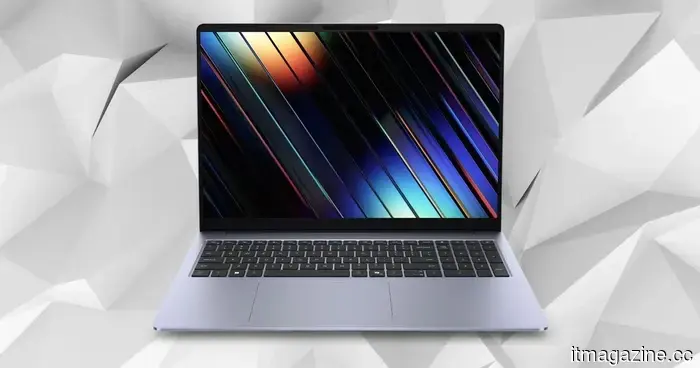 Dell broadens its AI PC range with the introduction of the new sleek Dell 14s and 16s laptops.
Dell has introduced the new 14S and 16S AI PCs featuring Intel Core Ultra processors, options for OLED displays, and extended battery life in more streamlined designs.
Dell broadens its AI PC range with the introduction of the new sleek Dell 14s and 16s laptops.
Dell has introduced the new 14S and 16S AI PCs featuring Intel Core Ultra processors, options for OLED displays, and extended battery life in more streamlined designs.
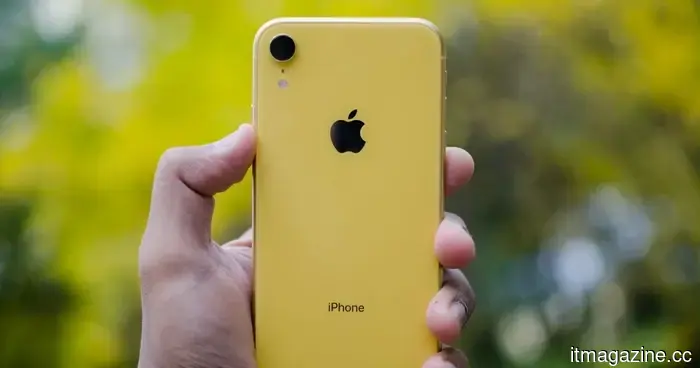 Apple should apply the Neo treatment to its upcoming iPhone 18e and I would definitely be interested.
Apple ought to evolve the iPhone 18e into a vibrant, compact, personality-centric “Neo” device rather than producing another minimalist iteration of its flagship series.
Apple should apply the Neo treatment to its upcoming iPhone 18e and I would definitely be interested.
Apple ought to evolve the iPhone 18e into a vibrant, compact, personality-centric “Neo” device rather than producing another minimalist iteration of its flagship series.
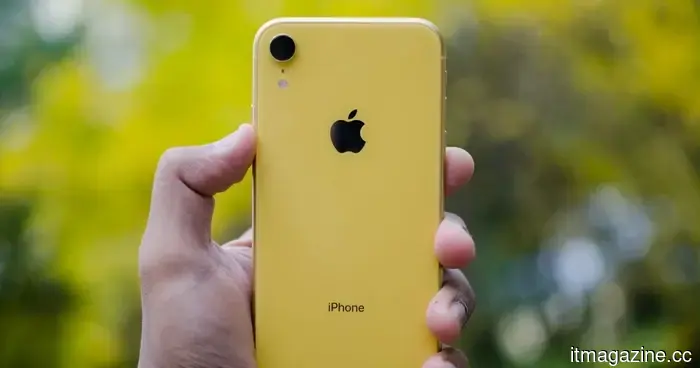 Apple should simply apply the Neo approach to its forthcoming iPhone 18e, and I'll be interested.
Apple ought to evolve the iPhone 18e into a vibrant, compact, personality-focused "Neo" device rather than producing yet another simplified variant of its flagship series.
Apple should simply apply the Neo approach to its forthcoming iPhone 18e, and I'll be interested.
Apple ought to evolve the iPhone 18e into a vibrant, compact, personality-focused "Neo" device rather than producing yet another simplified variant of its flagship series.
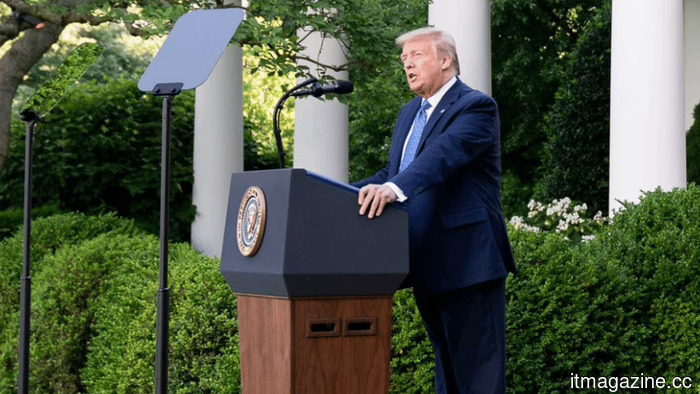 Trump departs from Beijing, indicating that he and Xi discussed AI regulations. No agreements were reached.
On Air Force One on Friday, Donald Trump stated that he and Xi Jinping talked about AI guardrails and Nvidia H200 chips during their meeting in Beijing. No agreement was reached, and the H200s for the ten approved Chinese buyers have not yet been delivered.
Trump departs from Beijing, indicating that he and Xi discussed AI regulations. No agreements were reached.
On Air Force One on Friday, Donald Trump stated that he and Xi Jinping talked about AI guardrails and Nvidia H200 chips during their meeting in Beijing. No agreement was reached, and the H200s for the ten approved Chinese buyers have not yet been delivered.
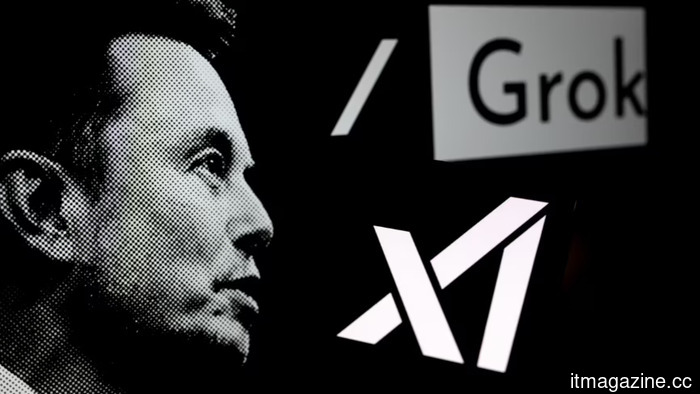 Musk's X has made a commitment to the UK regulator regarding hate speech, while the Grok investigation remains ongoing.
X has reached an agreement with Ofcom to assess illegal hate and terrorism posts within an average of 24 hours and provide quarterly reports. Additionally, a distinct investigation in the UK concerning X, which includes Grok, is still ongoing.
Musk's X has made a commitment to the UK regulator regarding hate speech, while the Grok investigation remains ongoing.
X has reached an agreement with Ofcom to assess illegal hate and terrorism posts within an average of 24 hours and provide quarterly reports. Additionally, a distinct investigation in the UK concerning X, which includes Grok, is still ongoing.
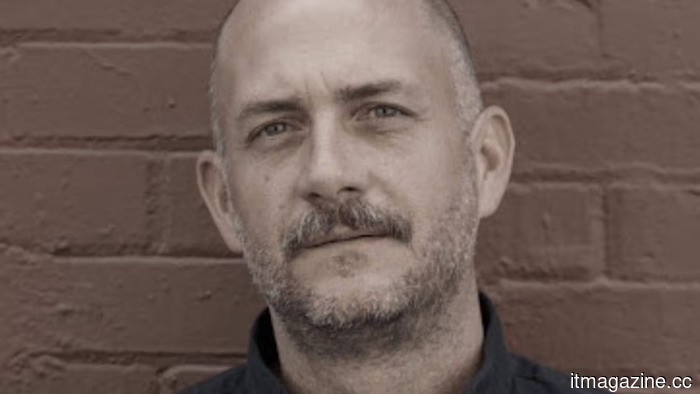 Robert Polacek from RoseBernard Studio discusses the role of AI in design and argues that it should remain in the background.
Robert Polacek, co-founder of RoseBernard Studio, discusses how artificial intelligence enhances creative productivity without substituting designers, and highlights the advantage smaller studios have in terms of agility.
Robert Polacek from RoseBernard Studio discusses the role of AI in design and argues that it should remain in the background.
Robert Polacek, co-founder of RoseBernard Studio, discusses how artificial intelligence enhances creative productivity without substituting designers, and highlights the advantage smaller studios have in terms of agility.
Robert Polacek from RoseBernard Studio discusses the reasons why AI should remain an unseen force in design.
Robert Polacek, co-founder of RoseBernard Studio, discusses how AI enhances creative productivity while still keeping designers in their roles, and highlights the competitive advantage that smaller studios possess in terms of agility.