
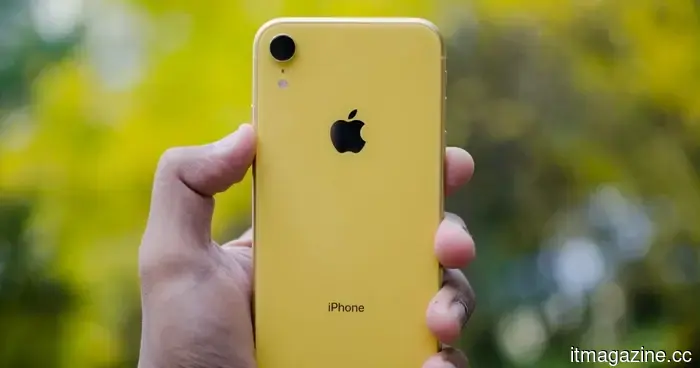
Apple should apply the Neo approach to its soon-to-be-released iPhone 18e, and I would definitely be interested.
For many years, Apple has utilized a consistent approach for its budget-friendly iPhones: take an older flagship model, strip away some premium features, slightly reduce the price, and market it as the “entry point” into its ecosystem. While this strategy is effective financially, it often lacks emotional appeal.
This is precisely why the forthcoming iPhone 18e offers a significant opportunity for Apple. Rather than categorizing it as yet another diluted flagship, Apple should fully adopt a “Neo” identity centered around color, character, experimentation, and clever hardware reuse. The company successfully executed this concept with the MacBook Neo and should replicate that model for a budget-friendly iPhone.
The focal point here is identity.
Despite Apple’s obsession with design, the company has surprisingly played it safe with the iPhone range. Modern iPhones are expertly crafted but increasingly appear and feel interchangeable. Whether in the Pro series or standard models, most phones now come in subdued tones of black, gray, silver, or dark blue, with the exception of the cosmic orange iPhone 17 Pro.
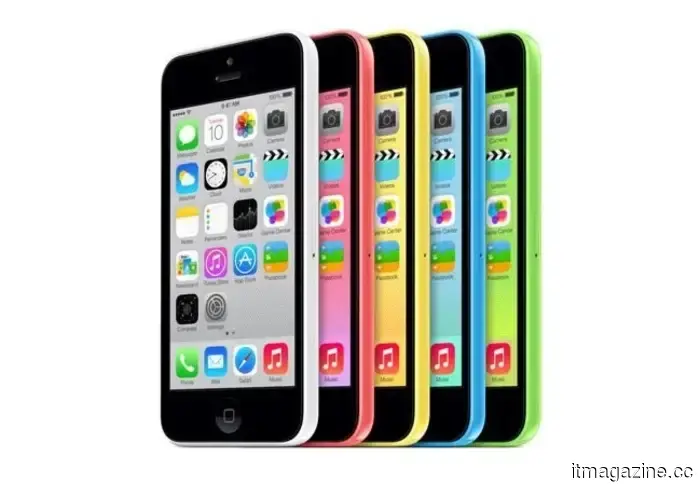
Apple once had a better grasp of the emotional impact of playful hardware. The iPhone 5c remains one of the most distinctive models Apple has produced due to its embrace of uniqueness. Launched in 2013, it featured vibrant colors like bright blue, green, yellow, pink, and white. It radiated cheerfulness and confidence in a manner that modern iPhones seldom do.
Apple should reintroduce bold finishes that differentiate the iPhone 18e from the increasingly corporate aesthetic of the Pro models. Finishes in neon orange, lime green, electric blue, lavender purple, or translucent-inspired shades would instantly infuse the device with personality.
The company already recognizes how effective this approach can be. Its colorful iMac lineup continues to garner attention for its expressiveness in a marketplace dominated by gray boxes. The smartphone industry is also evolving in ways that heighten the relevance of this strategy.
The iPhone 18e has the potential to be strategically significant, as it would enable Apple to attract younger consumers, first-time iPhone buyers, and those who prefer not to invest flagship-level money every two years. This situation may also compel Apple to adapt, given the substantial increases in memory and manufacturing costs. Some estimates suggest that future devices might see component cost hikes approaching $300, depending on configurations and sourcing.
This reality shifts everything. If manufacturing costs persist in climbing, Apple will likely need to lean more on component reuse and “binning” older parts into upcoming devices. Rather than concealing this strategy, the company ought to embrace it creatively.
The automotive industry has effectively implemented this for decades. Car manufacturers reuse older platforms, engines, and components across various models, differentiating their products through styling and positioning. Consumers typically care less about the specifics as long as the end product feels purposeful.
Make the hardware stand out without overcomplicating it?
Utilize established chipsets from previous-generation iPhones. Recycle older camera systems. Reintroduce Touch ID with a side-mounted sensor if needed. None of these concessions would matter if the phone possesses character.
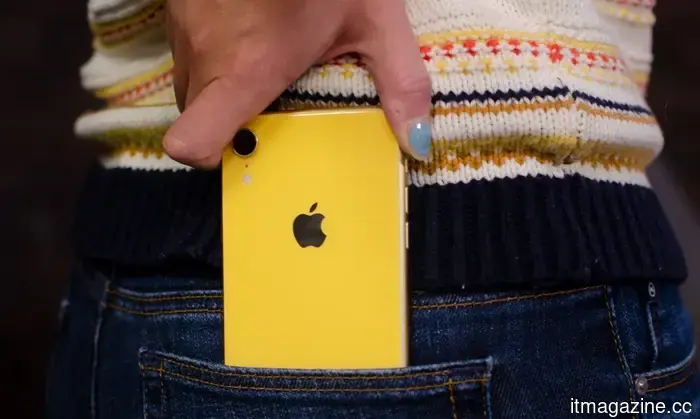
Apple could even explore physical design changes that the Pro lineup no longer allows. A slightly more compact body could help the iPhone 18e immediately stand out among today’s oversized phones.
A compact, colorful, and playful iPhone 18e priced significantly below the flagship models could provide Apple with a genuinely distinct lower-end option instead of another watered-down version.
This would make the phone memorable.
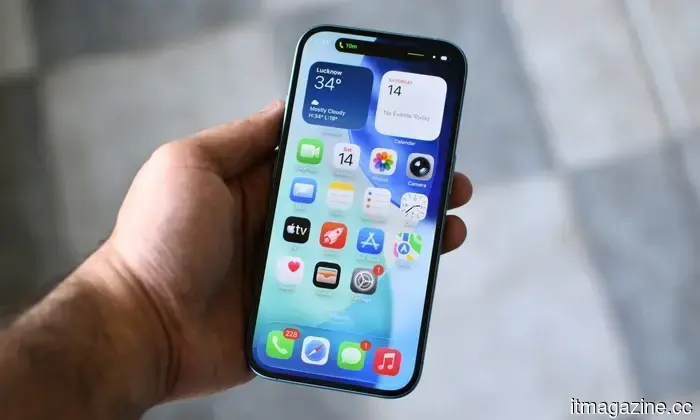
Modern iPhones increasingly struggle in this regard. Today’s models are technically remarkable but emotionally lackluster. The iPhone 18e represents Apple’s opportunity to recapture the kind of creativity that once made its products feel exciting rather than just expensive. While the iPhone 17 Pro does draw attention with its cosmic orange color, it comes with a high price tag.
What we seek is something akin to a Neo device, like the MacBook Neo. The “Neo” designation should not merely imply “cheaper,” but rather signify “new.” Right now, Apple needs that invigorating energy more than ever.
Other articles
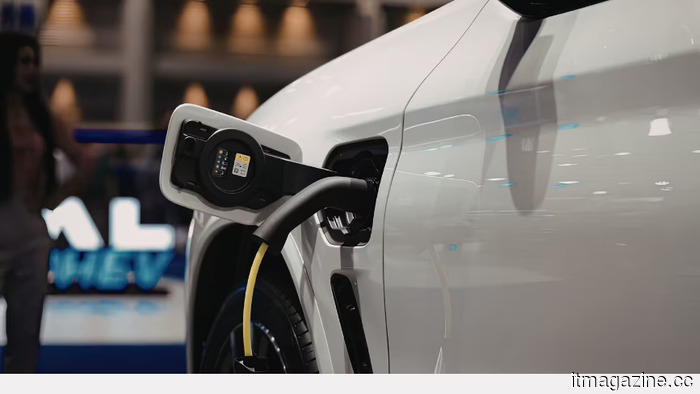 Bolt collaborates with China's Dongfeng to introduce an electric vehicle ride-hailing fleet in South Africa.
Bolt, which asserts a market share of over 50% in South Africa following a $180M investment, will provide Dongfeng's Box and 007 electric vehicles to passengers in Cape Town amid increasing fuel prices.
Bolt collaborates with China's Dongfeng to introduce an electric vehicle ride-hailing fleet in South Africa.
Bolt, which asserts a market share of over 50% in South Africa following a $180M investment, will provide Dongfeng's Box and 007 electric vehicles to passengers in Cape Town amid increasing fuel prices.
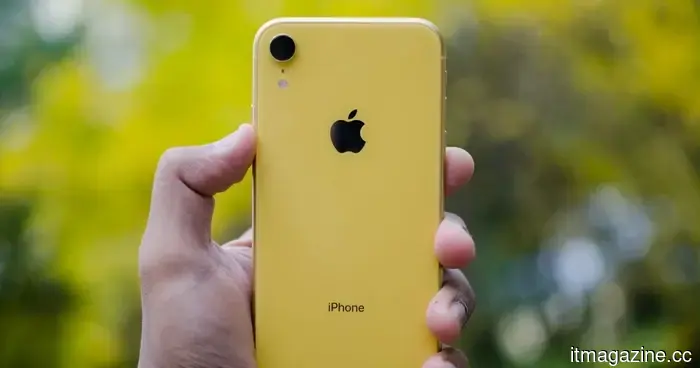 Apple should simply apply the Neo approach to its forthcoming iPhone 18e, and I'll be interested.
Apple ought to evolve the iPhone 18e into a vibrant, compact, personality-focused "Neo" device rather than producing yet another simplified variant of its flagship series.
Apple should simply apply the Neo approach to its forthcoming iPhone 18e, and I'll be interested.
Apple ought to evolve the iPhone 18e into a vibrant, compact, personality-focused "Neo" device rather than producing yet another simplified variant of its flagship series.
 AI-driven cryptocurrency hacks siphon off $600 million from DeFi as North Korea takes advantage of the increase.
Two hacks in April resulted in North Korea-affiliated groups securing $600 million from Drift Protocol and Kelp DAO. Analysts indicate that AI played a role in hastening the attacks. Aave experienced a loss of $9 billion in deposits over the course of two days.
AI-driven cryptocurrency hacks siphon off $600 million from DeFi as North Korea takes advantage of the increase.
Two hacks in April resulted in North Korea-affiliated groups securing $600 million from Drift Protocol and Kelp DAO. Analysts indicate that AI played a role in hastening the attacks. Aave experienced a loss of $9 billion in deposits over the course of two days.
 The Winklevoss twins paid 2.5 times the share price to get Gemini off the ground.
Gemini Space Station's shares increased in premarket trading following Winklevoss Capital's acquisition of 7.1 million new Class A shares for $100 million in bitcoin, at 2.5 times the market value, along with exceeding Q1 expectations.
The Winklevoss twins paid 2.5 times the share price to get Gemini off the ground.
Gemini Space Station's shares increased in premarket trading following Winklevoss Capital's acquisition of 7.1 million new Class A shares for $100 million in bitcoin, at 2.5 times the market value, along with exceeding Q1 expectations.
 Apple ought to apply the Neo treatment to its soon-to-be-released iPhone 18e, and I would definitely be interested.
Apple ought to develop the iPhone 18e into a vibrant, compact, personality-focused "Neo" device rather than just another simplified version of its flagship series.
Apple ought to apply the Neo treatment to its soon-to-be-released iPhone 18e, and I would definitely be interested.
Apple ought to develop the iPhone 18e into a vibrant, compact, personality-focused "Neo" device rather than just another simplified version of its flagship series.
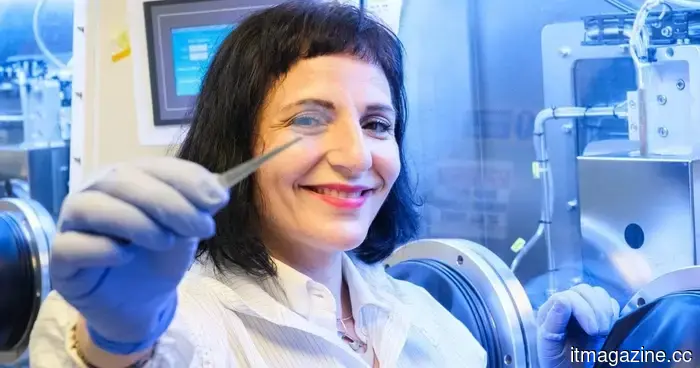 Ultra-slim transparent solar panels offer the potential for invisible charging solutions for wearables, vehicles, and residential spaces.
Researchers at NTU have created ultra-thin transparent solar cells that have the potential to transform windows, vehicle glass, and wearable devices into sources of clean energy while maintaining their appearance.
Ultra-slim transparent solar panels offer the potential for invisible charging solutions for wearables, vehicles, and residential spaces.
Researchers at NTU have created ultra-thin transparent solar cells that have the potential to transform windows, vehicle glass, and wearable devices into sources of clean energy while maintaining their appearance.
Apple should apply the Neo approach to its soon-to-be-released iPhone 18e, and I would definitely be interested.
Apple ought to reshape the iPhone 18e into a vibrant, compact, and personality-focused "Neo" device rather than producing yet another simplified version of its flagship series.