

Apple ought to apply the Neo treatment to its soon-to-be-released iPhone 18e, and I would definitely be interested.
For years, Apple has followed a consistent strategy for its budget iPhones: take an older flagship design, strip away a few premium features, drop the price slightly, and market it as the “entry-level” option in the ecosystem. This plan works financially, but emotionally, it often falls short.
This is precisely why the forthcoming iPhone 18e is a significant opportunity for Apple. Rather than treating it as another diluted flagship, Apple should fully adopt a “Neo” identity, characterized by color, personality, experimentation, and smart hardware reuse. Apple has already executed this concept successfully with the MacBook Neo, and it should apply that model to an affordable iPhone.
The key term here is identity.
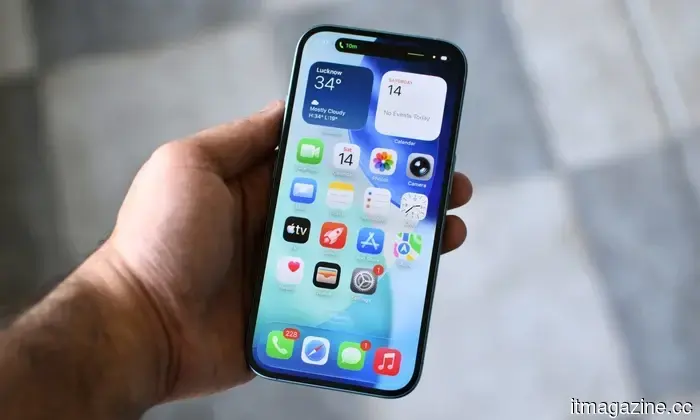
Despite Apple's deep focus on design, the company has surprisingly become quite conservative with its iPhone range. While modern iPhones are expertly crafted, they increasingly appear and feel interchangeable. Whether in the Pro series or standard models, most devices are now available in muted tones of black, gray, silver, or dark blue—with the exception of the cosmic orange iPhone 17 Pro.
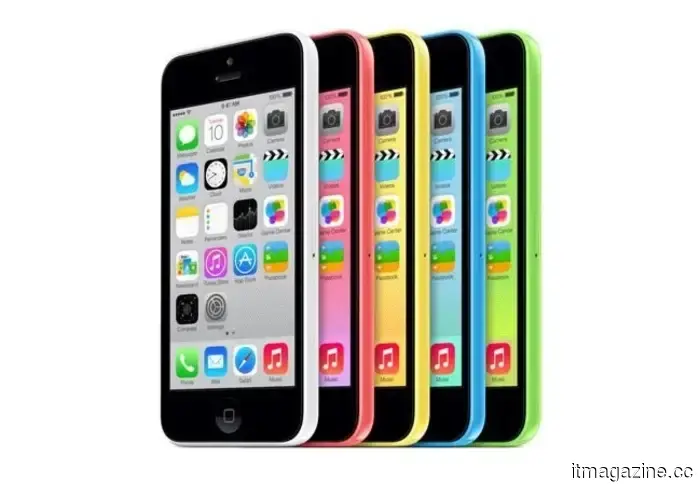
Apple once had a much better grasp of the emotional resonance of playful hardware. The iPhone 5c remains one of its most distinctive models because it embraced uniqueness. Launched in 2013, the 5c was offered in vibrant hues of blue, green, yellow, pink, and white. It exuded cheerfulness and approachability, displaying a visual confidence that modern iPhones lack.
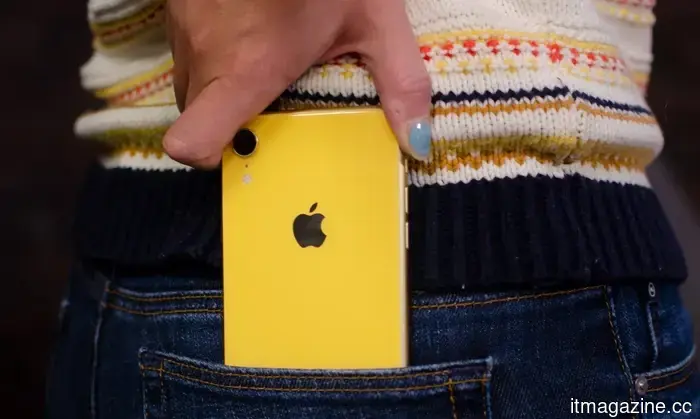
Apple should revive bold finishes that would clearly distinguish the iPhone 18e from the increasingly corporate-looking Pro models. Colors like neon orange, lime green, electric blue, lavender purple, or translucent-inspired finishes would give the device immediate personality.
The company is already aware of how effective this approach can be. Its colorful iMac lineup garners attention precisely for being expressive in a market filled with gray devices. The smartphone market is also evolving in ways that make this strategy even more critical.
The iPhone 18e could be strategically vital, allowing Apple to attract younger consumers, first-time iPhone buyers, and those who no longer wish to spend flagship prices every couple of years. The timing may necessitate this shift as well. Apple is currently facing significantly higher memory and manufacturing costs, with projections suggesting component price hikes could approach $300 for future devices, depending on configurations and sourcing.
This reality changes the landscape completely. If manufacturing expenses keep rising, Apple will likely need to depend more on component reuse and "binning" older parts into new devices. Instead of concealing this strategy, the company should embrace it creatively.
The automotive sector has practiced this for decades, reusing older platforms, engines, and components across various models while differentiating products through design and positioning. Consumers typically do not mind as long as the final product feels intentional.
Make the hardware standout without overcomplicating it?
Utilize proven chipsets from previous-generation iPhones. Recycle older camera systems. Reintroduce Touch ID through a side-mounted sensor if needed. None of these adjustments would be detrimental if the phone has character.
Apple could even play with physical design in ways the Pro lineup no longer permits. A slightly more compact body could immediately differentiate the iPhone 18e in a market filled with bulky phones.
A compact, colorful, and playful iPhone 18e, priced significantly below the flagship models, could finally offer Apple a truly unique lower-end device instead of another compromised version.
This approach would make the phone memorable.
That’s an aspect where modern iPhones increasingly falter. Today’s models are technically impressive but emotionally lackluster. The iPhone 18e offers Apple an opportunity to recapture the sort of creativity that once made its products feel exciting rather than merely costly. Yes, the iPhone 17 Pro stands out in its cosmic orange hue, but it's expensive.
What we desire is something akin to a Neo device, similar to the MacBook Neo. The “Neo” designation should not only imply “cheaper,” but also signify newness. Right now, Apple needs that vibrant energy more than ever.
Other articles
 Ultra-slim transparent solar panels offer the potential for discreet charging of wearables, vehicles, and residential spaces.
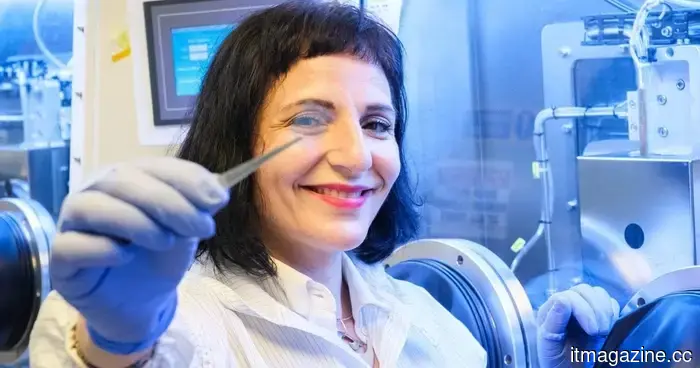
Researchers at NTU have created ultra-thin transparent solar cells that have the potential to transform windows, vehicle glass, and wearables into clean energy sources while maintaining their appearance.
Ultra-slim transparent solar panels offer the potential for discreet charging of wearables, vehicles, and residential spaces.
Researchers at NTU have created ultra-thin transparent solar cells that have the potential to transform windows, vehicle glass, and wearables into clean energy sources while maintaining their appearance.
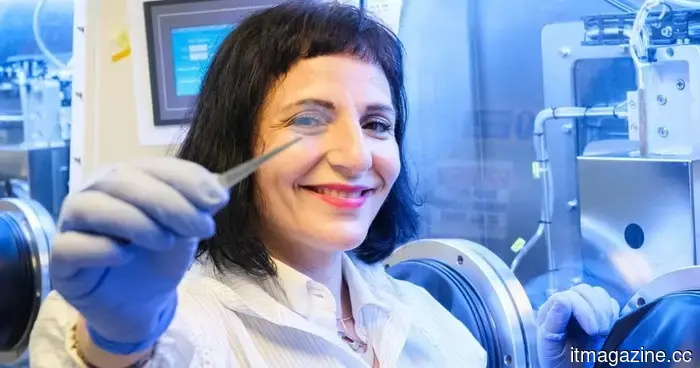 Ultra-slim transparent solar panels offer the potential for invisible charging solutions for wearable devices, vehicles, and residential spaces.
Researchers at NTU have created ultra-thin transparent solar cells that have the potential to convert windows, vehicle glass, and wearable devices into sources of clean energy without altering their appearance.
Ultra-slim transparent solar panels offer the potential for invisible charging solutions for wearable devices, vehicles, and residential spaces.
Researchers at NTU have created ultra-thin transparent solar cells that have the potential to convert windows, vehicle glass, and wearable devices into sources of clean energy without altering their appearance.
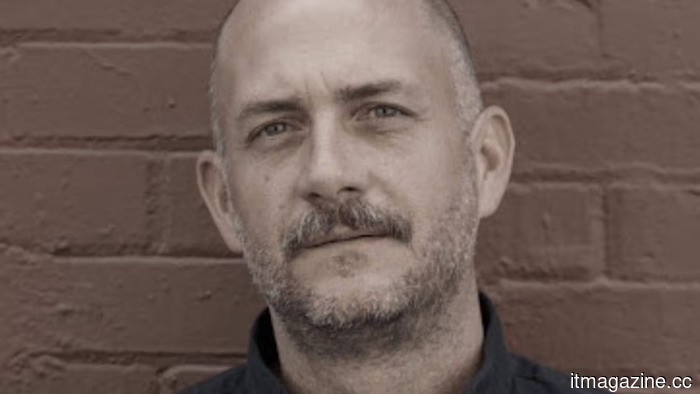 Robert Polacek from RoseBernard Studio discusses the role of AI in design and argues that it should remain in the background.
Robert Polacek, co-founder of RoseBernard Studio, discusses how artificial intelligence enhances creative productivity without substituting designers, and highlights the advantage smaller studios have in terms of agility.
Robert Polacek from RoseBernard Studio discusses the role of AI in design and argues that it should remain in the background.
Robert Polacek, co-founder of RoseBernard Studio, discusses how artificial intelligence enhances creative productivity without substituting designers, and highlights the advantage smaller studios have in terms of agility.
 The Winklevoss twins invested 2.5 times the share price to get Gemini up and running.
Shares of Gemini Space Station saw a rise in premarket trading following Winklevoss Capital's purchase of 7.1 million new Class A shares for $100 million in bitcoin, priced at 2.5 times the market rate, in addition to a strong performance in Q1.
The Winklevoss twins invested 2.5 times the share price to get Gemini up and running.
Shares of Gemini Space Station saw a rise in premarket trading following Winklevoss Capital's purchase of 7.1 million new Class A shares for $100 million in bitcoin, priced at 2.5 times the market rate, in addition to a strong performance in Q1.
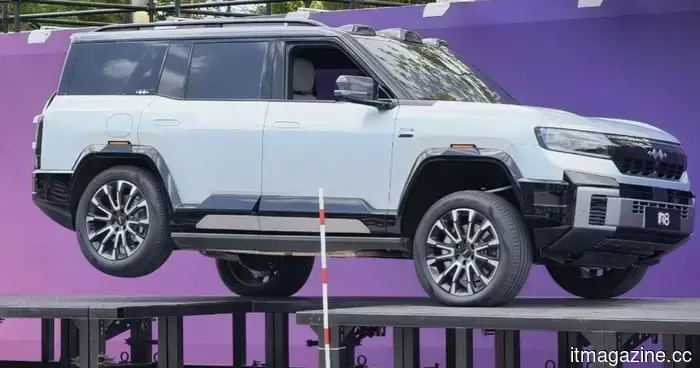 After excelling in range and charging capabilities, Chinese EV brands showcase three-wheel driving features in their SUVs.
Chinese electric vehicle brands are making active suspension their next highlight for SUVs, with BYD, Aito, and Li Auto showcasing three-wheel driving demonstrations that may assist with tire changes, recovery, and traversing rough terrain.
After excelling in range and charging capabilities, Chinese EV brands showcase three-wheel driving features in their SUVs.
Chinese electric vehicle brands are making active suspension their next highlight for SUVs, with BYD, Aito, and Li Auto showcasing three-wheel driving demonstrations that may assist with tire changes, recovery, and traversing rough terrain.
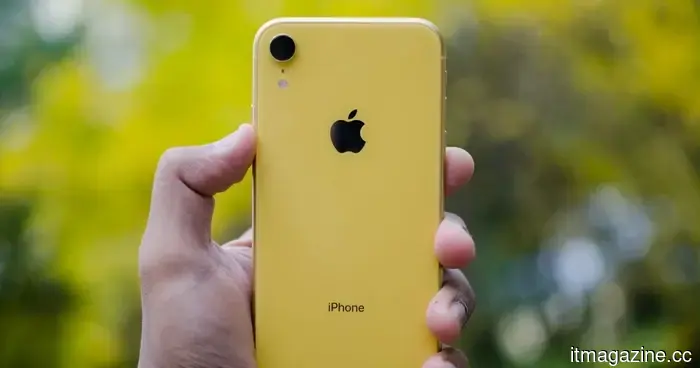 Apple should simply apply the Neo approach to its forthcoming iPhone 18e, and I'll be interested.
Apple ought to evolve the iPhone 18e into a vibrant, compact, personality-focused "Neo" device rather than producing yet another simplified variant of its flagship series.
Apple should simply apply the Neo approach to its forthcoming iPhone 18e, and I'll be interested.
Apple ought to evolve the iPhone 18e into a vibrant, compact, personality-focused "Neo" device rather than producing yet another simplified variant of its flagship series.
Apple ought to apply the Neo treatment to its soon-to-be-released iPhone 18e, and I would definitely be interested.
Apple ought to develop the iPhone 18e into a vibrant, compact, personality-focused "Neo" device rather than just another simplified version of its flagship series.